Stage 21: Lleida – Castellnou de Seana (32.8 km)

We sang the Pilgrim Song outside the Hotel Transit in Lleida.

 
May the blessing of God be upon us,
The Blessing of the Father and the Son.
May the Spirit of God, the Spirit of Peace,
Be with us all our days.

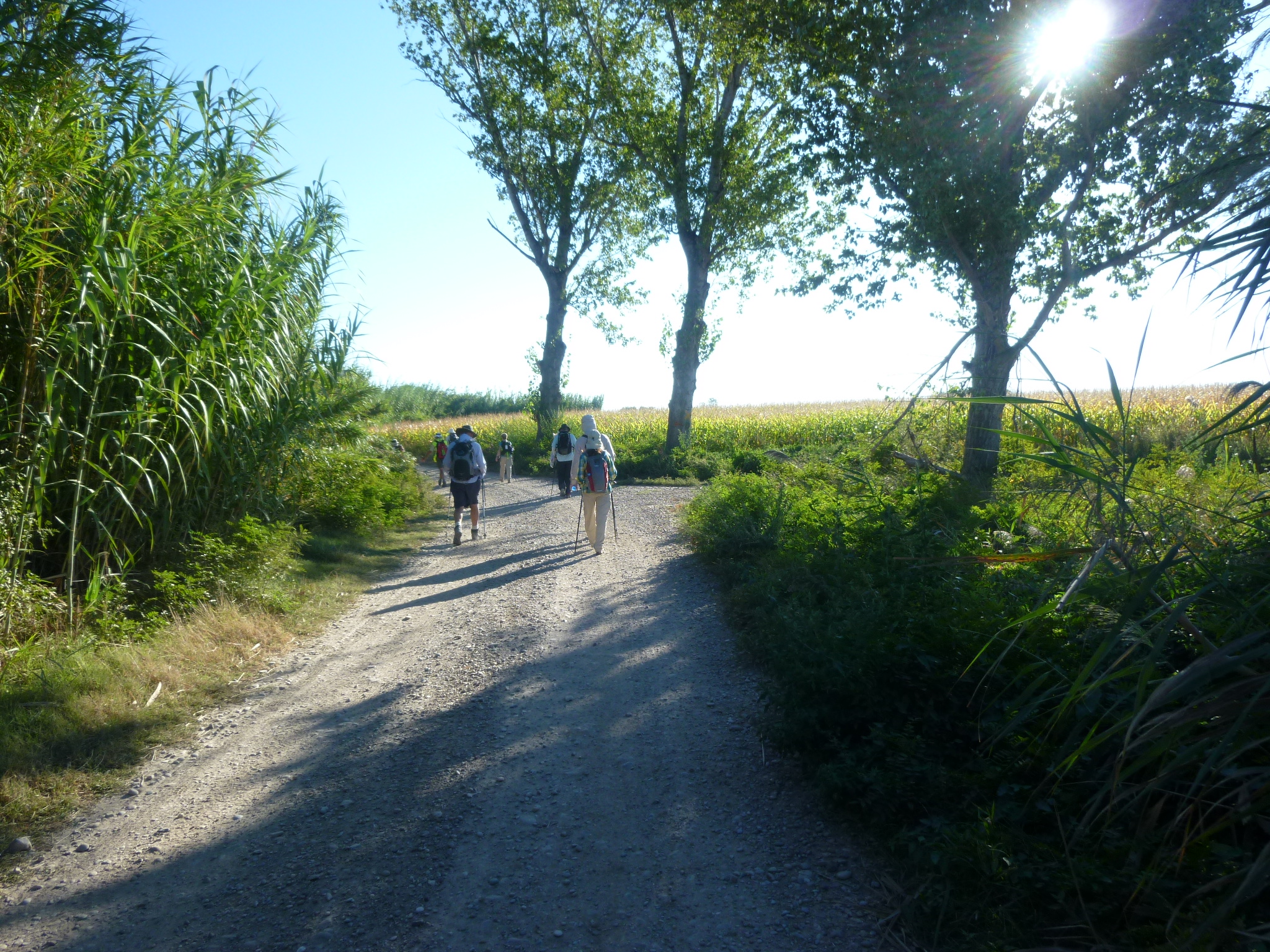
We departed Lleida just after 8.00am and continued our pilgrimage towards Manresa. There are only six days left.  We left behind the big city of Lleida and entered into the countryside once more.
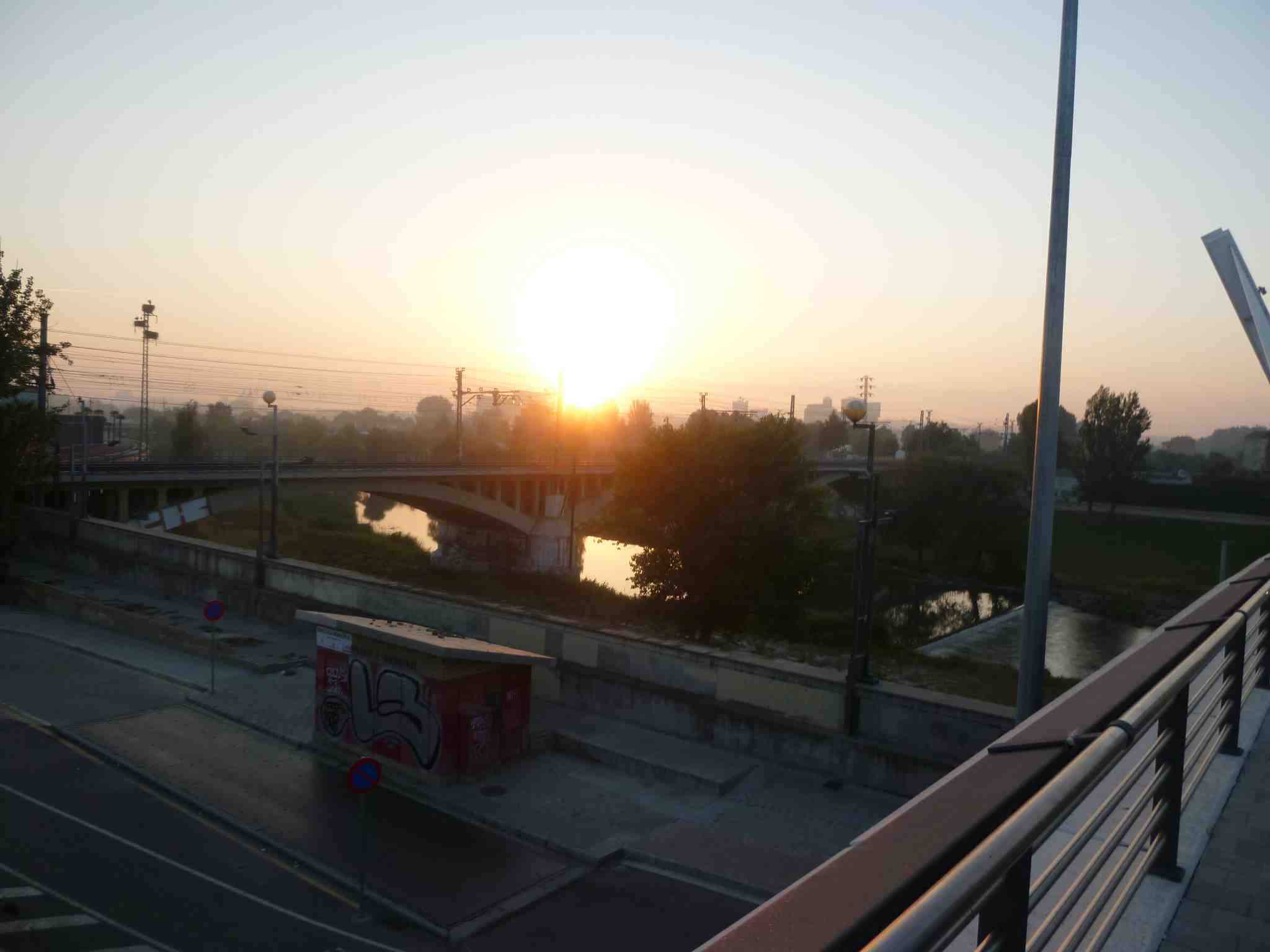
The sun rising over Lleida

The sun rising over Lleida

Modern footbridge over the river in Lleida
Modern footbridge over the river in Lleida

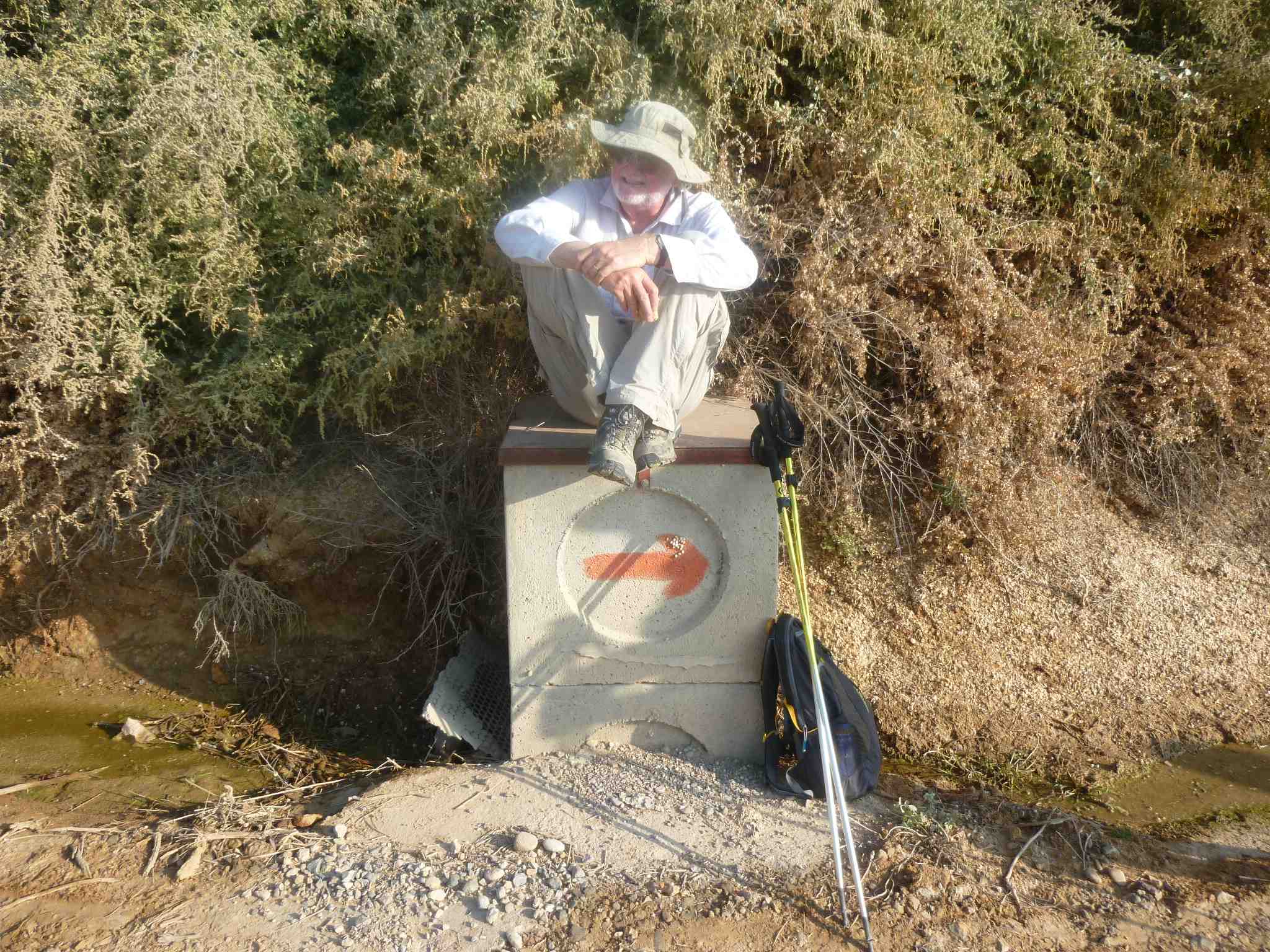
Vin Dillon taking a break (notice the orange arrow which marks the Ignatian Camino)

Vin Dillon taking a break (notice the orange arrow which marks the Ignatian Camino)

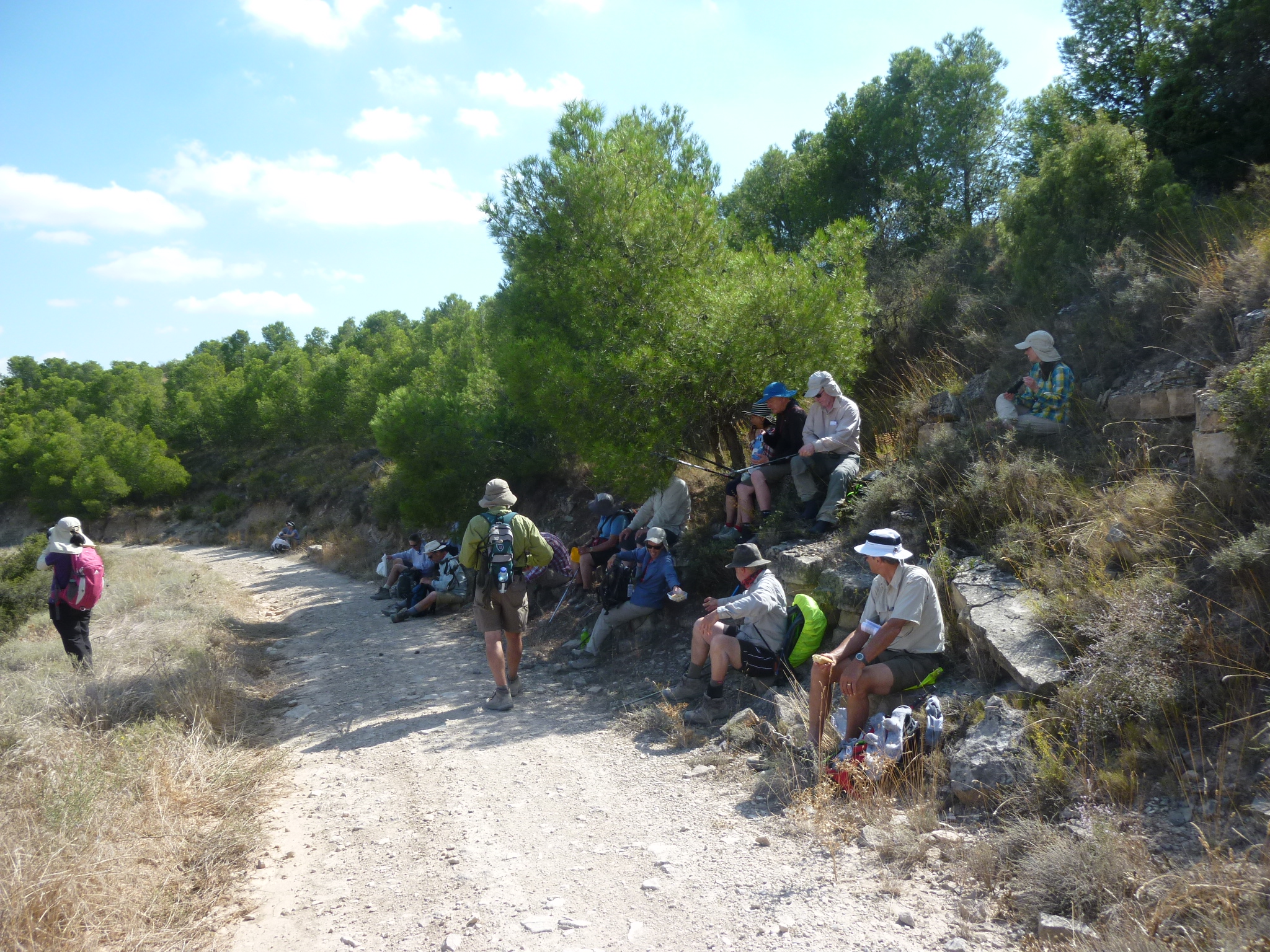
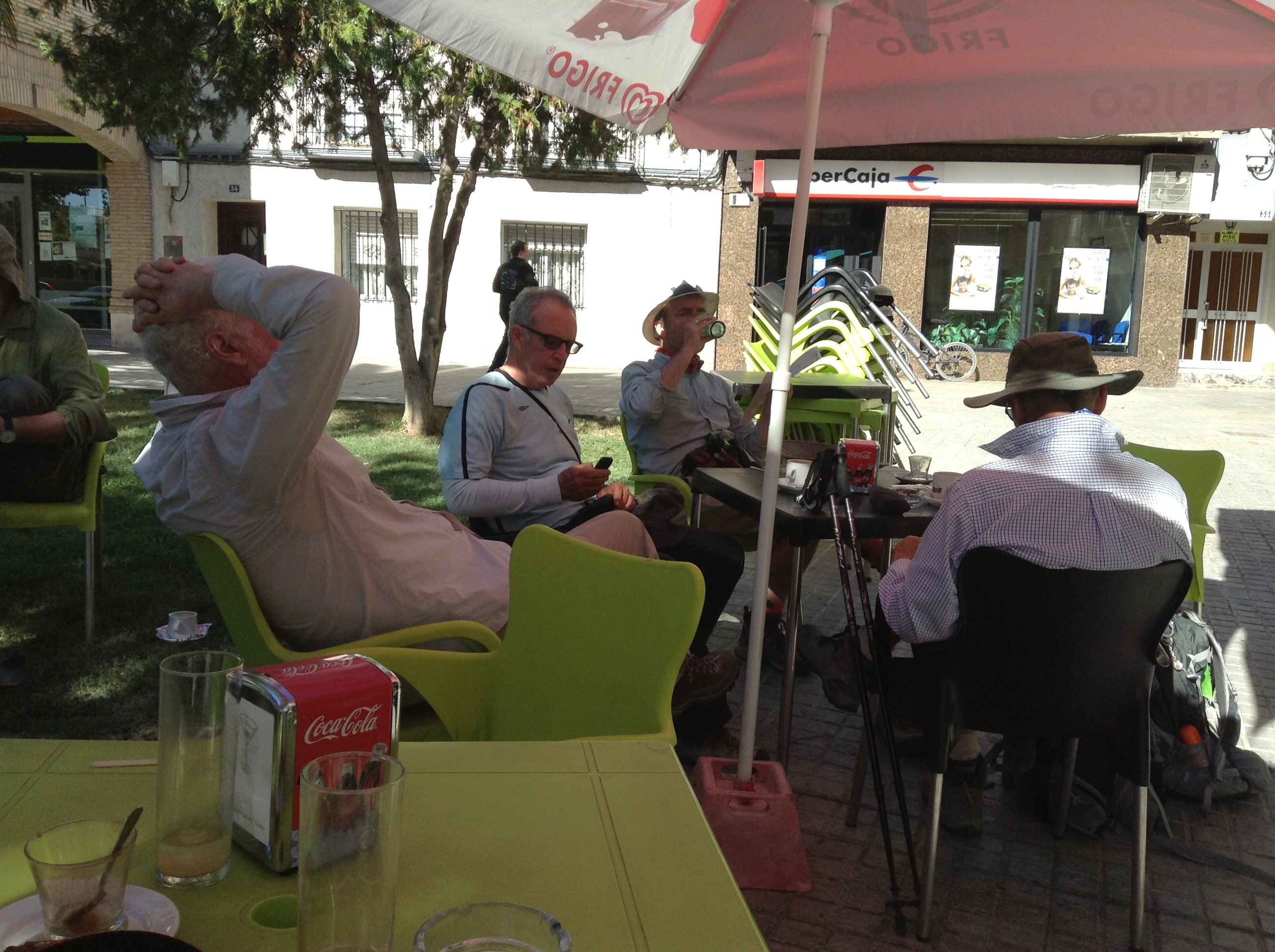
Today was very hot, at least 33°C. We stopped for lunch in a small village called El Palau d’Anglesola at 2.00pm.
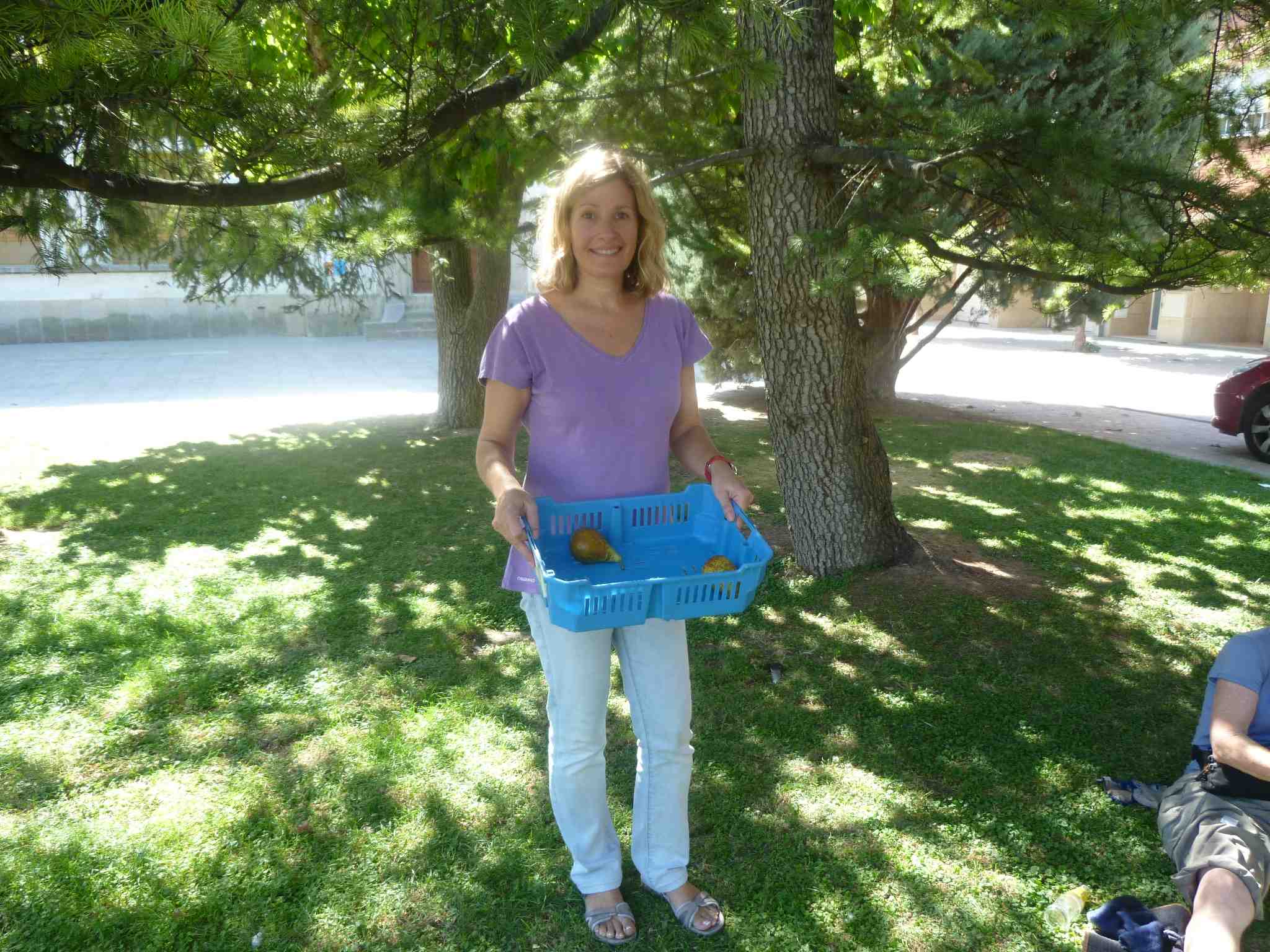
A local woman offered us delicious apples and peaches at lunch

A local woman offered us apples and peaches at lunch

Helen and Tracy interacting with the local school children

Helen and Tracy interacting with the local school children

I soaked my feet in the cool water of the municipal fountain

Soaking my feet in the cool water of the municipal fountain

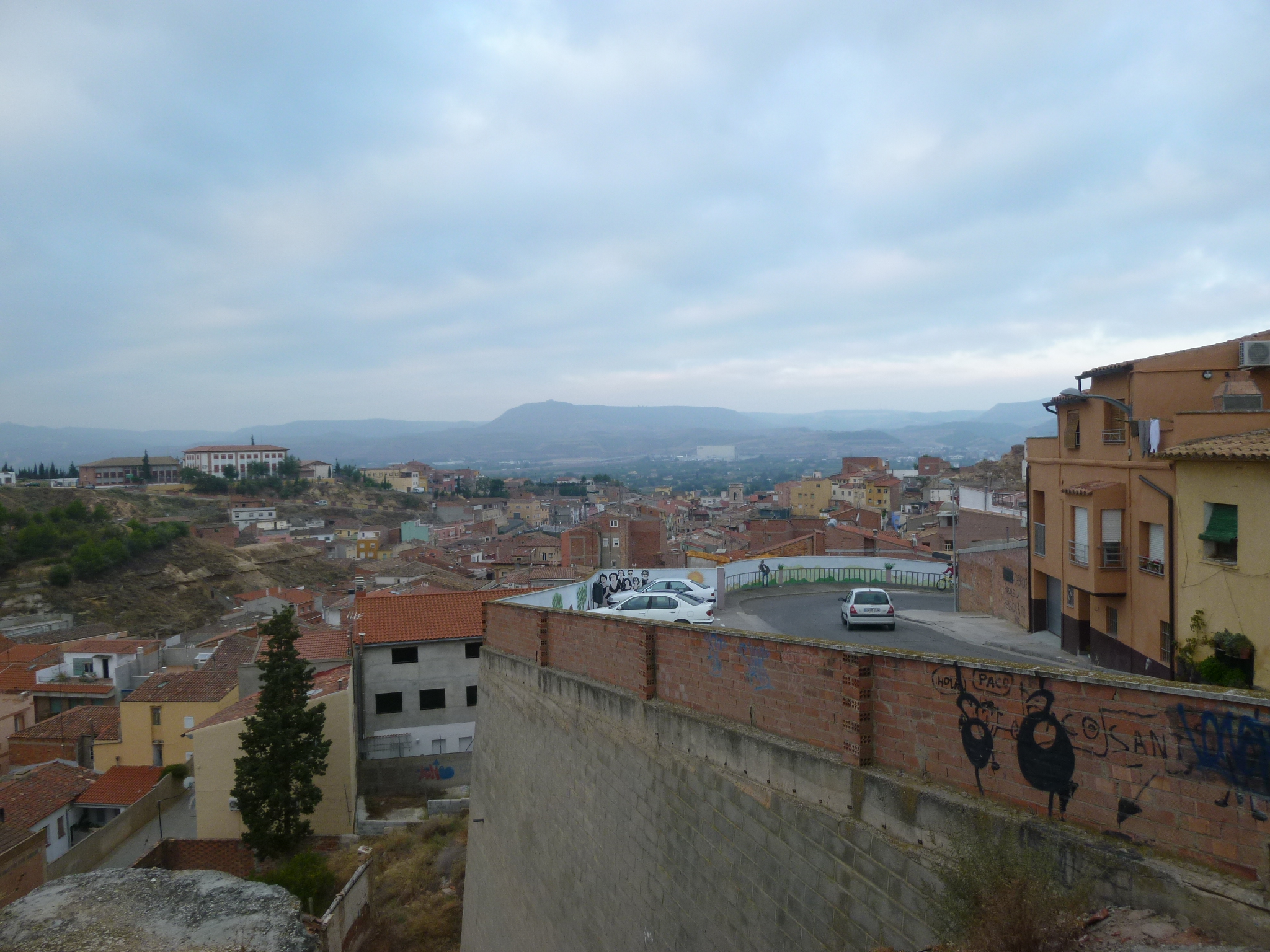
Following the footsteps of St. Ignatius, our destination was Castellnou de Seana, a small village with a 12th century church dedicated to St. John the Baptist.
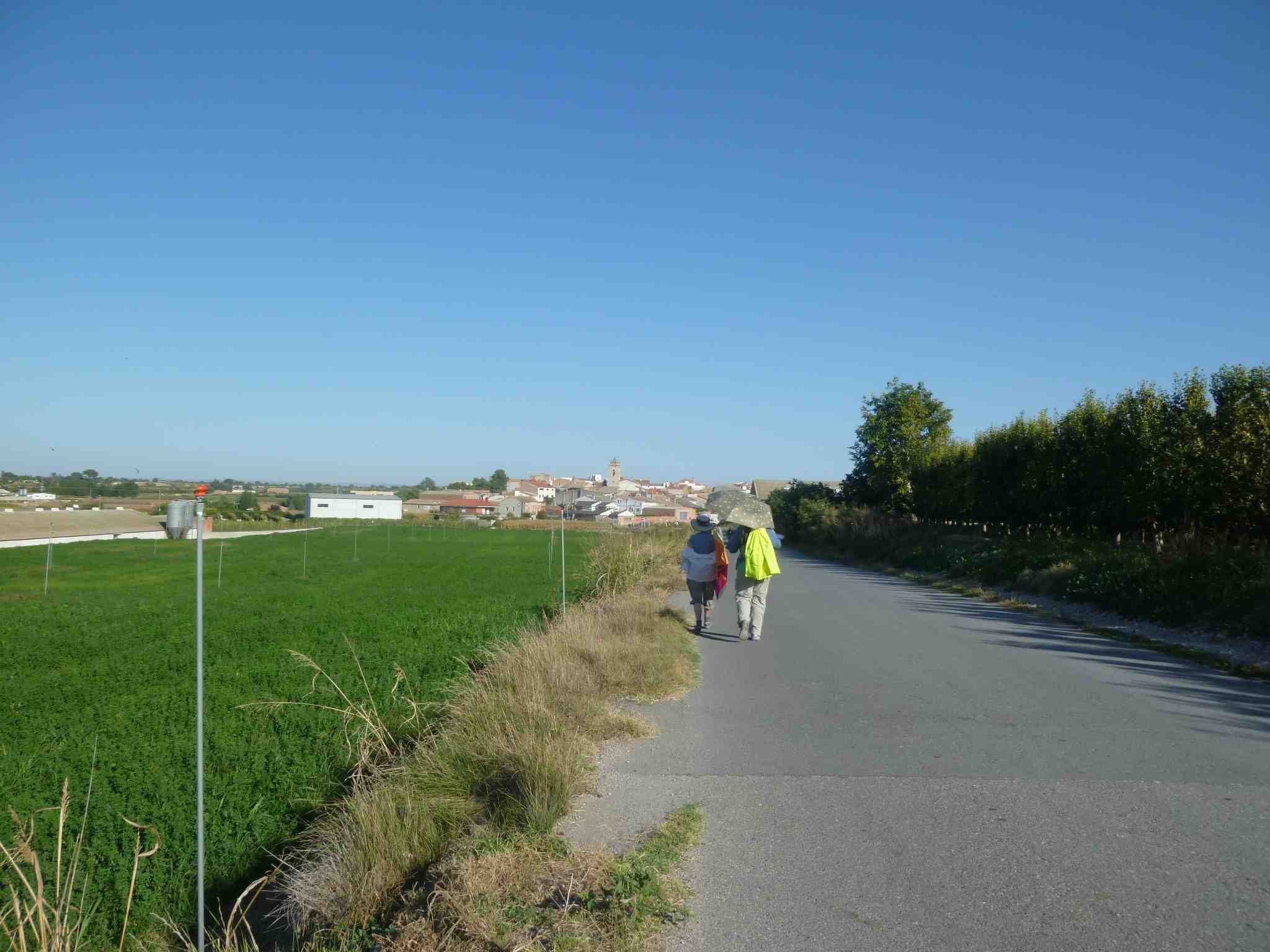
The end is in sight — the small village of Castellnou de Seana

The end is in sight — the village of Castellnou de Seana

Once the group arrived in Castellnou de Seanu, a bus took us to the  Hotel Pintor Marsà in Tarrega where we will stay for the next three nights. It is a small and charming family-run hotel renowned for its hospitality, wonderful local cuisine and elegantly appointed guestrooms decorated in a classic style.

 With a population of more than 10,000 inhabitants, and the capital of Urgell region, Tàrrega is renowned for its international Street Theatre Fair, held in early September each year.


Prayer: In these last six days of our pilgrimage we are in the “fourth week” of the Spiritual Exercises where we are one with Christ in his resurrection.

Grace: I ask the Father for this gift: to enter fully into the joy of the risen and victorious Christ. To be able to grasp the fullness of life that Jesus has achieved for us. To rejoice deeply with Christ, with Mary, and all his disciples.

Reflections: Today and in the days to follow, Ignatius invites us to “ask for the grace to be glad and to rejoice intensely because of the great glory and joy of Christ our Lord” who is risen from the dead.

If Good Friday draws me into the mystery that Jesus died for me, then Easter Sunday invites me to consider what his rising from the dead means for me.  The question is: Has Jesus risen for me?

What is the resurrection?  The resurrection is not revivification.  We know that after Jesus raised Lazarus from the dead, he went back to living with his sisters Martha and Mary as he had before. That is revivification. When Jesus is raised from the dead his disciples do not recognize him at first. Then slowly they come to be aware of his presence with them. The meaning of the resurrection is that you and I can recognise and experience Jesus with us now.

Can the resurrection of Jesus be ‘proved’?  One of the ‘proofs’ for the resurrection is the change that took place in the followers of Jesus.  After Jesus was executed his disciples were devastated and fearful. Then something happened and they became full of joy and courage.  They went out and told the world that Jesus had risen from the dead. Many died courageously for their beliefs. Their explanation was that they had seen Jesus alive.  We pray that we too will experience that Jesus is alive and that we will be filled with joy and courage as we continue on our way to Manresa.

Rest Day in Lleida

Today was a very welcome rest day in Lleida. I must admit that I had never heard of Lleida before I came on the Ignatian Camino. It is a wonderful city. I slept in, had a late breakfast, did my washing and caught up with emails before exploring the city.

Clothing drying outside our window in the hotel

Clothing drying outside our window in the hotel

Lleida is an important regional centre within the region of Cataluña and famous for its agricultural produce and textile industry. Of Iberian origins, the city (which was well known to the Romans who named it Ilerda) was under Muslim rule for four centuries.  It was later conquered by Count Ramon Berenguer in the middle of the twelfth century.

I walked down into the centre of town at midday and had an excellent hamburger with the lot before walking up to the Cathedral of St. Mary of La Seu Vella. After exploring the Cathedral, I spent an hour there praying.

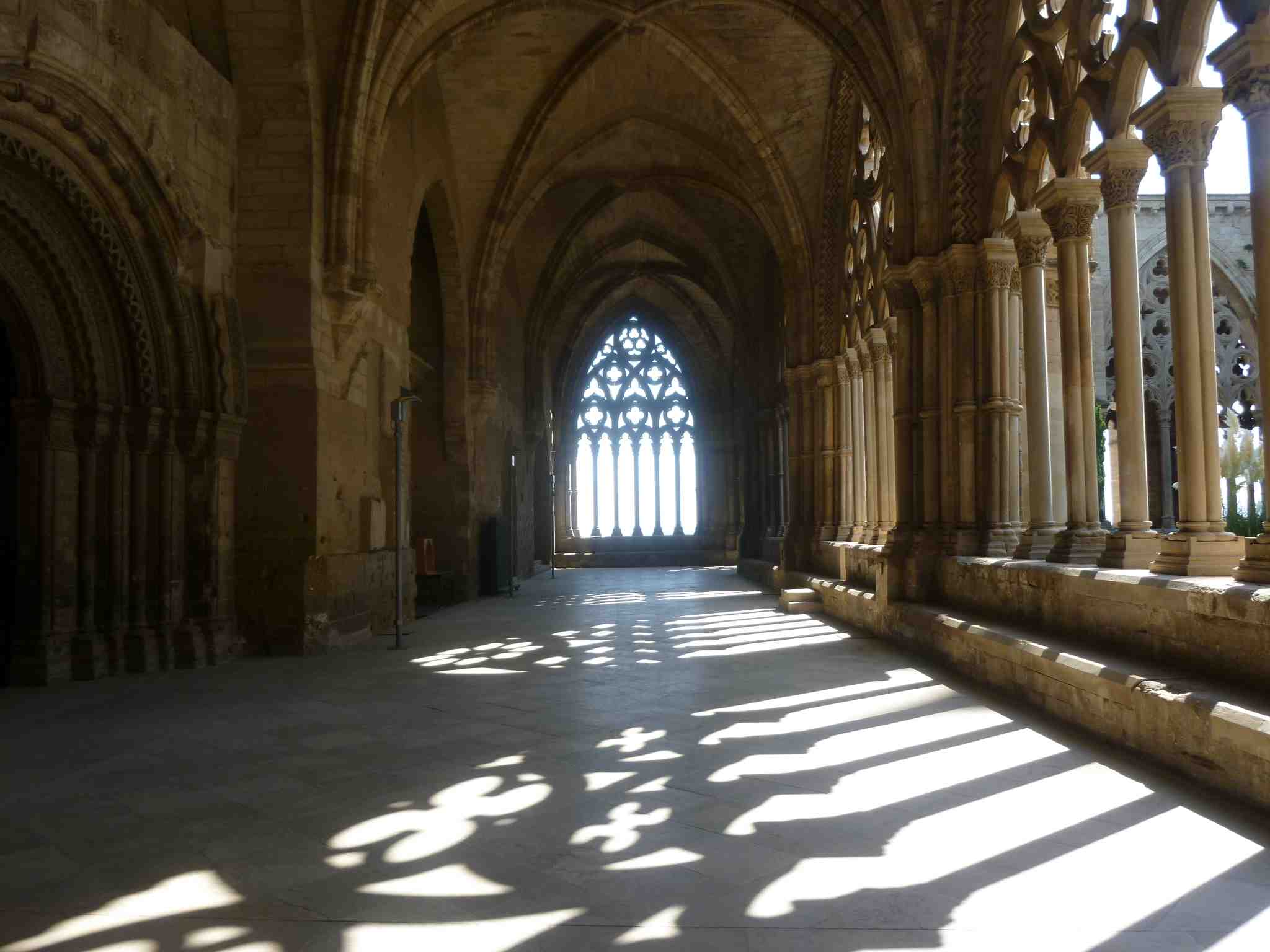
The cloister at Seu Vella

The cloister at Seu Vella

Stage 20: Fraga – Lleida (37 km)

I awoke this morning — my 60th birthday — feeling quite apprehensive at the 37 km walk that was ahead. My anxiety was not unfounded. In the afternoon the temperature reached 33°C and there was little shade for about an hour as we walked after lunch. We started walking at 8.10am and we staggered footsore and weary into the Hotel Catalonia Transit in Lleida at 6.20pm.  From the door of the Hotel Casanova in Fraga to the  door of the Hotel Catalonia Transit in Lleida was exactly 37 km according to the GPS.

Looking back over Fraga early in the morning

Looking back over Fraga early in the morning

Sandra helps Helen with her blisters

Sandra helps Helen with her blisters

Michael Bertie and Michael Smith celebrate reaching the 500 km mark

Michael Bertie and Michael Smith celebrate reaching the 500 km mark. 150 km to go.

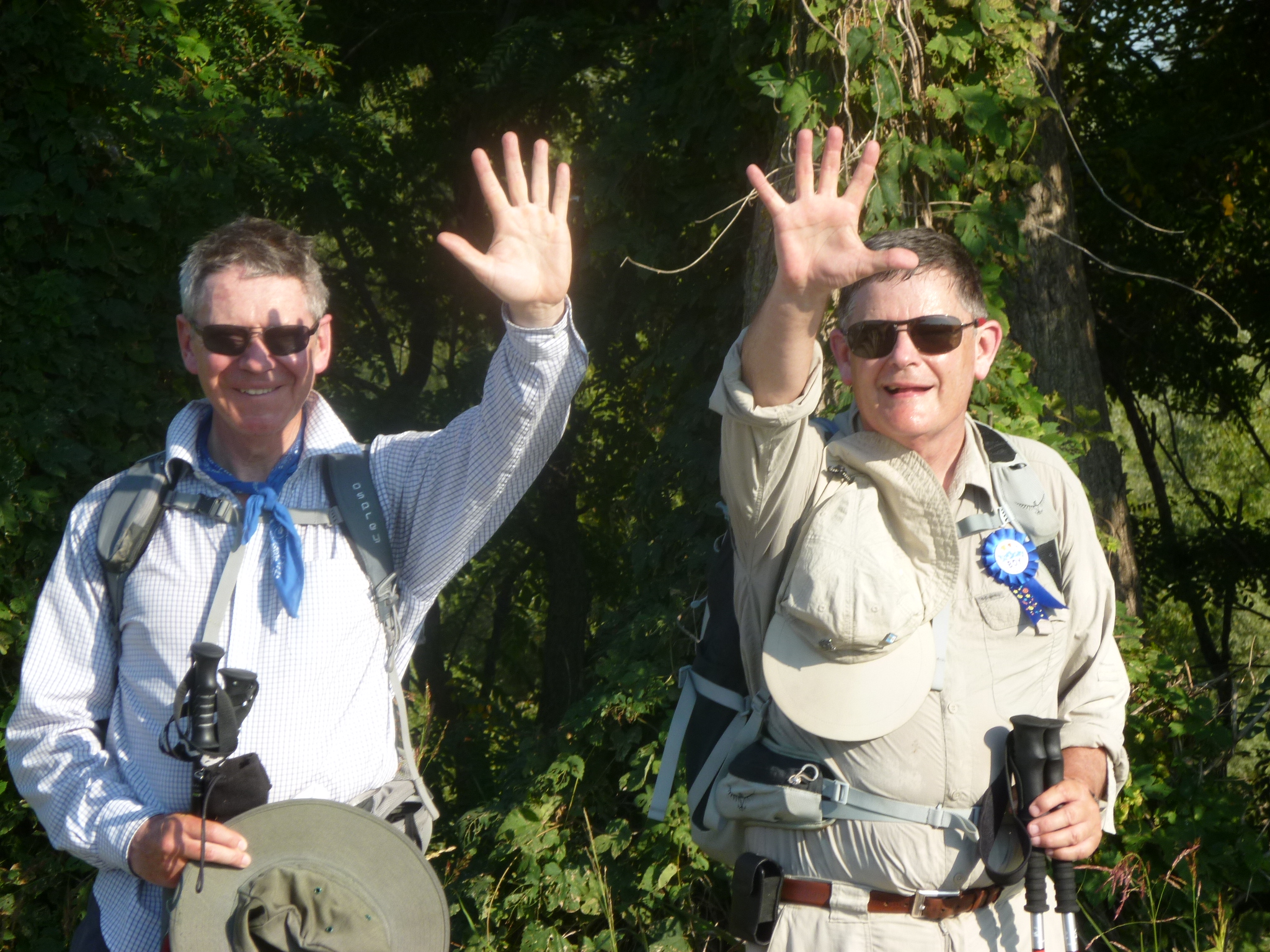
Fr Michael Smith SJ (wearing the "Birthday Boy" rosett) and Fr John Fitzgerald

Fr Michael Smith SJ (wearing the “Birthday Boy” rosett) and Fr John Fitzgerald

For part of the morning we followed a long stretch of the Ignatian Camino along a service road of the busy N-II highway. It was not pleasant walking with cars speeding by at 120 km/hour which is the speed limit here. It felt unsafe although we are very careful to walk in single file when we are walking on a highway, and we call out “Car up” when there is a car coming from the front, and “Car back” when a car is coming from behind the group.

Boots. After lunch I changed my boots as my new pair were causing me some pain in the balls of my feet. So I reverted to my old boots — the boots which I wore in May-June 2011 when I walked the Camino Frances. I carried the old pair in my day pack and because they are wide fitting I thought that they would be more comfortable. However, after about 20 minutes in my old boots I began to get the pain in my shins again and I could tell that if I kept wearing them I would re-injure myself. So I took them off and went back to the wearing the new pair. My learning was that my old boots, which had lost their cushioning, were the cause of my shin splints. So, the secret is to make sure you have new boots that are worn in, but have not lost their cushioning. On the next stage of the Ignatian Camino I am going to have a small ritual of disposing of my old boots which have served me well.

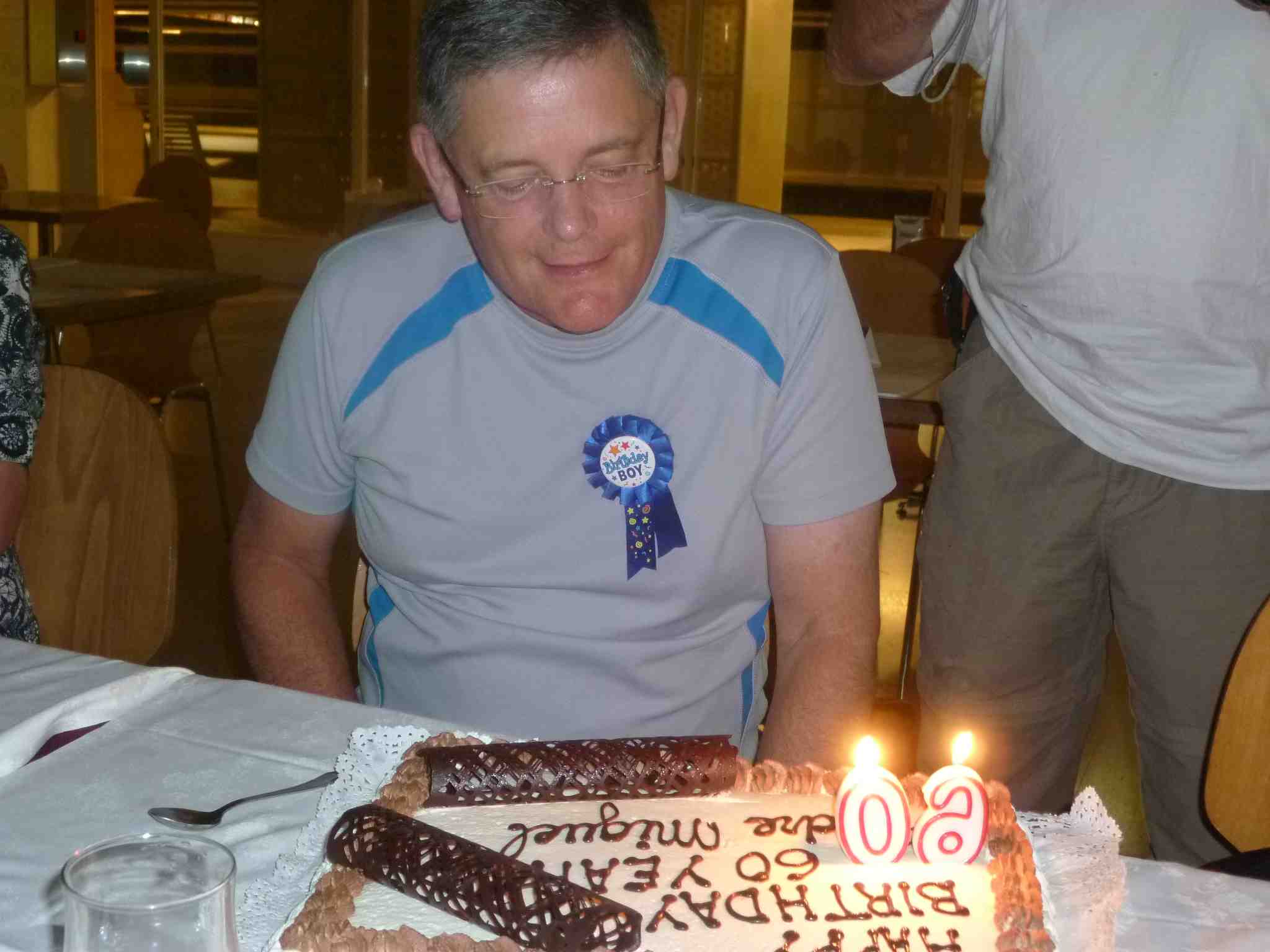
We followed the River Segre into Lleida. The Hotel Catalonia Transit in Lleida is at the train station. From the dining room you can see the fast rains glide into the station. I doubt that I will forget my 60th birthday. In the evening at dinner we had a birthday cake:

About to blow out the candles

About to blow out the candles

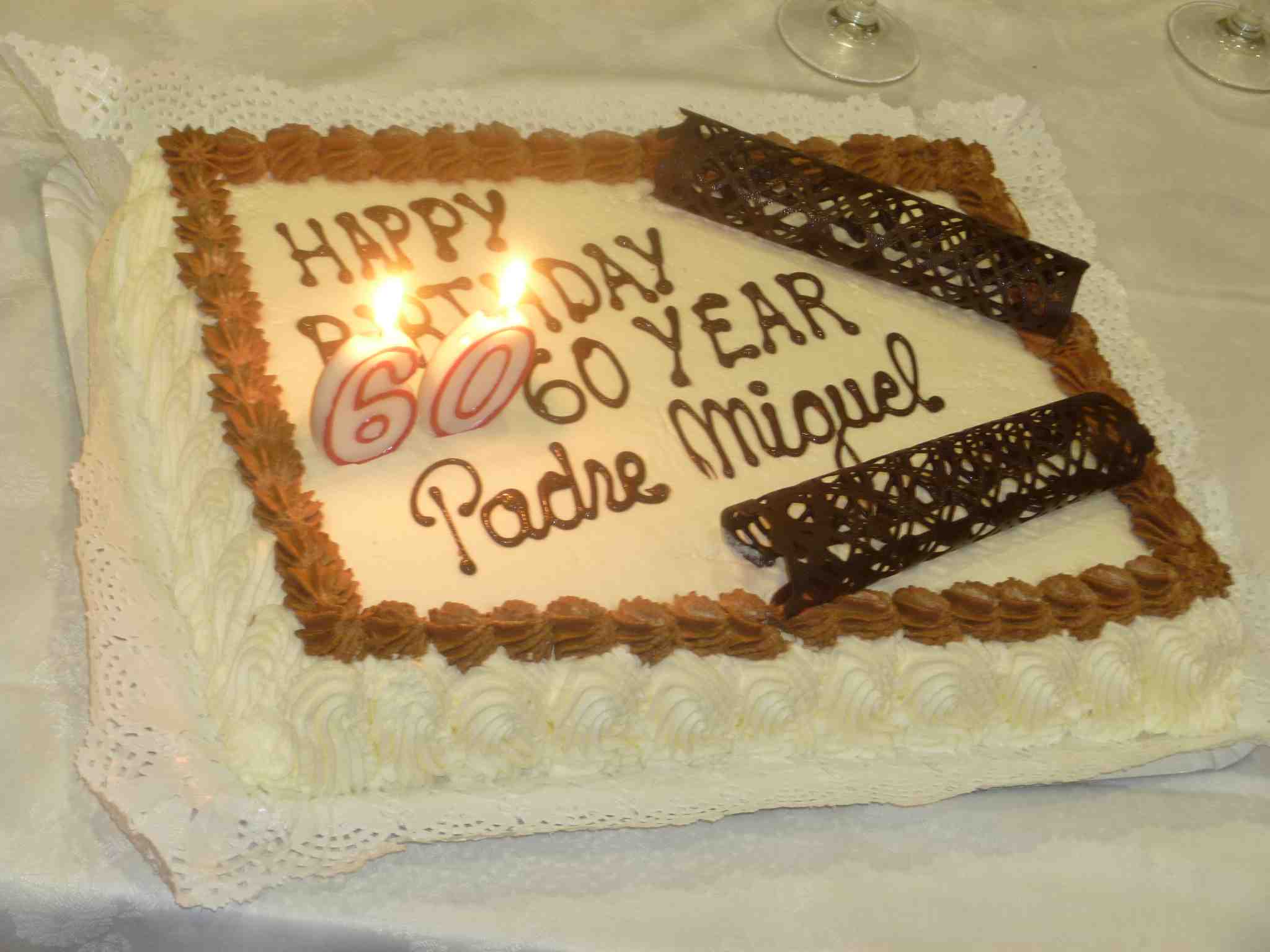
Birthday cake for Padre Miguel

The birthday cake for Padre Miguel

Fr John Fitzgerald making a speech prior to the cutting of the cake

Fr John Fitzgerald making a speech prior to the cutting of the cake

I got a number of birthday presents from the group including: (i) a compass (they have correctly assessed that my sense of direction is poor); (ii) a Swiss Army knife to carry in my day pack just in case I need a cork screw to open a bottle of wine; (iii) a key ring with a bull on it; (iv) an optical mouse for use with my laptop; (v) a small lamp from which to read if I wake up at night.

Our prayer today. In the Third Week of the Spiritual Exercises of St Ignatius of Loyola I am invited to accompany Jesus in his Passion.  In this period of the retreat Ignatius suggests that I ask God for the following grace:

[203] In the Passion it is proper to ask for sorrow with Christ in sorrow, anguish with Christ in anguish, tears and deep grief because of the great affliction Christ endures for me.

The last two words “for me” are critical. Ignatius uses these words carefully and deliberately because he wants the person who make the Exercises to know that the awful events that are unfolding are an act of love of Jesus “for me”.

As we walked with Jesus today we allowed these two words to be the focus of our devotion.  We asked God for the grace to believe in our bones that Jesus is suffering “for me”.

Today’s walk gave us time to ponder some deeply personal faith questions:

  • Did Jesus really die for me?
  • If God can bring meaning and love out of the violent death of his Son, can he transform into life what are currently death-dealing situations for me?
  • Does the execution of the Word made Flesh save me? How?

Good Friday reveals God the Father’s attitude towards me: God loves me and wants me to know that he loves me. The drama on Calvary is the most profound piece of body language the world has ever seen.  And Jesus embodied that language of love for me.

Today as we considered what happened at “the place of the skull” (Golgotha), it was important to know God our Father is not a sadist. He did not inflict on his Son the suffering of execution on a Cross. Rather, Jesus endured suffering and death as an act of love for me, and God the Father is broken-hearted at what happened to his Son.

Stage 19: Candasnos – Fraga (26.3 km)


After breakfast Acai drove us back to Candasnos in the bus to commence the day’s walk. The sky was overcast and a cool breeze was blowing for the first three hours of our walk. It was ideal walking weather.

The morning was overcast — good walking weather

The morning was overcast — good walking weather

About mid-morning we met up with Fr Gerard Boyce from the Hamilton Diocese in New Zealand. Gerard is currently on a three-month sabbatical and is walking from Montserrat to Santiago de Compostella. We met up with him last evening in Fraga and we had Mass and dinner with him. He is walking the Camino alone and was pleased to have some company and conversation.

Fr Gerard Boyce and Fr Michael Smith SJ — two New Zealanders

Fr Gerard Boyce and Fr Michael Smith SJ — two New Zealanders

A very welcome overcast day

A very welcome overcast day

Fr Joe Taylor views Fraga from the top of the ridge

Fr Joe Taylor views Fraga from the top of the ridge

Finding some shade for lunch

Finding some shade for lunch


Chona and Jan find that umbrellas help on a hot day

Chona and Jan find umbrellas help on a hot afternoon

Today’s trail took us to Fraga, a  large town located on the Cinca river, and boasting a plethora of historic monuments from different artistic and historic periods. After arrival, explore the steep, narrow streets of the old part of town. The alleys are flanked by tall narrow houses, with the Montcada palace (built in Aragonese style) being one of  the most attractive old family houses.  The building was converted into a cultural centre in 1986 (here you can see an interesting ethnological, metal working, archaeological and medieval exhibition). The Church of San Pedro is a lovely church to spend a quiet moment contemplating.

Our contemplation today.  We walk with Jesus on the way to His death and we ask God for this gift: to feel sorrow with Christ in sorrow; to experience anguish with Christ in anguish; and even to experience tears and interior grief because of all the sufferings Christ endures for me at the end of His life.

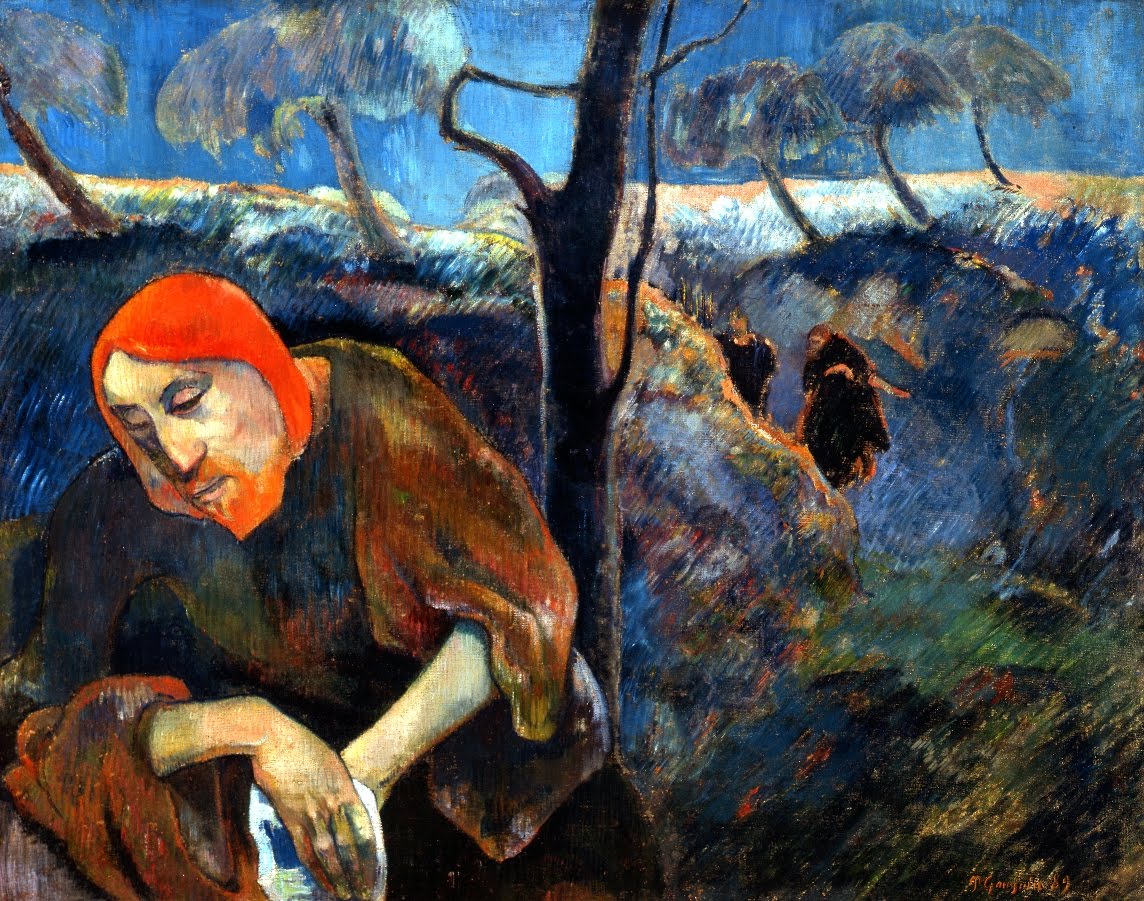
Reflections: After the Last Supper, Jesus experiences agony while praying in the garden. He wishes that he could avoid the suffering He is about to undergo.

The Agony in the garden by Gaugin

The Agony in the garden by Gaugin

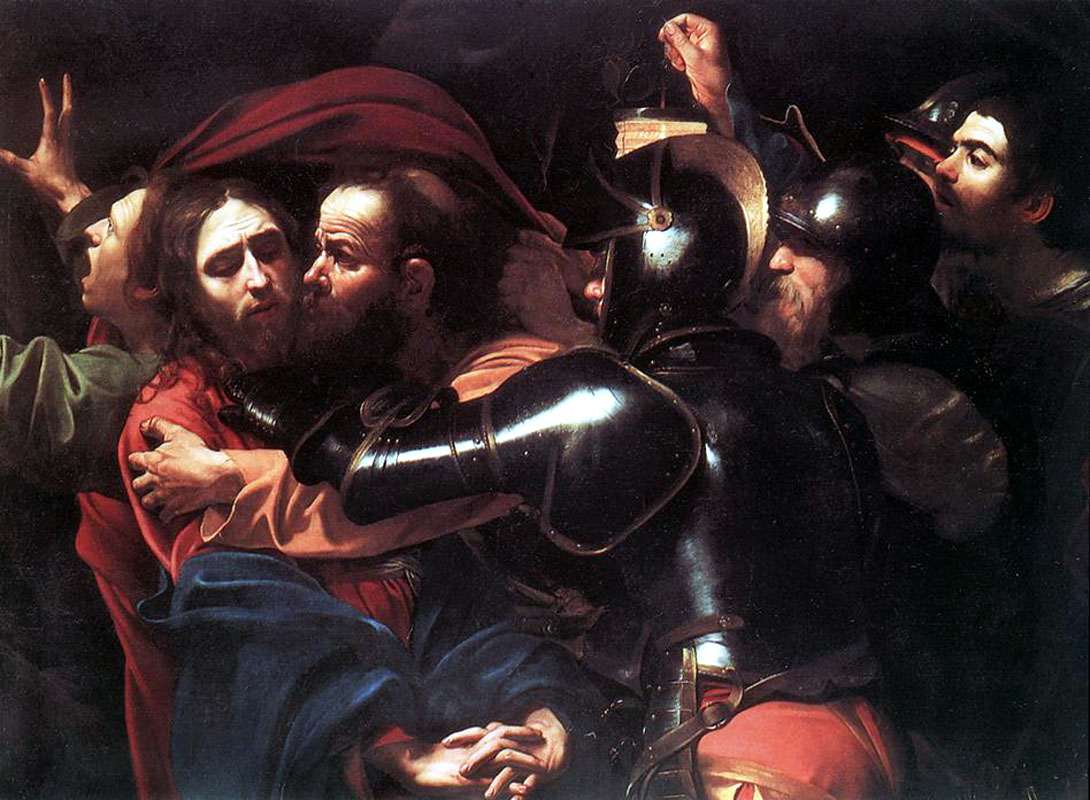
The story of Jesus’ Passion is a story of wounding and death. But it is not just a story about the physical woundings of Jesus — the wounds made by the nails in his hands and feet, the hole that the lance tore in his side, the welts left by his flogging at the hands of the Roman soldiers, the bruises when he was punched, the crown of thorns. It is also a story of deeper wounds; specifically, the wounds of betrayal Jesus experienced.

Caravaggio's depiction of Judas betraying Jesus with a kiss

Caravaggio’s depiction of Judas betraying Jesus with a kiss

Throughout the Passion narrative the drama of betrayal unfolds.  Firstly, the disciples fall asleep in the garden of Gethsemane — they cannot stay with their friend in his suffering.  Then Judas betrays Jesus with that most tender of human actions — with a kiss.  Then Peter, the supposed “Rock”, denies that he even knows Jesus.  In each of these betrayals Jesus is forced to the terrible awareness of having been let down, failed, left alone.  He is publicly humiliated. His life mission seems to have ended in failure and ridicule. Then, in the final moments as he is riveted to the cross, denied and abandoned by everyone — although not by his mother and the other women — he feels the full human depth of the reality of the betrayal, and cries out: “My God, my God, why have you forsaken me?” Throughout the New Testament, Jesus is very sure of His bond with God the Father.  He repeatedly asserts, “My Father and I are One”.  But on the Cross Jesus, in his humanity, even feels abandoned by God.

So what can we say about betrayal in our own lives and what is the lesson of Calvary for us?  Trust and betrayal are always linked. When we are betrayed, our trust is broken. It is always the closest relationships that usually carry the fullest agony of betrayal: betrayal by parents who did not keep their promises to their children; betrayal by the lover who finds another; betrayal by the child who never calls home; betrayal by the trusted business partner who defrauds us.

Paradoxically it is where we have been deeply wounded and betrayed that God can act.  But what we do with our betrayals is what is crucial.  We all get wounded.  It always happens in life.  And if, when the wound happens, we can find some Divine significance in it, if we can say, “This is not just a mistake”, if we can find God in the betrayal, it can become a sacred wound which will lead us on our journey to God.

Today we pray for the gift of solidarity with Jesus and great compassion for Him. We take special note of Jesus’ ultimate and utter faithfulness to His mission, to His Father, and, by extension, to us. Jesus is the one who remains faithful to what He is called to accomplish. He also remains faithful to each of us in our personal moments of grief, pain, and uncertainty.

Follow Jesus with the disciples to Gethsemane. Stay with them as they wait for Jesus. Or just go there and watch Jesus praying to His Father. We follow Jesus in embracing the Father’s will, experiencing His humiliation, darkness, and doubt. Look at Judas arriving to betray his Lord, not really understanding the role he is playing. Feel the emotion of this situation. Stay close to Jesus in the house of Caiaphas. Keep your eyes on Jesus: What is He feeling? What is He thinking? How does He respond in this moment? Stay close to Jesus and look at the people who are speaking. What are they saying? What do you feel in this moment? Move forward and follow Peter outside of the house. Watch Jesus here since He knows that Peter will betray Him. Experience the pain of betrayal through some sign of affection. Notice how Jesus regards Peter. Jesus has been denied by the very one whom Jesus had called “Rock”. This is the lot of Jesus which I am invited to share. For me this is a moment of personal truth. How do I feel?

Stage 18: Bujaraloz – Candasnos (20.2 km)

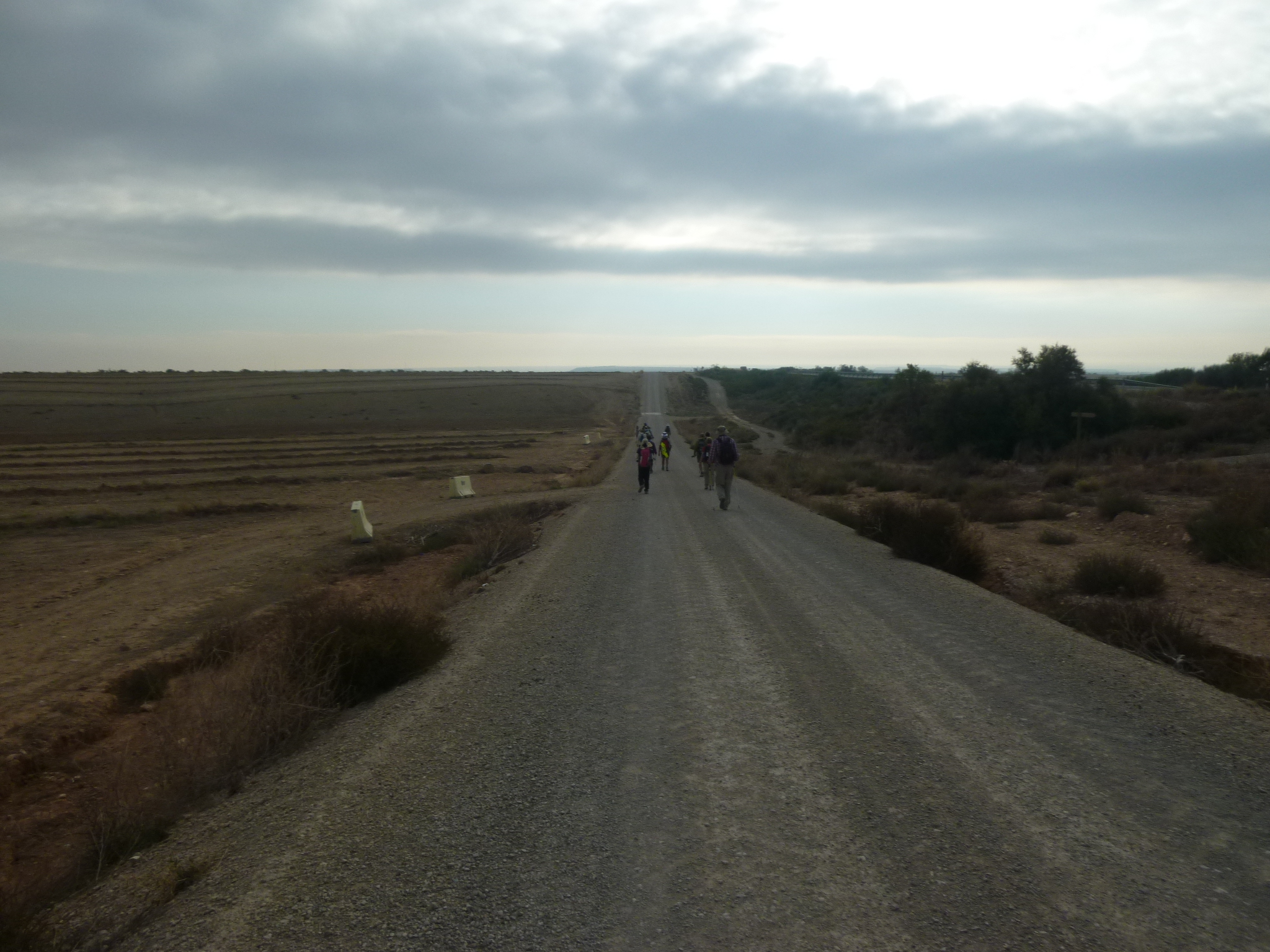
Today’s stage again took the group through the stark landscape of the Monegros region. The route had few trees or shade and was close to the N-II highway. The terrain was mostly flat. Half-way along was the village of Peñalba. Our destination was Candasnos, another small village with a population of around 500 people. The Romanesque church of St. Mary of the Assumption dates back to the 12th century (you can still see the stonemasons’ individual marks on the cut stones, dating back to that time).

Helen and Tracy (who was wearing the back marker's vest today)

Helen and Tracy (who was wearing the back marker’s vest today)

Happy pilgrims

Happy pilgrims


After the group arrived in Candasnos, they met by our Mongolian bus driver Acai and were transferred by coach to the Hotel Casanova Huesca in Fraga.


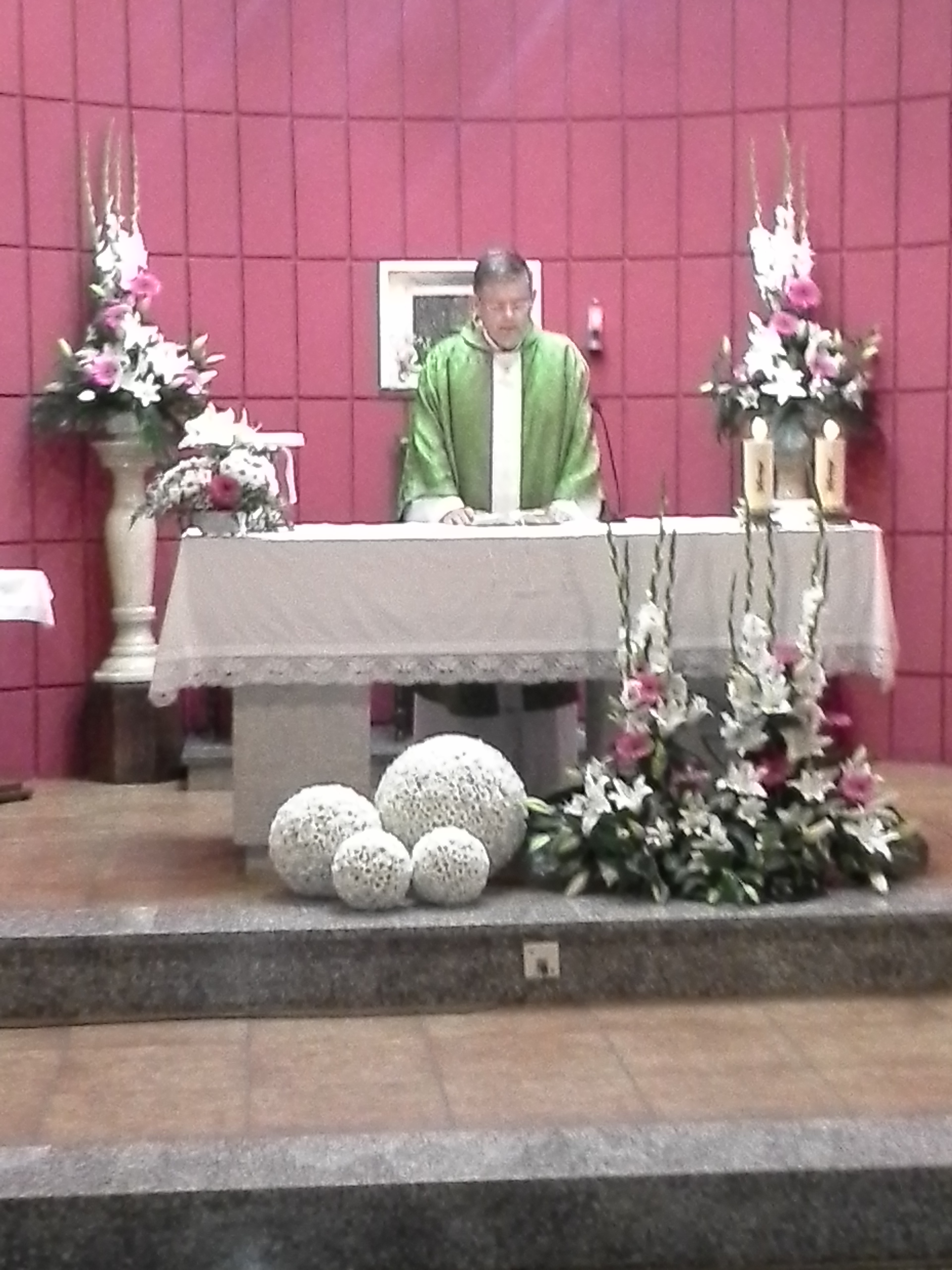
Michael celebrating the Eucharist for the group at a local church

Michael celebrating the Eucharist for the group at a local church

Preparing croissants in the evening for our breakfast tomorrow

Preparing croissants in the evening for our breakfast tomorrow

Today we are reflecting on the Last Supper. We are praying for the grace to feel sorrow with Christ in sorrow; to experience anguish with Christ’s own anguish, and even to experience tears and deep grief because of all the afflictions Christ endures for me.

In Jerusalem now, Jesus celebrates His last supper with His disciples.  At one point in the meal Jesus performs a household servant’s task of the washing the dirty feet of the supper guests.

The pilgrims’ feet were hot and sweaty this afternoon after 6 hours of walking through the Monegros.  At one point they had to walk through mud. Would we be willing to wash each other’s feet at the end of the day on the Camino? In Jesus’ time, the feet were regarded as a defiled part of the human body. It was thought that a person could catch leprosy just by walking the same ground as a leper. A person visiting the home of another would wash his own feet carefully before entering the house. However, for anyone other than a slave, offering to wash the feet of another was practically unheard of. Jesus’ example tells us several things. First, it shows Jesus taking the role of a servant and he invites us to do likewise. Also, by washing the feet of his friends, Jesus is saying: “I love you. I respect you. There is nothing about you I consider unworthy. I accept you as you are.” Can you imagine Jesus washing your feet after a six-hour walk? Are you drawn to serve others in a similar way?

Pope Francis washing feet  in a a Juvenile Detention Centre on Holy Thursday

Pope Francis washing feet in a Juvenile Detention Centre on Holy Thursday

During the meal, Jesus breaks bread and shares wine with his disciples, inviting them to “do this in memory of me.” Today is Sunday and in countless places around the world the Eucharist is being celebrated. The Eucharist also draws us into a living, intimate connection with Jesus: the bread and wine Jesus offers us is His own body and blood, generously given to each of us.

The Last Supper

The Last Supper

In the Spiritual Exercises Ignatius invites us to enter into the scene at the Last Supper.  Ignatius speaks of Jesus who, “after eating the Paschal lamb and finishing the meal, washed their feet and gave his most holy Body and Precious Blood to his disciples.” Ignatius invites us to: “See the persons at the supper, and then, as I reflect on myself, draw profit from them. Listen to what they are saying… see what they are doing.”

Stage 17: Venta de Santa Lucía – Bujaraloz (20.5 km)

A short bus ride took us back to Venta de Santa Lucía to begin our walk.

Our bus driver being greeted by Jan Sebastian

Our Mongolian driver Acai being greeted by Jan Sebastian

Today was a short, but lonely and barren stage. We started at 8.30am and arrived in Bujaraloz at 2.30pm.  With a stop for lunch factored in we are walking about 4 km per hour.  My shins are still hurting — every step involves a dull pain — but a slower pace at the back of the group and 600 mg Ibruprofen tablets help.

A desolate section of the Ignatian Camino

A desolate section of the Ignatian Camino

As we have moved into the “third week” phase of our Spiritual Exercises (Jesus’s Passion) we have entered, fittingly, into a more desolate section of our pilgrimage. “Los Monegros,” Spain’s desert-like region, is hot, arid, and dusty. As we walked today we could imagine that we were walking with Jesus as he turned his face towards Jerusalem.

Our destination, Bujaraloz, in the distance

Our destination, Bujaraloz, in the distance

Our hotel tonight is more of a truck stop

Our hotel tonight is more of a truck stop

A beer at the end of six hours on the road

A beer at the end of six hours on the road

What I thought was a pretty basic truck stop — namely the Hostal El Español in Bujaraloz (population 1000) — turned out to serve the most magnificent cuisine. Today was Michael Bertie’s birthday and it will be one which I doubt that he will forget.  There was so much food at the buffet dinner this evening I remarked that it was like I imagine the heavenly banquet will be. The staff were so welcoming and friendly. We had a wonderful evening.

Chona Walden partaking of the buffet

Chona Walden partaking of the buffet

Michael and his birthday cake

Michael and his birthday cake

The staff sang "Happy Birthday" in Spanish

The staff sang Michael “Happy Birthday” in Spanish

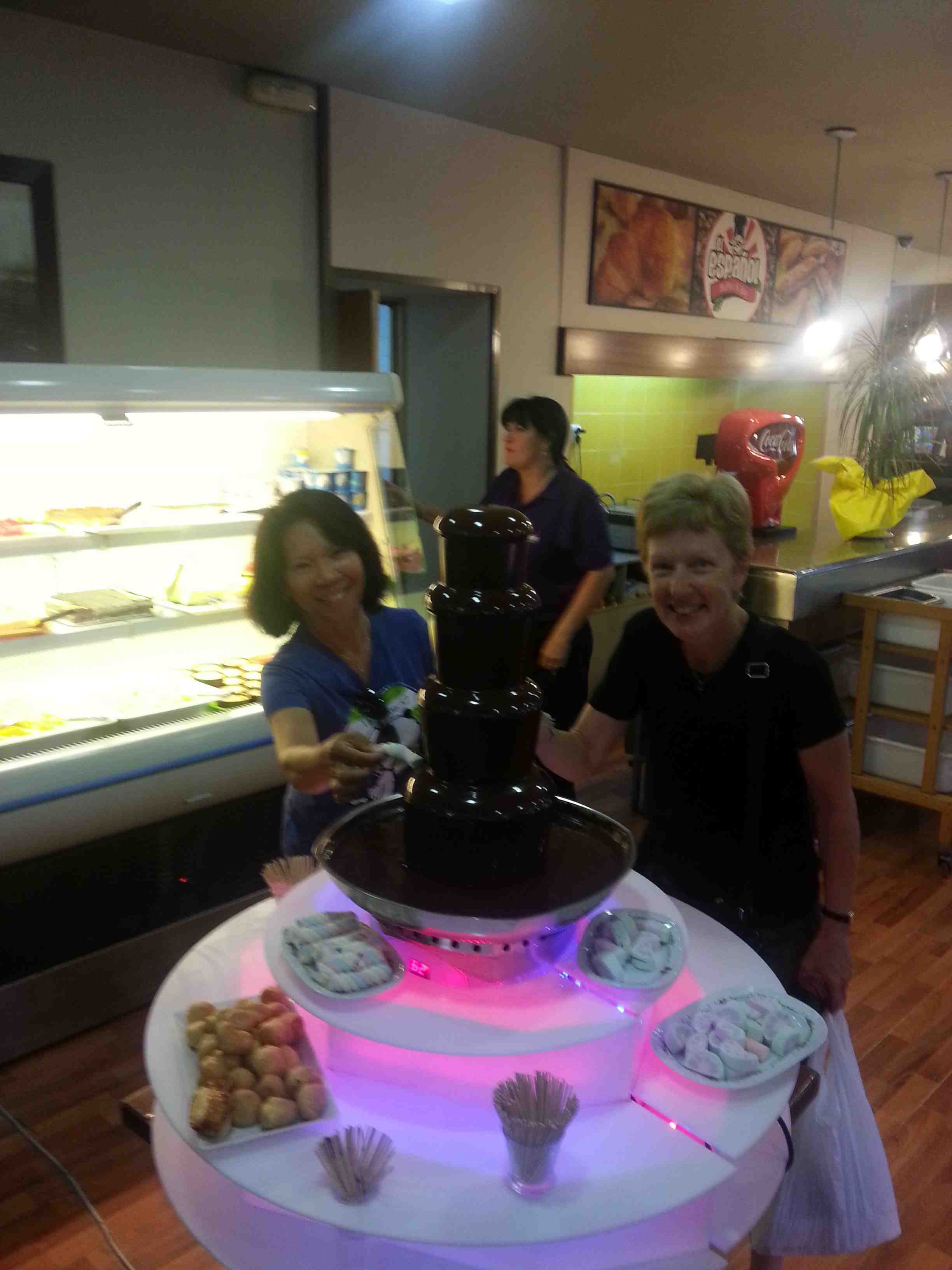
Helen and Chona at the chocolate fountain

Helen and Chona at the chocolate fountain

Stage 16: Fuentes de Ebro – Venta de Santa Lucía (28.5 km)

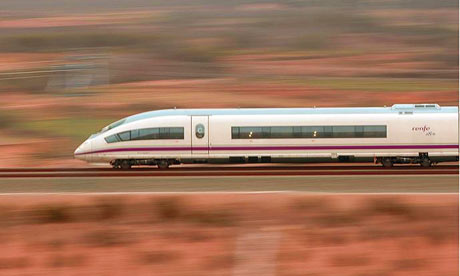
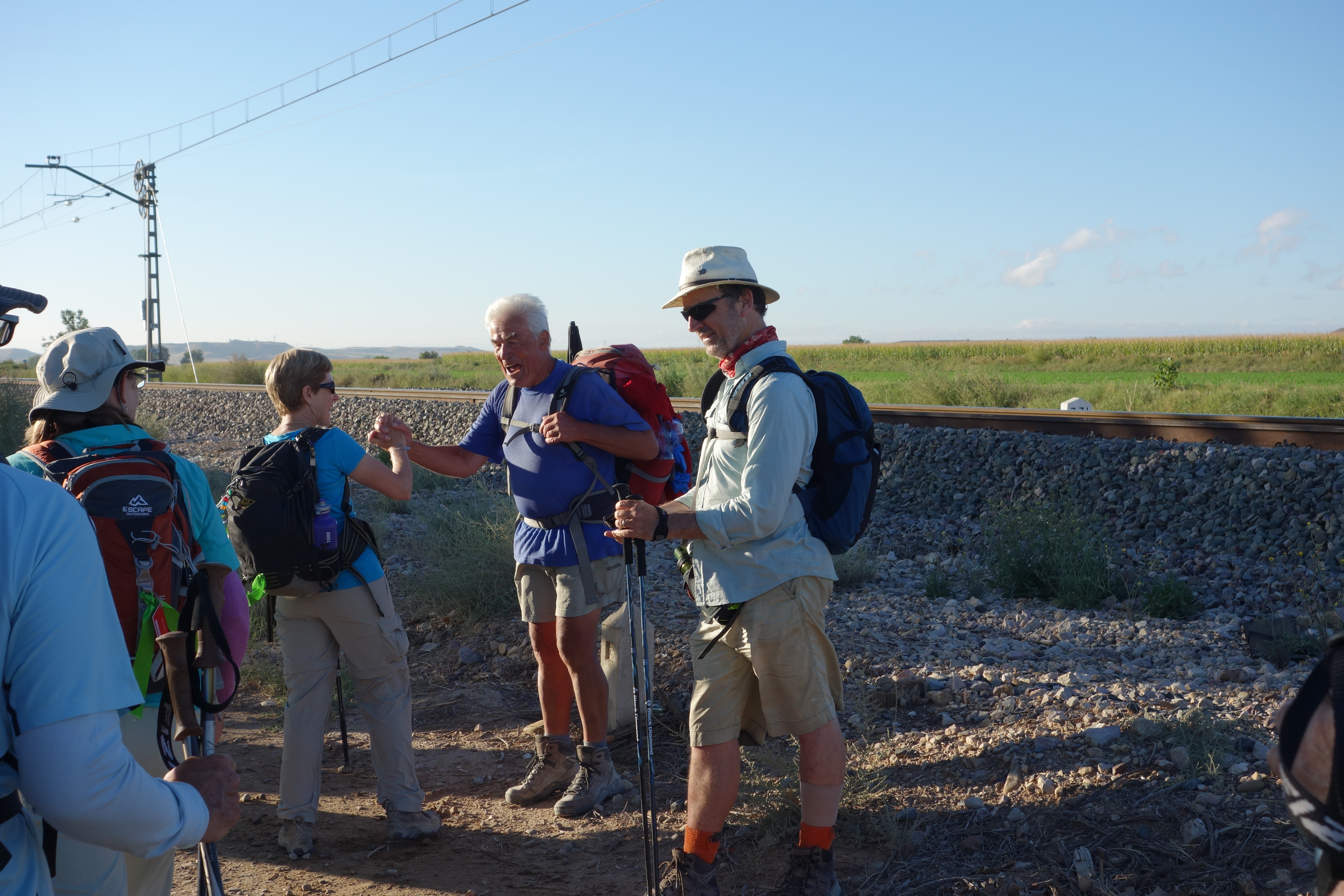
We followed the railway tracks for part of the morning and saw a high speed train flash by. It made a lot of noise.

Spanish high speed train

Spanish high speed train

For about an hour we followed a railway line.

Following the railway line in the early morning

Following the railway line in the early morning

We met a French pilgrim who was walking the other way on the Camino to Santiago. He was 76 years of age and he told us that he had walked the Camino eight times. He looked very fit and said he wanted to walk the Camino one last time “before he died”.

Helen Lucas greeting the French pilgrim

Helen Lucas greeting the French pilgrim

Before the desert

Before the desert

Just after we stopped for a break Michael Bertie announced that we had just reached the 400 km mark.  Only 250 km to go to Manresa. Here members of the group raise four fingers to represent the achievement of reachng 400 km.
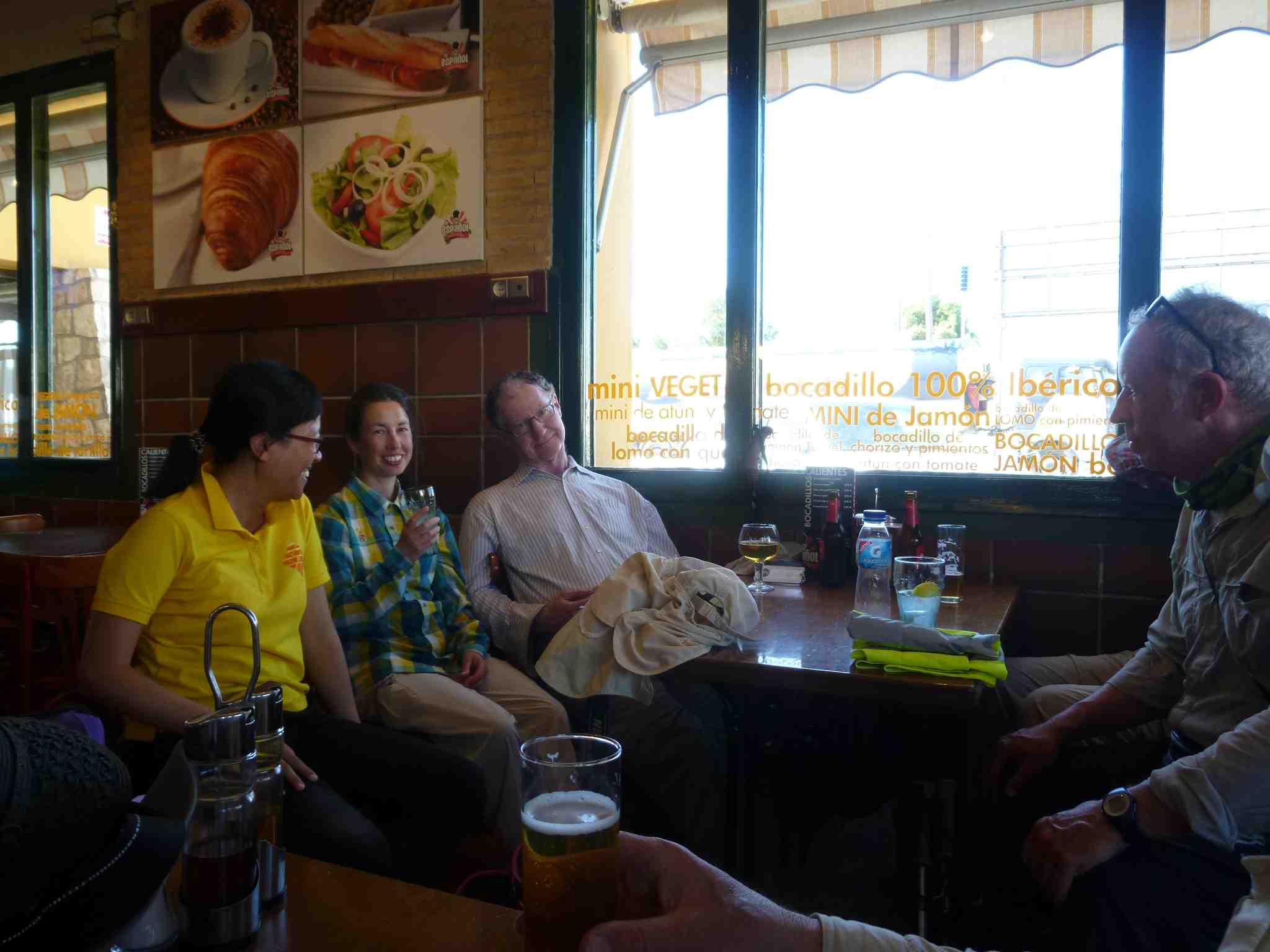
Stopping for a break

Stopping for a break

Celebrating the 400 km mark

Celebrating the 400 km mark

We were beside the Ebro River for the latter part of the morning. Then we entered the barren Monegros landscape, named so for the black-looking hills we could see in the distance. Los Monegros are the closest thing to desert landscape to be found anywhere in Europe.  Today the temperature reached 29 degrees centigrade. There was little shade from trees but we managed to find some pine trees under which we had lunch. We needed plenty of water today.

The beginning of the desert

The beginning of the desert

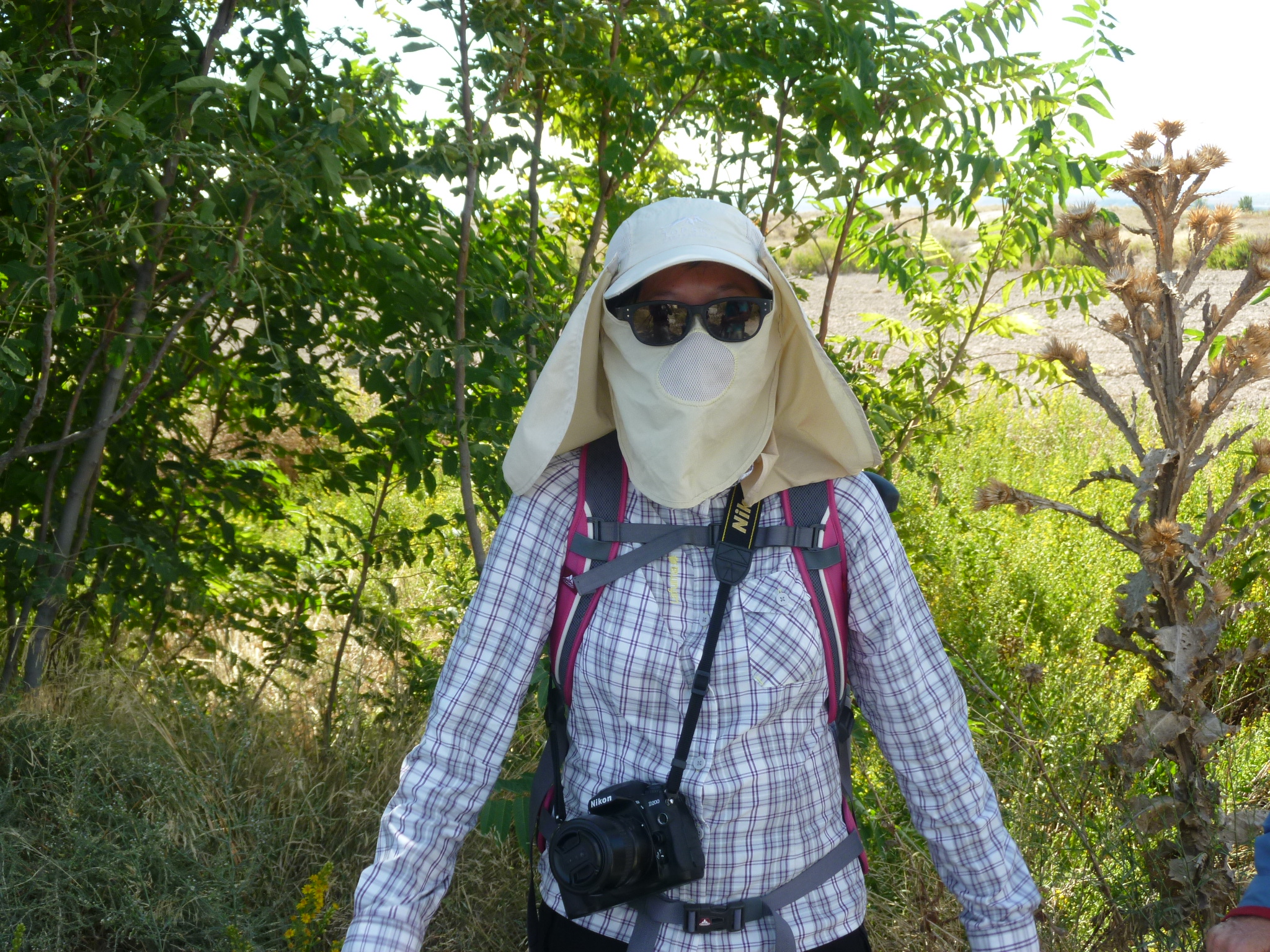
Tracy protecting herself from the dusty conditions she is about to encounter in the desert

Tracy protecting herself from the dusty conditions she is about to encounter in the desert

Lunch under some pine trees

Lunch under some pine trees

Kay Quisenberry  walking through the barren landscape

Kay Quisenberry walking through the barren landscape

About mid-afternoon my shins started to ache and I slowed down. I was very appreciative that Vin Dillon and Michael Bertie slowed down and walked with me for a couple of hours in the hot sun while the other went ahead. Our walk finished in Venta de Santa Lucia, where we had a beer, and then we were driven back in a bus to our hotel in Fuentes de Ebro.

Stage 15: Zaragoza – Fuentes de Ebro (27.8 km)

This morning we farewelled inner-city Zaragoza and walked along a busy highway into the countryside. After 5 km we arrived at La Cartuja, an interesting walled village that at one time was a 17th monastery dedicated to the Immaculate Conception. Today the galleries of the cloister are streets and the cells of the Carthusians have become dwellings. We continued through a rather arid landscape en route to Fuentes de Ebro, another small town.

Today was my first day of walking since Stage 8: Logroño – Alcanadre when I did some serious damage  to my shins and needed to rest for six stages. I was quite anxious that I would not make the distance, but I did and my legs have held up. My feet ache, but my shins are fine.

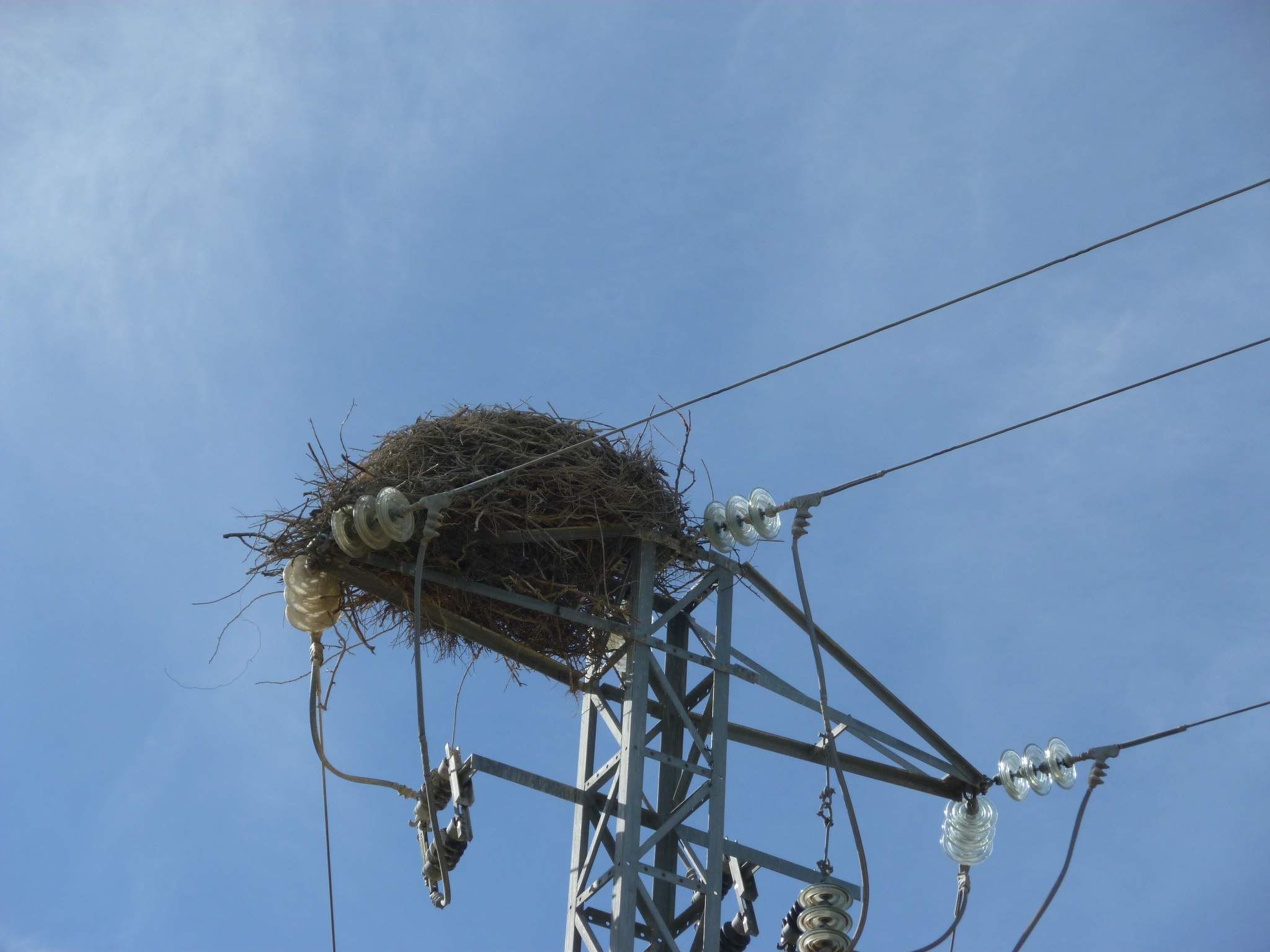
Usually stork nests are on churches but today I saw one on a power pylon

Usually stork nests are on churches but today I saw one on a power pylon

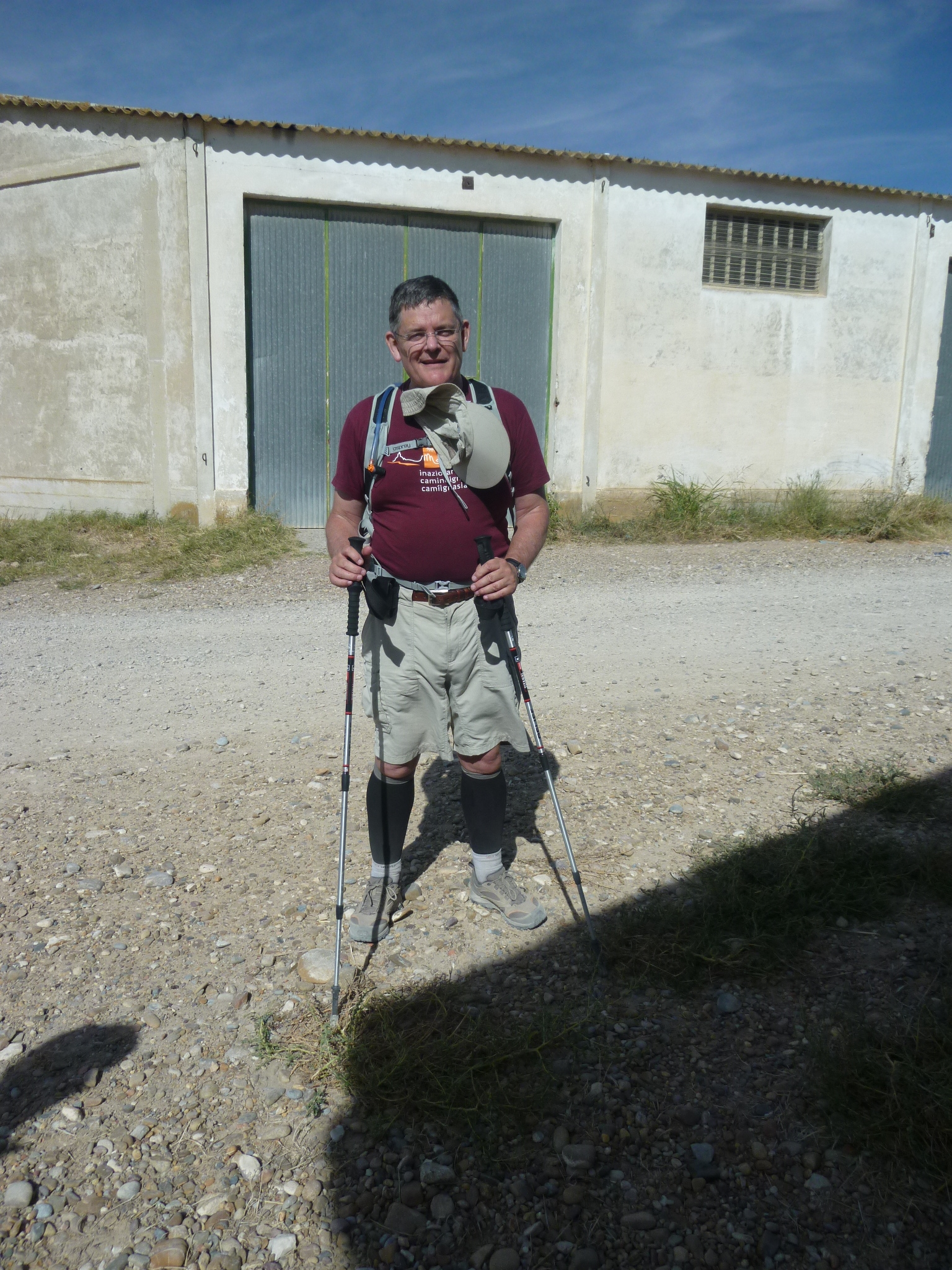
Fr Joe Taylor volunteered to be the back marker today

Fr Joe Taylor volunteered to be the back marker today

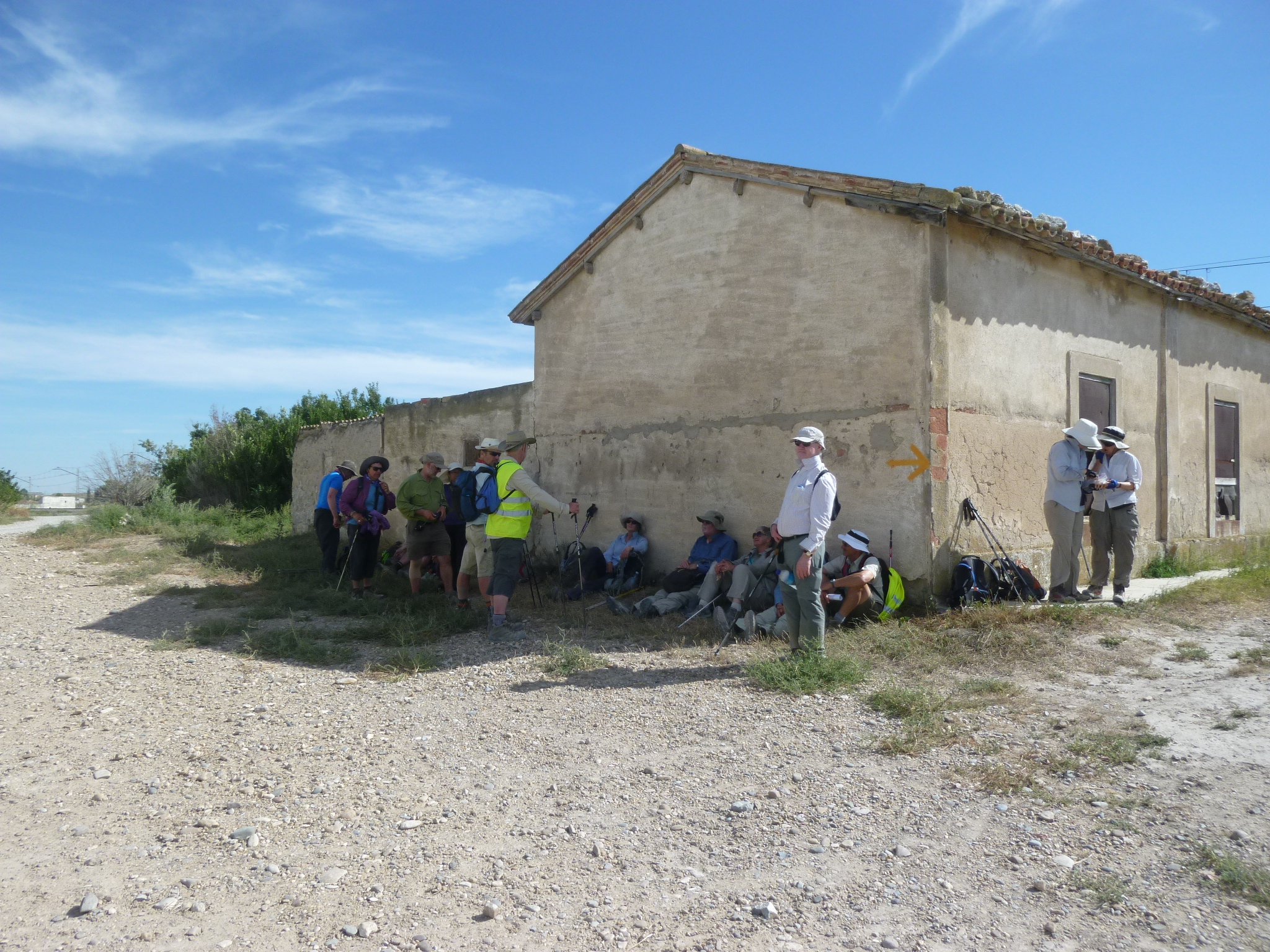
The group finds some shade on a hot day

The group finds some shade on a hot day

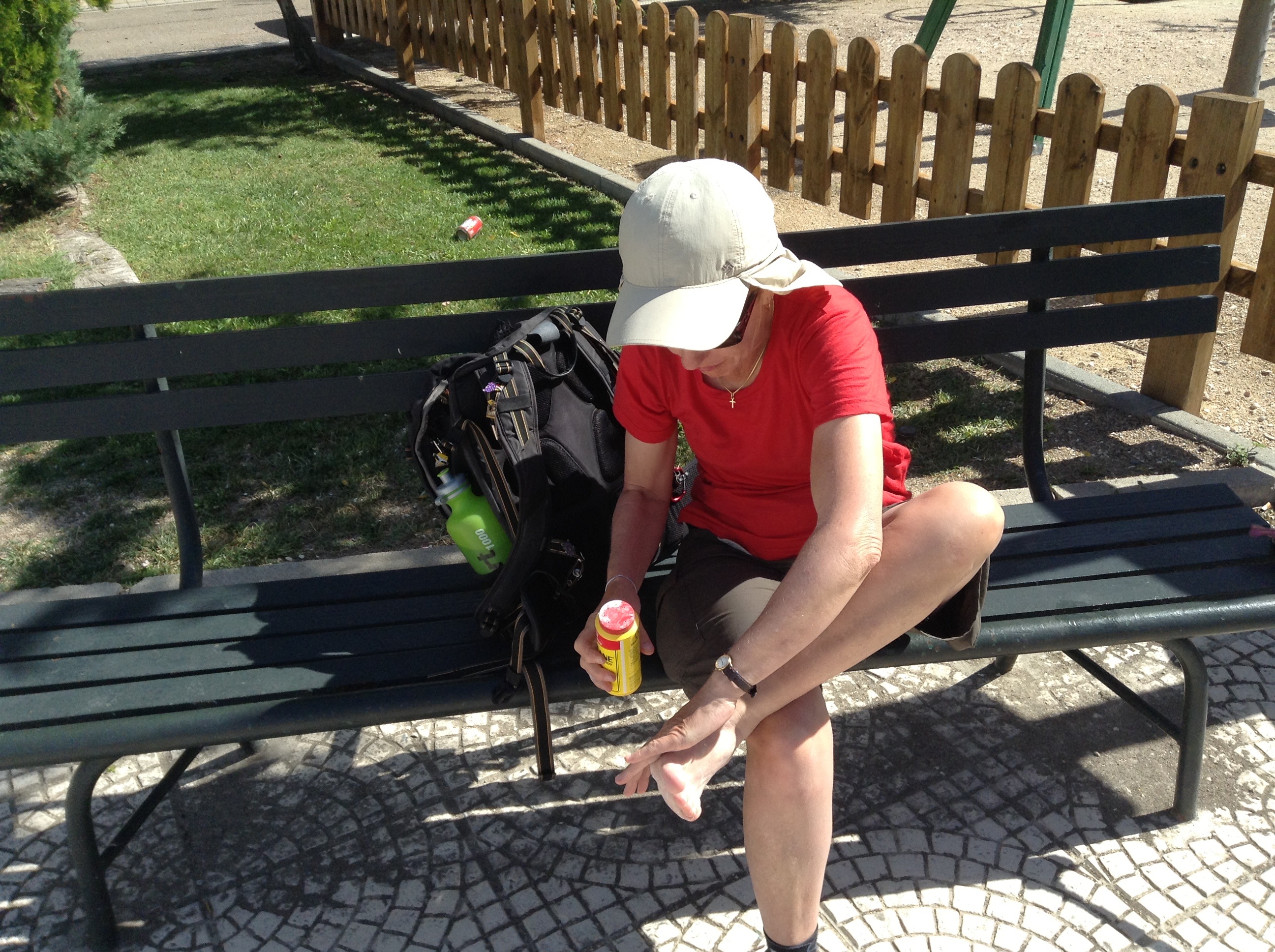
Some foot care at lunch time

Some foot care at lunch time


Towards the end of the day

Towards the end of the day

Our prayer today:  The “Weeks” of the Spiritual Exercises of Saint Ignatius can be divided into three ways — the purgative, illuminative, and unitive.  Ignatius uses “weeks” as a metaphor to denote seasons of soul:

  1. First Week — the Purgative Way
  2. Second Week — the Illuminative Way
  3. Third and Fourth Weeks — the Unitive Way.

Currently on the pilgrimage we are in the “illuminative” phase.  We are walking with Jesus, in order that our lives may be illuminated by his.  We are asking to see more Him more clearly, love Him more deeply and follow Him more closely. Another way of saying this is that we are asking for the grace to deepen our interior knowledge of Jesus. The illuminative phase means putting on the mind and heart of Christ by:

  • contemplating Christ in the different events of the Gospel and learning from him
  • being illuminated by his way of thinking, his way of doing things.

He is the Word from the Father and we are asking to be taught and illuminated by the Word made Flesh.

Gospel passage.  Today we are reflecting on the Beatitudes. I imagine myself sitting among the people who had gathered on a hillside listening to Jesus as he laid out his path, his “Way.” Then as now, his way is highly counterintuitive; he is inviting us to be and to live for values that are exactly the opposite of what contemporary culture and advertising tell us to do. In his time, Jesus was in contradiction to His world.

Matthew 5: 3-12

Blessed are are the poor in spirit, for theirs is the kingdom of heaven.
Blessed are those who mourn, for they will be comforted.
Blessed are the meek, for they will inherit the earth.
Blessed are those who hunger and thirst for righteousness, for they will be filled.
Blessed are the merciful, for they will be shown mercy.
Blessed are the pure in heart, for they will see God.
Blessed are the peacemakers, for they will be called children of God.
10 Blessed are those who are persecuted because of righteousness, for theirs is the kingdom of heaven.

11 “Blessed are you when people insult you, persecute you and falsely say all kinds of evil against you because of me. 12 Rejoice and be glad, because great is your reward in heaven, for in the same way they persecuted the prophets who were before you.


Rest Day in Zaragoza

Situated along the Ebro River Valley in a very picturesque setting, Zaragoza is a city with an impressive landscape, old traditions and popular customs.

Basilica El Pilar

Basilica El Pilar

The city’s most important monument is the Basilica El Pilar. This church is one of the most popular destinations for pilgrimage in all of Spain, consecrated to the Holy Virgin of Pilar, patroness not only of this town but of all Spanish-speaking countries.

Outside the Basilica El Pilar

Outside the Basilica El Pilar

The Basilica del Pilar is built in the place where our Lady is said to have appeared to Saint James. It’s told that St. James the Apostle came through this region to evangelize Spain and, while he was dejected and questioning his mission,  the Virgin Mary appeared in a vision to encourage him. In the vision, she was atop a column or pillar, which was being carried by angels. That pillar is believed to be the same one venerated inside the Basilica.

Our Lady of the Pillar (Nuestra Señora del Pilar) by Goya

Our Lady of the Pillar (Nuestra Señora del Pilar) by Goya

The baroque building, finished in 1681, is flanked by four towers. Some parts, such as the neoclassical main-facade, were added in later periods. In its interior the wall-paintings in the cupola, works of Goya and Bayeau, are of particular interest.

Yesterday I booked an appointment with a physiotherapist and today I had a session with Rafael. My legs are feeling much better and he assures me that I should be able to walk tomorrow.  He took a photo of the acupuncture needles.

Acupuncture needles

Acupuncture needles

Rafael the physiotherapist and his grateful patient

Rafael the physiotherapist and his grateful patient