We spent the first day exploring the Sanctuary of Loyola and the nearby town of Azpeitia, which are in Spain’s Basque region.
Ignatius was born in 1491 in a four-storey castle which still stands. This is where Ignatius returned to convalesce after he had his right leg shattered by a cannonball in 1521. The thirty-year-old Íñigo López de Loyola led the Spanish forces defending the castle of Pamplona against a significantly stronger French army. Combat lasted until a cannon-ball struck Íñigo shattering his right leg below the knee and wounding his left leg. On May 21, 1521 the garrison surrendered.

Íñigo spent months convalescing at the family castle at Loyola. As a result of his injury, he would limp for the rest of his life. His brief military career was over.
As so often happens in times of personal tragedy, the crisis opened him to God. He began a journey from a courtly style of life into the less worldly lifestyle of penitent and pilgrim.
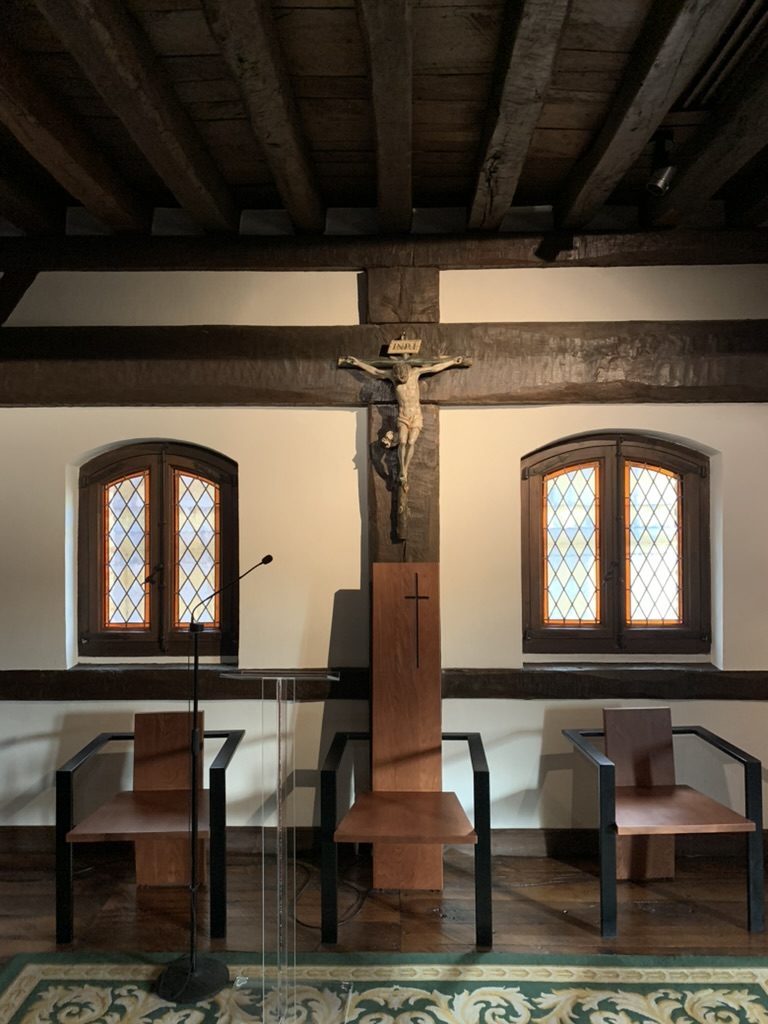
On his sickbed, Íñigo (who later took the name Ignatius) spent hours reading tales of chivalry, and day-dreaming about a noble woman and winning her hand. Weary of day-dreaming, he asked for something religious to read. He was given The Life of Christ by Ludolph of Saxony, and a book about the lives of the saints called the Flowers of the Saints, both in Spanish.. An inveterate day-dreamer, he started to imagine himself being like these holy and daring people.
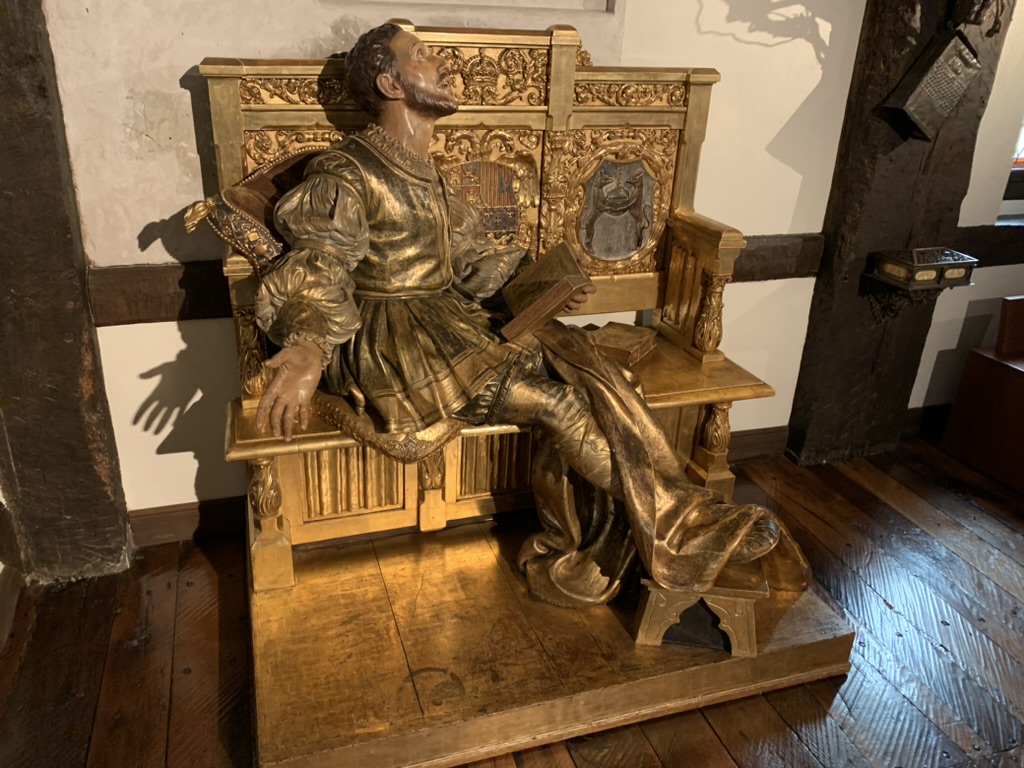
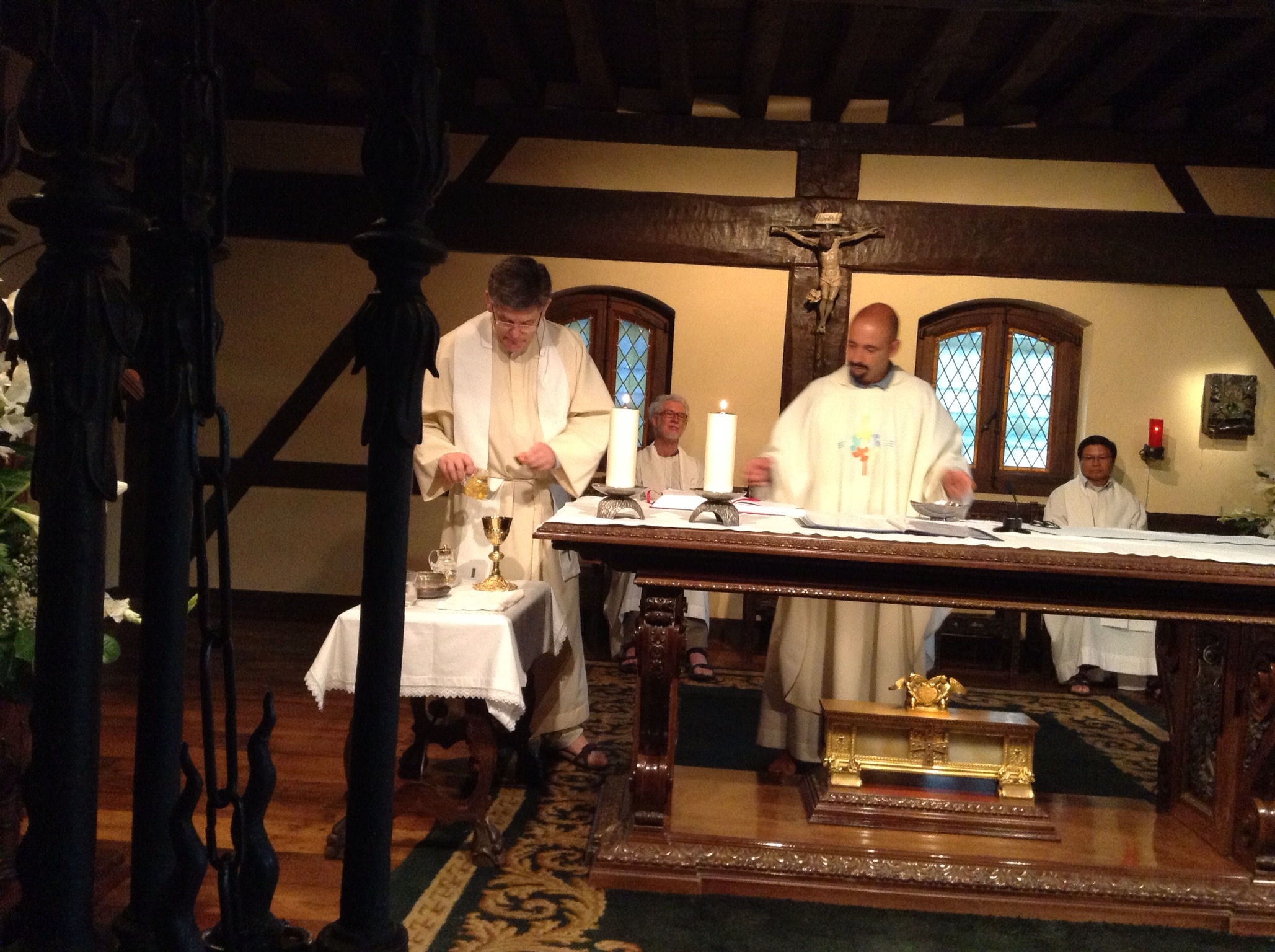
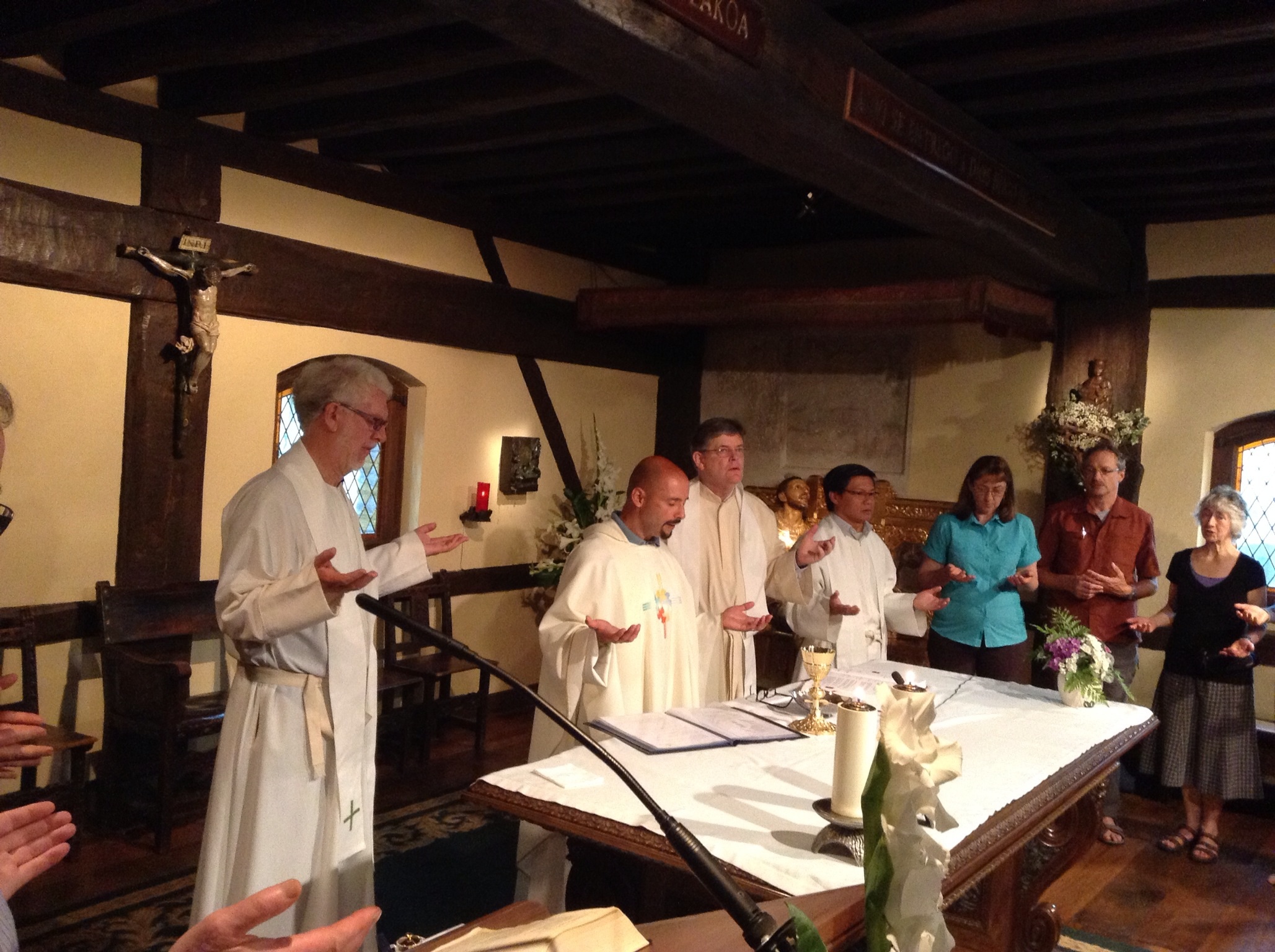
In his Autobiography Ignatius describes how he slowly began to conceive of serving God like Saint Francis and Saint Dominic had. His first steps along this new life path were to embark on a pilgrimage to Jerusalem. So it could not be more fitting that our pilgrimage begins in this room just like his did.

 Walking with Inigo — The Ignatian Camino