We had a long day of walking – about 25 km – but we are very blessed to have started the day with an overcast sky and a cool breeze which helped a lot.


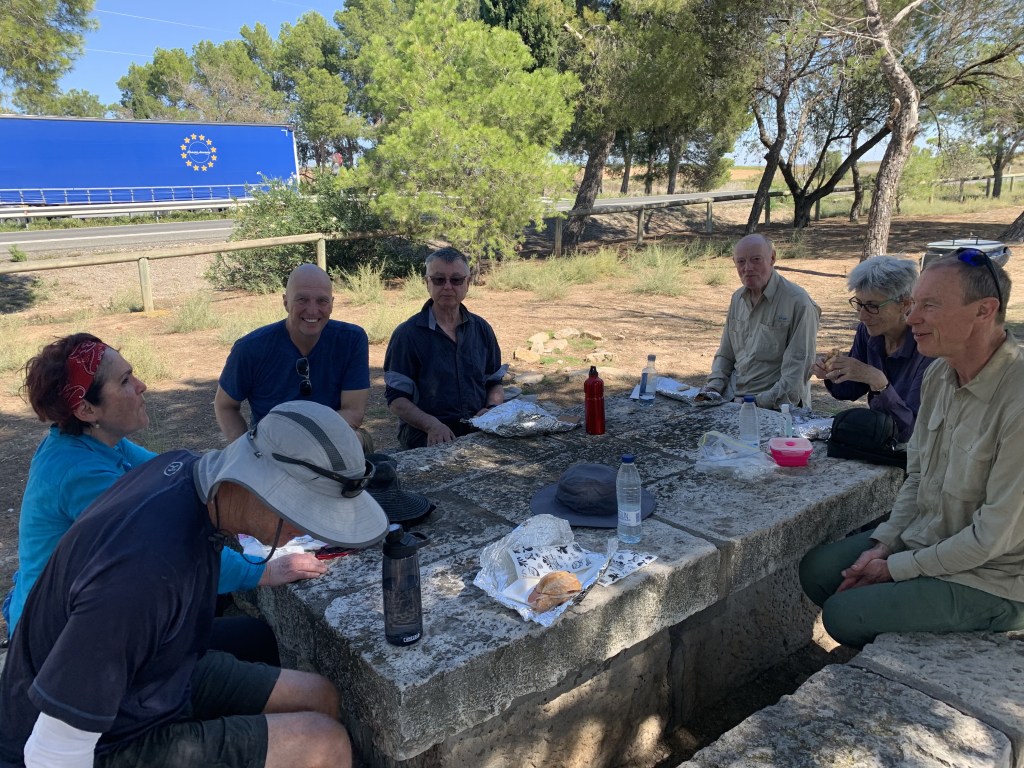
We had a long day of walking – about 25 km – but we are very blessed to have started the day with an overcast sky and a cool breeze which helped a lot.
Jesus said to the Pharisees: “There was a rich man who dressed in purple garments and fine linen and dined sumptuously each day. And lying at his door was a poor man named Lazarus, covered with sores, who would gladly have eaten his fill of the scraps that fell from the rich man’s table. Dogs even used to come and lick his sores” (Luke 16:19-20).
Carl Jung on Self-acceptance[1]
“To accept oneself as one is may sound like a simple thing, but simple things are always the most difficult things to do. In actual life to be simple and straightforward is an art in itself requiring the greatest discipline, while the question of self-acceptance lies at the root of the moral problem and at the heart of a whole philosophy of life.
“Is there ever a doubt in my mind that it is virtuous for me to give alms to the beggar, to forgive him who offends me, yes, even to love my enemy in the name of Christ? No, not once does such a doubt cross my mind, certain as I am that what I have done unto the least of my brethren, I have done unto Christ.
“But what if I should discover that the least of all brethren, the poorest of all beggars, the most insolent of all offenders, yes even the very enemy himself—that these live within me, that I myself stand in need of the alms of my own kindness, that I am to myself the enemy who is to be loved—what then?
“Then the whole of Christian truth is turned upside down; then there is no longer any question of love and patience, then we say ‘Raca’[2] to the brother or sister within us; then we condemn and rage against ourselves! For sure, we hide this attitude from the outside world, but this does not alter the fact that we refuse to receive the least among the lowly in ourselves with open arms. And if it had been Christ himself to appear within ourselves in such a contemptible form, we would have denied him a thousand times before the cock had crowed even once!”
The grace I seek
I pray that I might love and accept myself.
Imaging
I imagine that I am the rich person in the Gospel. I leave my house one day but, instead of ignoring the poor person covered with sores who lies at my door, I turn and look. I discover that I know the person. The person is me. I look at my body covered in sores with dogs licking them. How do I feel towards that person (me)? What do I do for myself? How do I speak to myself?
Points for reflection
Close with an Our Father.
[1] Carl G. Jung. Die Beziehungen der Psychotherapie zur Seelsorge (The relationship of psychotherapy to ministry) (Zurich: Rascher & Cie., 1932).
[2] The word ‘Raca’ in Aramaic means “empty one, fool, empty head”.
a friend – someone you trust, you are grateful for, and for whom you cherish positive sentiments
a neutral person – someone you don’t know personally and therefore do not like or dislike
a difficult person – someone who has hurt you or towards whom you carry negative feelings
a group of people – for example, everyone at home, work, or in your city
Sit in a comfortable position with your back upright. Close your eyes and bring your attention to your breath. Remind yourself that every living being wishes to live in peace and happiness. Concentrate on a different person (one of the above-mentioned examples) and try to keep them in mind. Tell yourself: as I am entitled to be happy and free of suffering, may you be happy and free of suffering as well.
In the name of Jesus Christ, Son of the living God, may you be peaceful
In the name of Jesus Christ, Son of the living God, may you be healthy
In the name of Jesus Christ, Son of the living God, may you be happy
In the name of Jesus Christ, Son of the living God, may you and I be peaceful
In the name of Jesus Christ, Son of the living God, may you can I be healthy
In the name of Jesus Christ, Son of the living God, may you and I be happy
In some cases, such as when thinking of a difficult person, feelings of aversion, anger, shame, guilt or sadness can emerge. While experiencing these emotions, the sentences can start to sound hollow and empty. Simply, label the emotion you experience (“anger”) and allow it to be there. Focus the exercise for a minute on yourself again (“May I be happy”). When you start feeling better, you can return to the other person as your focus of attention again.
Close by saying the Our Father.
Introduction
MANY PEOPLE FIND IT DIFFICULT TO LOVE THEMSELVES, TO BE SELF-COMPASSIONATE. Self-compassion can be defined as being touched by and open to your own suffering, not avoiding or disconnecting from it, generating the desire to alleviate your suffering and to treat yourself with kindness… Self-compassion also involves offering nonjudgmental understanding to your pain, inadequacies and failures, so that your experience is seen as part of the larger human experience.
You know that you are growing in self-compassion if you are:
Gospel (Mark 12:28-31)
One of the teachers of religious law was standing there listening to the debate. He realized that Jesus had answered well, so he asked, “Of all the commandments, which is the most important?” Jesus replied, “The most important commandment is this: ‘Listen, O Israel! The Lord our God is the one and only Lord. And you must love the Lord your God with all your heart, all your soul, all your mind, and all your strength.’ The second is equally important: ‘Love your neighbour as yourself.’ No other commandment is greater than these.”
I ask God for the grace to be increasingly self-compassionate.
The Loving-Kindness Meditation
In the name of Jesus Christ, Son of the living God, may I be peaceful
In the name of Jesus Christ, Son of the living God, may I be healthy
In the name of Jesus Christ, Son of the living God, may I be happy
Take a moment to truly comprehend the meaning of each phrase. If necessary, repeat a certain phrase more than once to create more clarity. You may also choose a single word and repeat this to yourself. It is important that you devote yourself to the desiring part of the exercise: that you truly desire these things for yourself. In other words, it is about the intention, not about the results. If you notice your mind starts wandering, simply return your attention to the phrases. Don’t be harsh on yourself, it is normal to get distracted.
We drove from Zaragoza to



Gospel (Mark 1:40-42)
A leper came to him begging him, and kneeling said to him,” If you want to you can cure me.” Moved with compassion Jesus stretched out his hand and touched him, and said to him, “Of course I want to. Be cured.” Immediately the leprosy left him, and he was made clean.
Imagine Jesus standing in front of you. Tell him of a specific hurt, a deep-seated resentment, or an unfreedom in your life that you want him to heal. Say to him, “If you want to you can cure me of…” Be specific in naming what it is you want him to heal. He is filled with compassion for you, and he says to you, “Of course I want to cure you of… Be cured.” He lays his hand on your head.
Imagine his light and strength moving into your mind and lighting up dark areas of misunderstanding, critical judgments, remembered rejections, and so on. When in imagination you experience that light of love flowing through your mind, let it move into your heart to free you from any fear or resentment that may have taken hold of your heart. Imagine that healing light helping you to let go of any idols that are enslaving you—especially the idol of an unforgiving, resentful attitude—and when you sense that light freeing you from darkness, imagine Jesus calling you by name and saying, ‘You are the light of the world’.
Then recall somebody you wish to pray for—possibly but not necessarily a person who has hurt you—and imagine that person being present with you. Spend some time allowing that to happen, and then lay your hands on that person. Imagine the love and light of Jesus flowing through you into that person’s mind and heart bringing healing.
After you have allowed yourself to experience the presence and love of Jesus, so that your faith, hope and love are strengthened, go back with Jesus to the scene of the hurt. Imagine him walking with you and reconciling the two of you, looking at you and looking at the other person, saying to both of you, “Love one another as I have loved you.” Linger lovingly.
Go to Calvary. Spend some time experiencing that scene and making it as vivid as you possibly can. Then go to the scene of your hurt and recapture it in detail. Be aware of your feelings. Then return to Calvary, allowing yourself to experience the pain of Calvary. Take plenty of time. Go back now to the scene of your hurt. Spend some time there, then go back to Calvary. Going back and forth, allow the love of Calvary to heal you.
Healing does not usually take place instantly but is a process. Deep pain and resentment which have developed over some time will usually take persistent prayer to heal. Often there are layers of hurt, resentment and unfreedom that need to be uncovered in prayer. Once one layer of hurt, resentment and unfreedom has been healed others may present themselves for healing. We know we are healed when we can recall the hurting experience and no longer feel the pain and the resentment.
See Jesus standing before you. See him open his arms and invite you to him. Go to him, letting him hold you. Feel his arms around you and let yourself be loved as if you were a small boy or girl in his or her father’s arms. (You may want to pray in a similar way with God the Father, or with Mary as your mother.)
Sit erect, feet flat on the floor, hands on your lap, palms up without touching each other. Become aware of the openness of your hands and the air at your fingertips, between your fingers, on your palms.
Take a deep breath, as if you were breathing through your toes, and let that breath be carried up through your legs, abdominal muscles, lungs—your entire body. As you breathe in, say silently, “Lord Jesus Christ,” while taking in whatever you need from him: his peace, joy, wisdom, etc. You may want to visualize him standing before you or see him looking into your eyes. See his light and experience that light coming into your own body as you inhale his presence.
Check your body for any tension. Release the tension by tensing up a given muscle and then relaxing it or by rotating your jaw or other joint. As you exhale, smile and breathe out whatever may have been behind that tension. With each exhalation, surrender more deeply until you hunger for Jesus as much as you hunger for air.
Firstly, we begin with the Breath Prayer. Ask Jesus to bring you back to a time in your life when you were hurt.
Ask Jesus to help you to enter the scene until you can smell what was in the air, feel what was beneath your feet, see the faces of each person who was present and hear what each was saying. Continue this until you experience with Jesus some of the pain and destruction from this hurt.
When you have felt some of the hurt, look into the compassionate eyes of Jesus and breathe out to him the pain and destruction you wish to hand over to him. Watch what he says and does to heal you and the others in the scene. Pray Jesus’ prayer for those people and for yourself.
Ask Jesus to help you live out his response.
Write a note to Jesus asking him for what you would like to have changed in your life.
Do the Breath Prayer.
Ask Jesus when he or another person in the Gospels felt this way. Write down how he responds to you.
Ask Jesus to help you to live out his response.
Do the Breath Prayer. Then, cup your hands and place in them a person you are concerned about.
Tell the Father or Jesus about all that you long to have happen for that person. With each request, squeeze your hands more tightly as if you were squeezing into that person all that you long to give.
When you have said it all, open your hands and release the person into the hands of God the Father or Jesus. Watch what God the Father says or does for the person. Be ready for surprises.
Quieten yourself in preparation for petitionary prayer…
Forgive each person against whom you have a grievance… Say to each one in imagination, “I forgive you with all my heart in the name of Jesus Christ, just as the Lord has forgiven me…”
Now ask the Lord to fill your heart with the faith that makes petitionary prayer omnipotent… “Lord, I believe, help my unbelief.”
Then ask for the gift you want from the Lord: health, success in some enterprise…
Imagine the Lord giving this gift to you and imagine yourself joyfully praising him for this…
Write down what is in your heart. Write as if you were writing a letter to your best friend—Jesus—sharing what you feel most deeply. Don’t worry about having the “right” words, but only try to share your heart. Begin as you would a letter, Dear Jesus,
Now get in touch with Jesus’ response to you, as he is already speaking to you within. You might do this by asking what are the most loving words that you want him to say to you in response, or perhaps by imagining that what you have just written is a note to you from the person you love most, and you want to respond to that person in the most loving possible words.
Write Jesus’ response. Perhaps it will be just one word or one sentence. You can be sure that anything you write which helps you to know more that you are loved is not just your own thoughts or imagination but is really what Jesus wants to say to you.
If you get in touch with a hurt that you find is just too painful to think about, simply ask Jesus to heal that part of you and to fill it with his light. Then leave that part of yourself in Jesus’ hands, without pushing yourself to focus on it or think about it any longer. You might want to do this before going to sleep at night, or as you go forward at the Eucharist to receive Holy Communion. At that time, you can say the words, “Only say the word, and I shall be healed.” You invite Jesus into this part of your life and then leave it in his hands.
Note: Only go as deeply into a hurt as you can while continuing to feel loved. When you feel only pain and no love, you have probably gone too far, and it is best to simply leave the hurt in Jesus’ hands as suggested above.
Once you are in touch with a feeling of being abandoned or betrayed, cry out to the Father with Jesus on the cross, “My God, my God, why have you abandoned me?” Continue until you are crying out these words with the same intensity, volume and feeling as Jesus.
After crying out as Jesus did, find the part of your body that feels most tense and most abandoned. Be present to that part of your body and to any memories or situations that trigger the feeling of abandonment. Breathe out into God the Father’s hands anything that might be behind the tension and the feeling of being abandoned. Continue to do this until that part of you become relaxed.
Ask the Father what is the next simple step in dealing with the feeling of being abandoned, so that more and more every cell of your relaxed body might pray, as Jesus did, “Into your hands I commend my spirit.”
At Mass, forgive one person by praying for him or her throughout the liturgy and receiving Communion for that person.
As you walk, say the whole rosary, or just a decade of the rosary, for a person who has hurt you.
After a particularly difficult first week of the Ignatian Camino, we had a rest day in the city of Zaragoza. We had time to visit the city and wash our clothes at the laundromat.
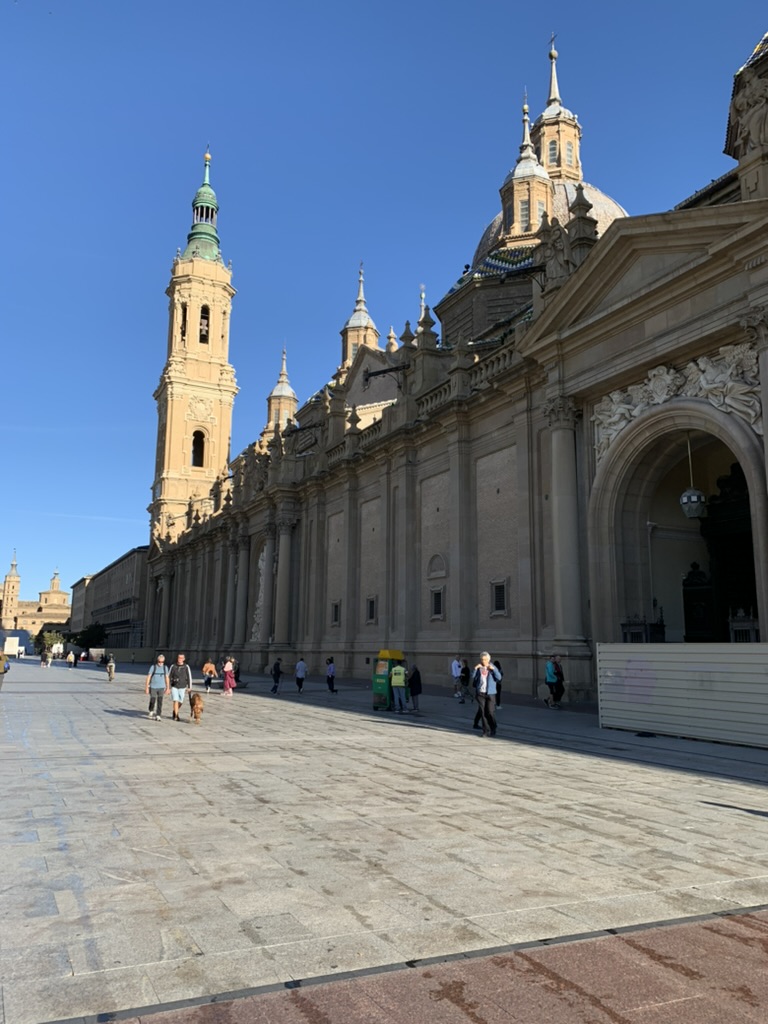
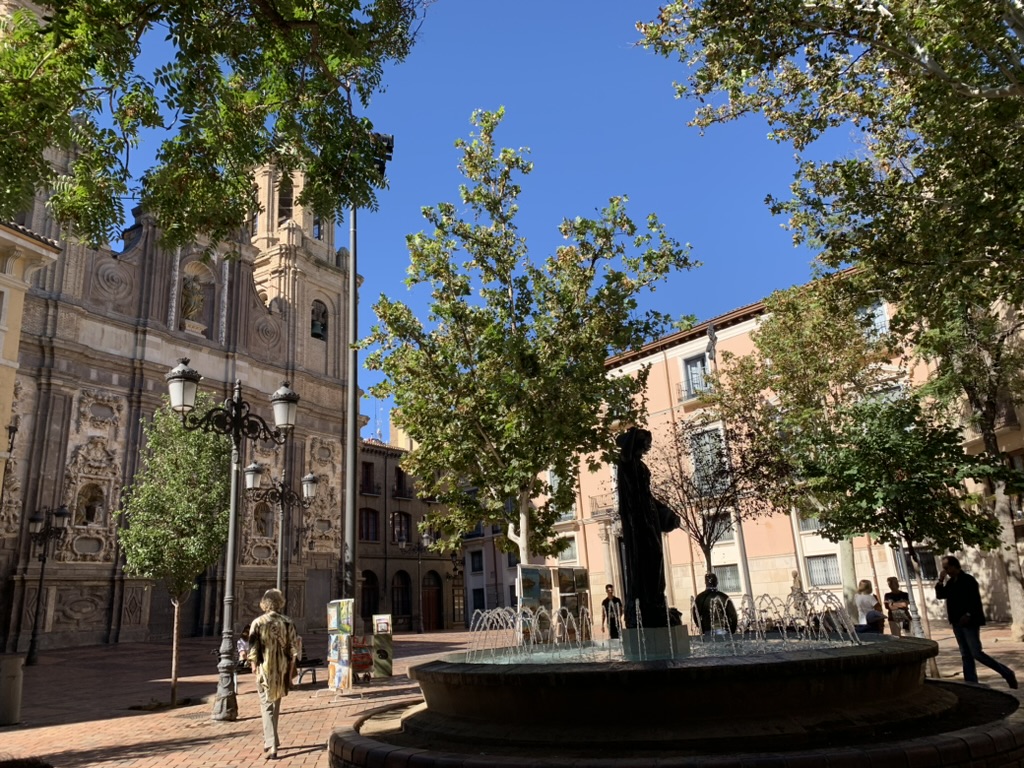
In the afternoon I visited the Museo Goya and an exhibition of etchings by Francisco José de Goya y Lucientes (1746-1828), the Spanish painter and graphic artist.

The Third of May execution was an indiscriminate killing of civilians by French soldiers in reprisal for a guerrilla attack the previous day. Goya’s painting of the massacre shows terrified civilians facing a firing squad.
I was particularly taken by this painting of the Virgin and Child by an artist whom I hadn’t heard of before Flamenco Antonimo.


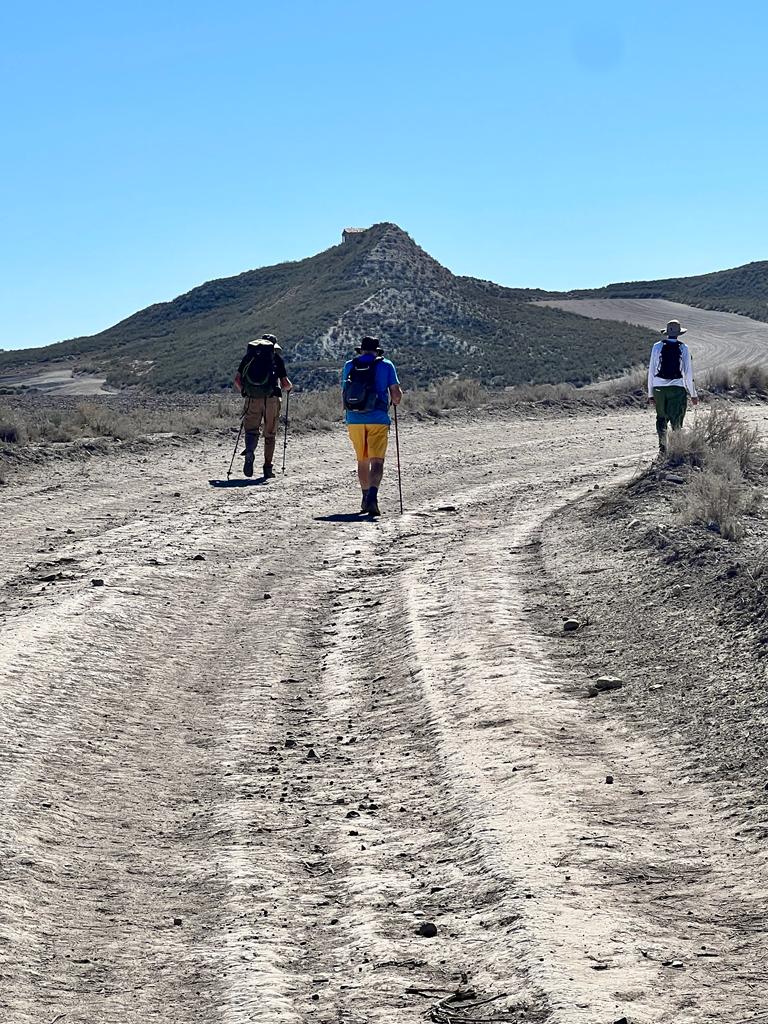
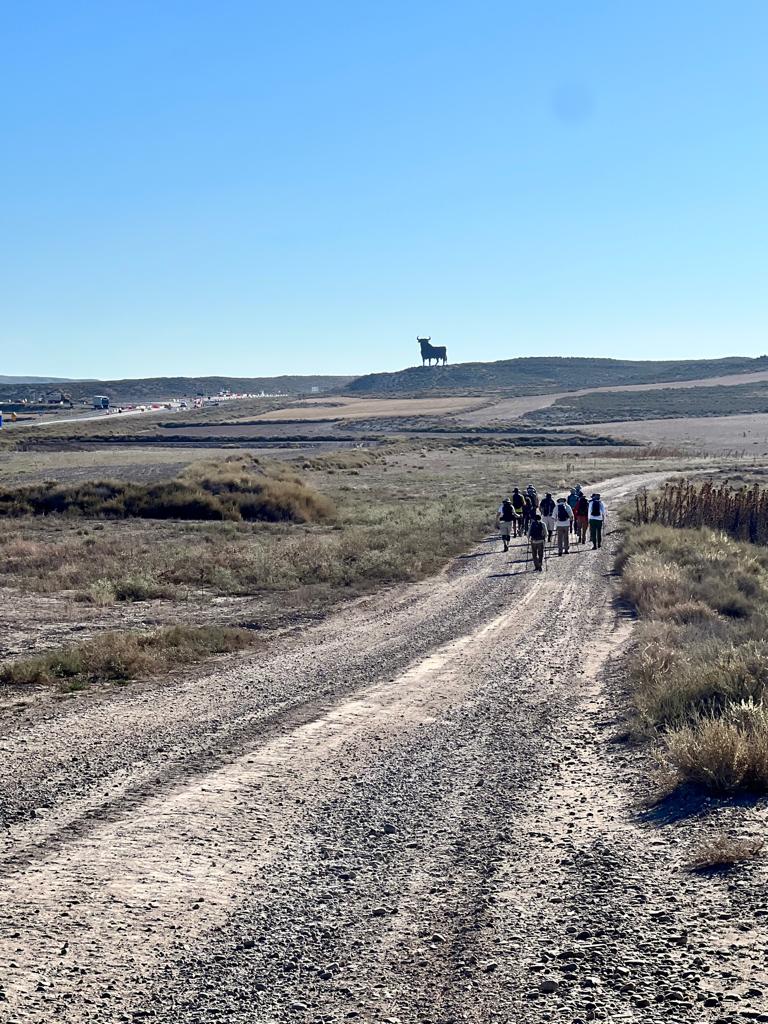
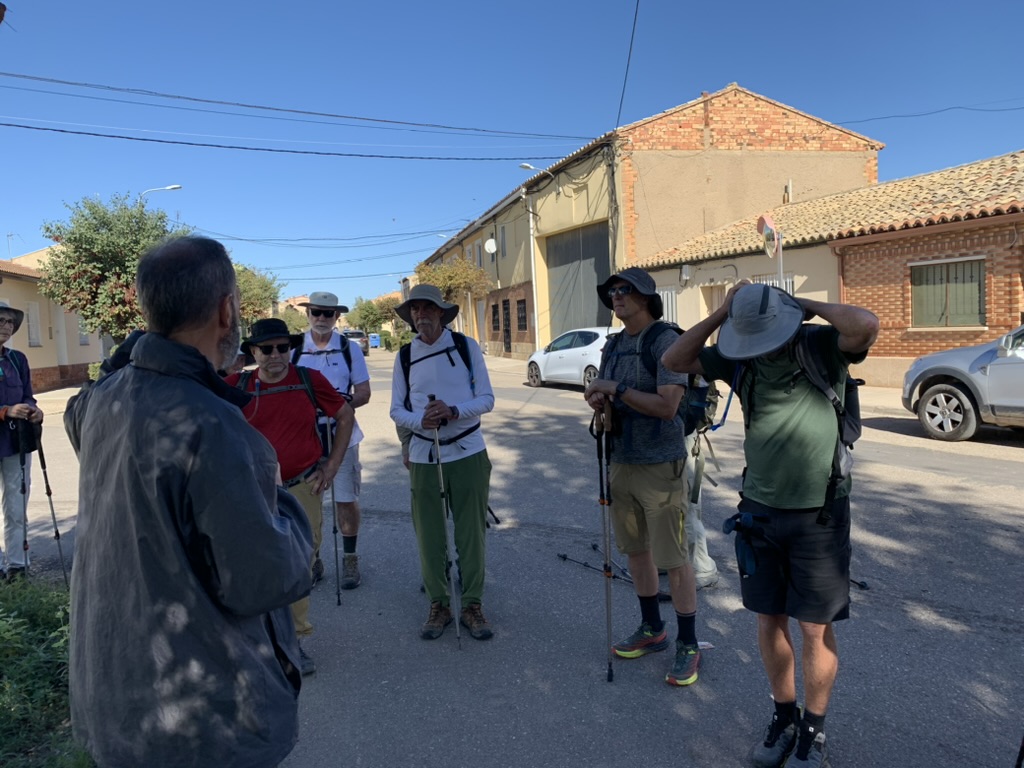
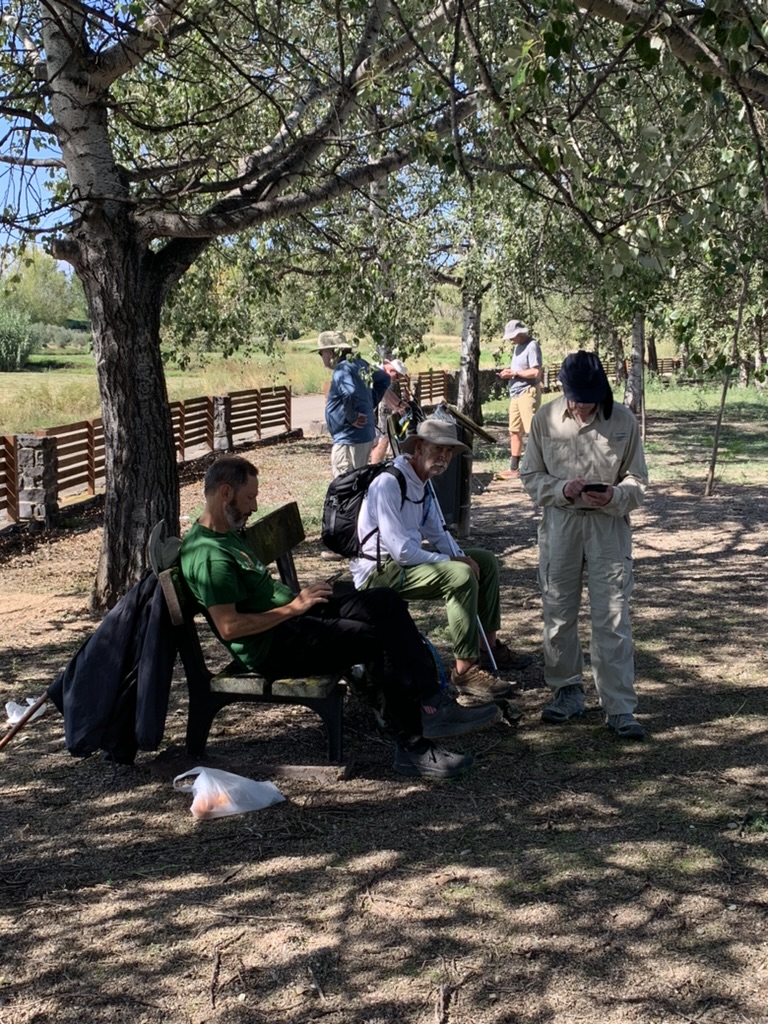
Today we took a private bus from Xavier to Luceni, then we walked for two hours the 8 kilometres to Cabañas. Then we took a private bus to the magnificent city of Zaragoza.






WHY IS IT THAT OUR CRIME RATE SOARS and our prisons are packed, and the rate of mental illness has soared to such an extent that the mentally ill now occupy one out of every six hospital beds? Dr Karl Menninger, psychiatrist and the founder of the famous Menninger Clinic, answers in Whatever became of sin? that our prisons and mental institutions are bulging because the modern man and woman cannot discover their sin. Menninger pleads that we again make the healthy discovery that we are sinners, because a sinner is one who says, “I am responsible for my unloving actions and I can change.” When we hurt ourselves or another, we have the choice of ignoring it and letting the destructive pattern continue, or of recognizing the evil and correcting it. Menninger lays out three options for altering a destructive pattern of behaviour:
It is healthy but difficult to discover our sin. One way to get in touch with our sinfulness—and especially that which we cannot forgive in ourselves—is to note where we overreact to others. Often we overreact to the evil in another because the evil is in us. As Jesus says in Matthew’s Gospel,
“Why do you look at the speck of sawdust in your brother’s eye and pay no attention to the plank in your own eye? How can you say to your brother, ‘Let me take the speck out of your eye’, when all the time there is a plank in your own eye? You hypocrite! First take the plank out of your own eye, and then you will see clearly to remove the speck from your brother’s eye.” (Mt. 7:3-5)
You might spend some time prayerfully considering where you overreact to others.
 Walking with Inigo — The Ignatian Camino