- Imagine that you are at a slide show. Watch as only pictures of the happy moments of your life appear on the screen. Breathe in once more the “yes” to your life that was in those moments.
- As your “yes” to your own life deepens, see if some moments appear on the screen that surprise you—moments which at the time seemed meaningless or which you couldn’t accept, but which you now see as gifts because of the good that has come from them. As you continue to breathe in your “yes” to the moments that you see on the screen, breathe out any feelings of failure or fear that your life has been meaningless.
- Thank God for the gift of your entire life and the way that all of it has meaning in God’s eyes.
Monthly Archives: September 2023
Three Blessings
Give thanks to the Lord, for he is good; his love endures forever (Psalm 106:1).
A Gratitude Deficit[1]
SAINT IGNATIUS OF LOYOLA THOUGHT that a particular type of ignorance was at the root of sin. The deadliest sin, he said, is ingratitude. It is “the cause, beginning, and origin of all evils and sins.” If you asked a hundred people to name the sin that’s the origin of all evils, I’ll bet none of them would say ingratitude. They would say pride or disobedience or greed or anger. The idea that we sin because we’re not sufficiently aware of God’s goodness probably wouldn’t occur to too many people. By emphasizing gratitude, Ignatius was saying something about the nature of God. God is the generous giver, showering us with blessings like the sun shining on the earth. If we truly understood this, we would return God’s love with love. We wouldn’t sin. Gratitude is a good word for this fundamental quality of our relationship with God. Ingratitude, our blindness to who God truly is, is thus the root of all sin.
Three Blessings[2]
The Three Blessings Exercise is intended to increase your gratitude, happiness, and well-being. It does this by a simple method of redirecting attention towards positive thoughts and away from negative thoughts. Human beings have evolved to spend much more time thinking about negative experiences than positive ones. We spend a lot of time thinking about what has gone wrong, what stinks about life, or how we aren’t stacking up. In the past, there may have been an evolutionary advantage to this way of thinking since it seems to be innate. However, for modern humans, this negative bias is the source of a lot of anxiety, depression, and a general lack of well-being. Luckily, by re‐directing our thoughts on purpose towards positive events, we can do a lot to correct this negative bias.
Method
This exercise is done each night before going to sleep.
Step 1: Think about anything good that happened to you today. It can be anything at all that seems positive to you. It need not be anything big or important. For example, you might recall the fact that you enjoyed the oatmeal you had for breakfast. On the other hand, you might also recall that you got a clear result from a medical test, or you had uninterrupted sleep. Anything from the most simple to the most exalted works, as long as it is a good, positive, happy thing.
Step 2: Write down these three positive things.
Step 3: Reflect on why each good thing happened. Determining the “why” of the event is the most important part of the exercise. For example, you might say that your oatmeal tasted really good this morning because your spouse took the time to go shopping at the local farmer’s market where they have fresh, organic oatmeal. Or, if you are a parent, you might say that your child took its first step today because God was pouring blessings down upon your family, or because your small daughter really wanted to get to some cookies on the table. You decide the reasons for each event.
Step 4: Thank God for the three blessings of your day.
[1] Jim Manney A Gratitude Deficit https://www.ignatianspirituality.com/a-gratitude-deficit/
[2] This exercise was created by psychologist Martin Seligman. He is considered to be an expert on depression and happiness, has been called the “father of Positive Psychology,” and is one of the preeminent psychologists of the 20th century. He is also the director of the Positive Psychology Center at the University of Pennsylvania. The Three Blessings Exercise has been clinically demonstrated to be effective.
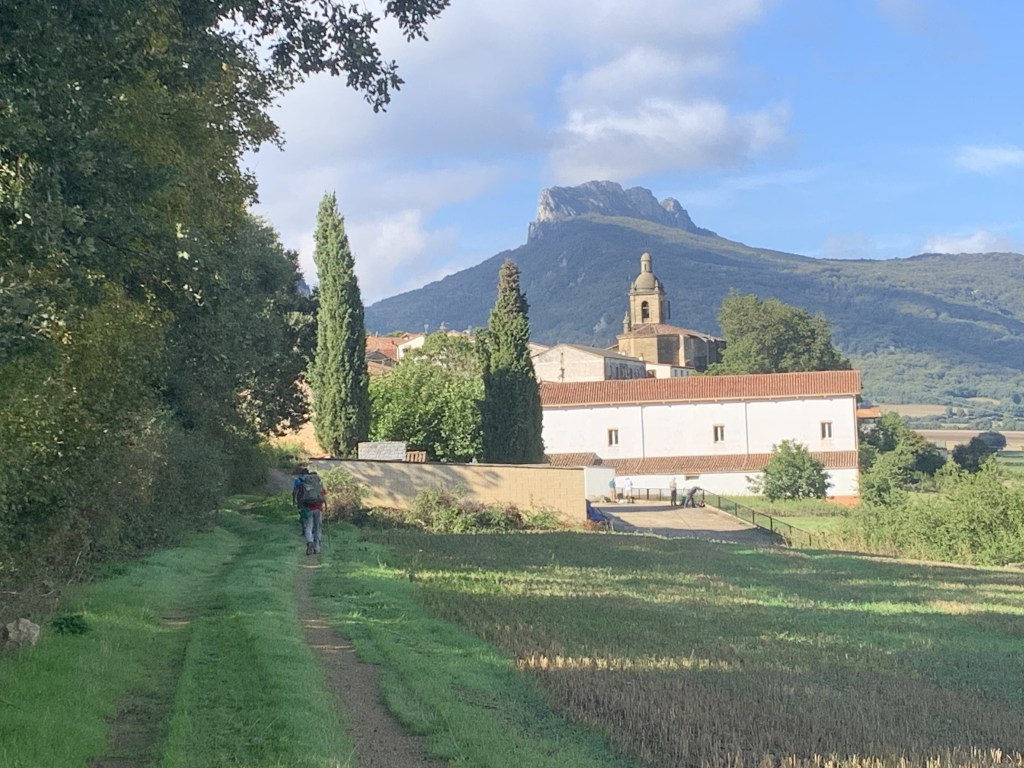
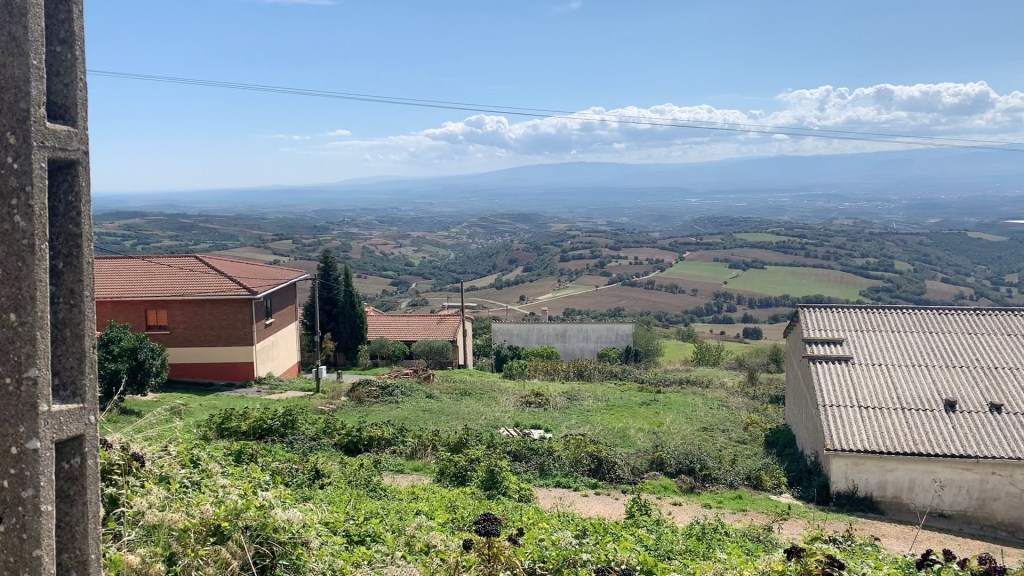
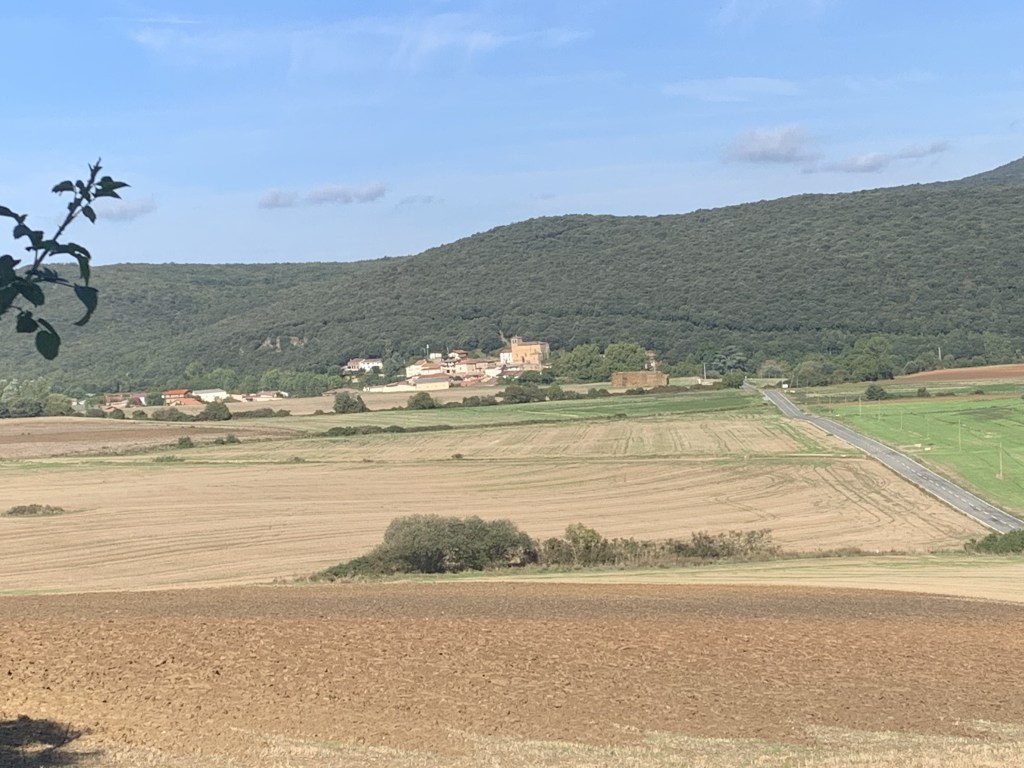
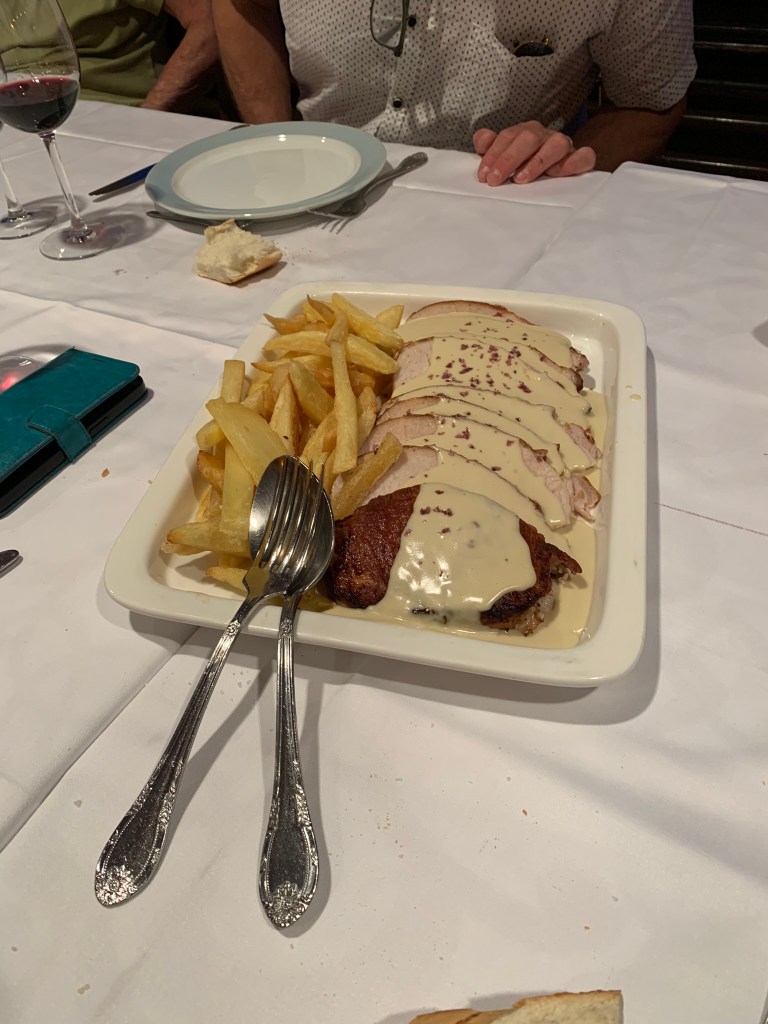
Day 5: Santa Cruz – Kripán – Laguardia
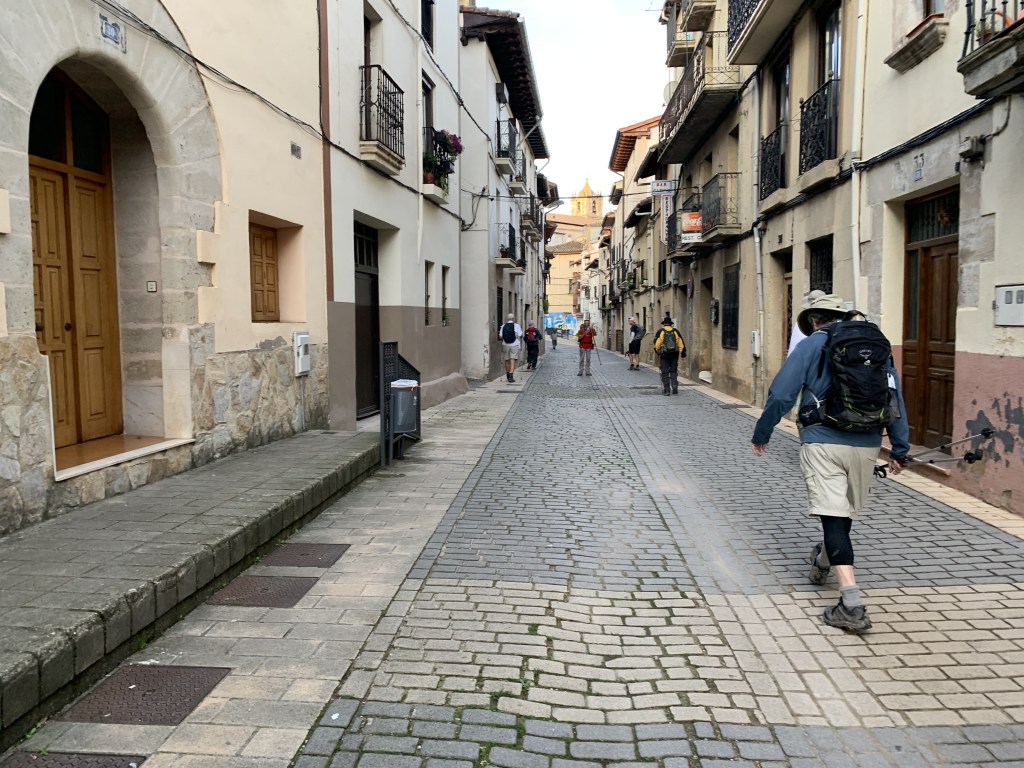
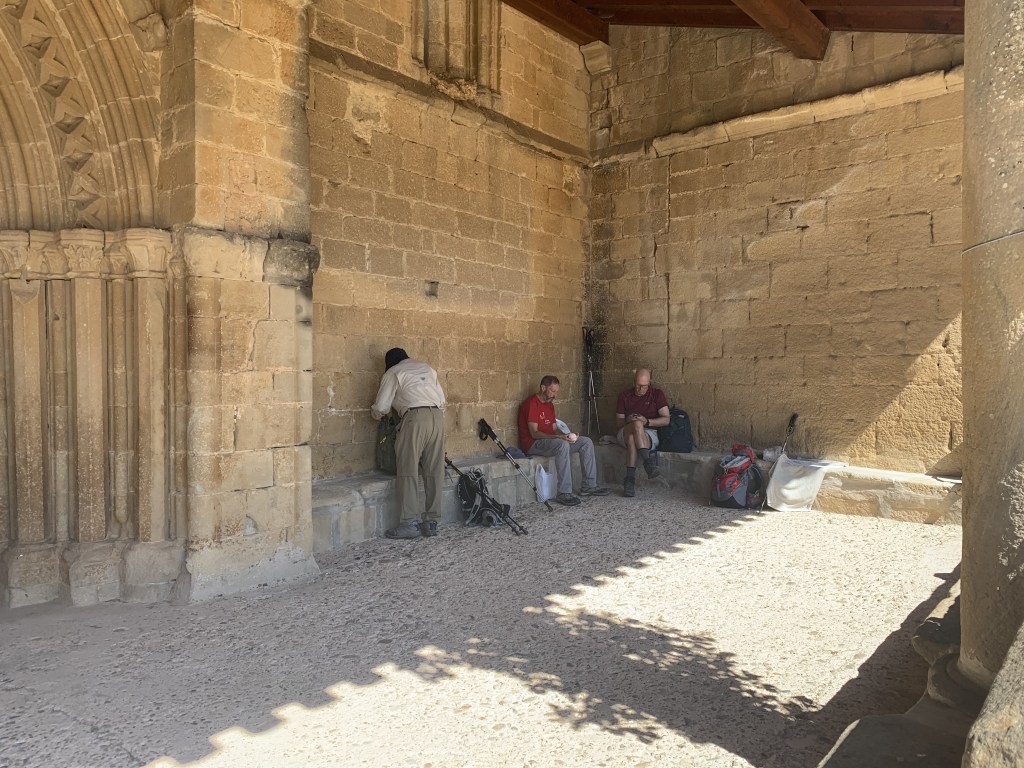
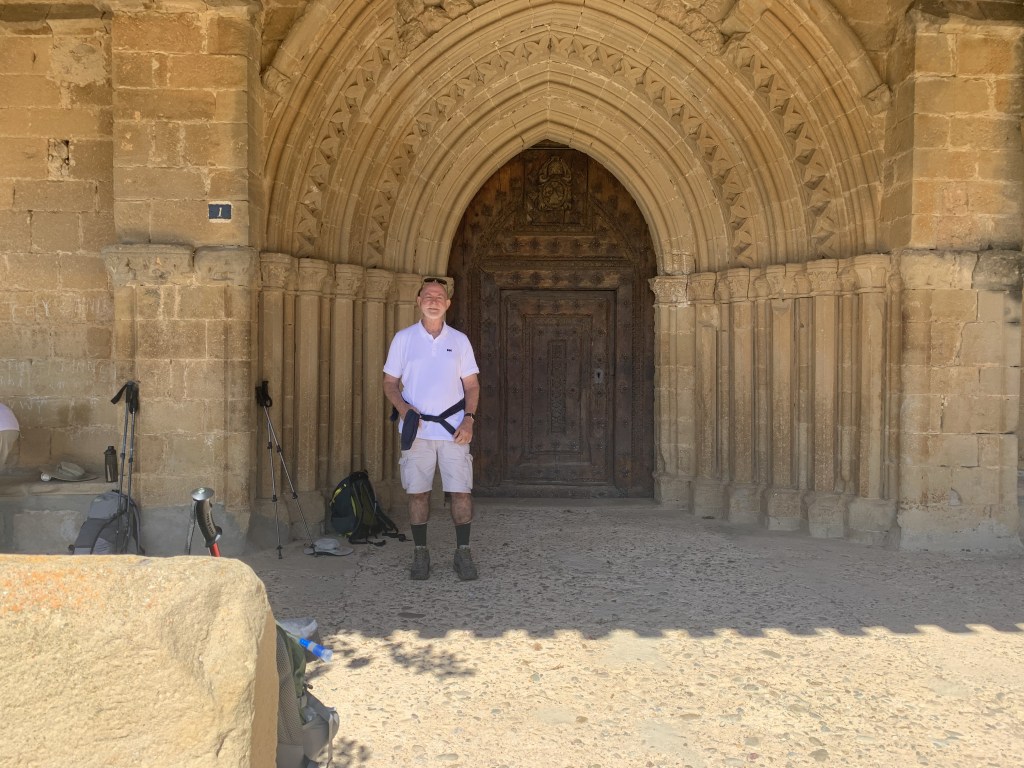
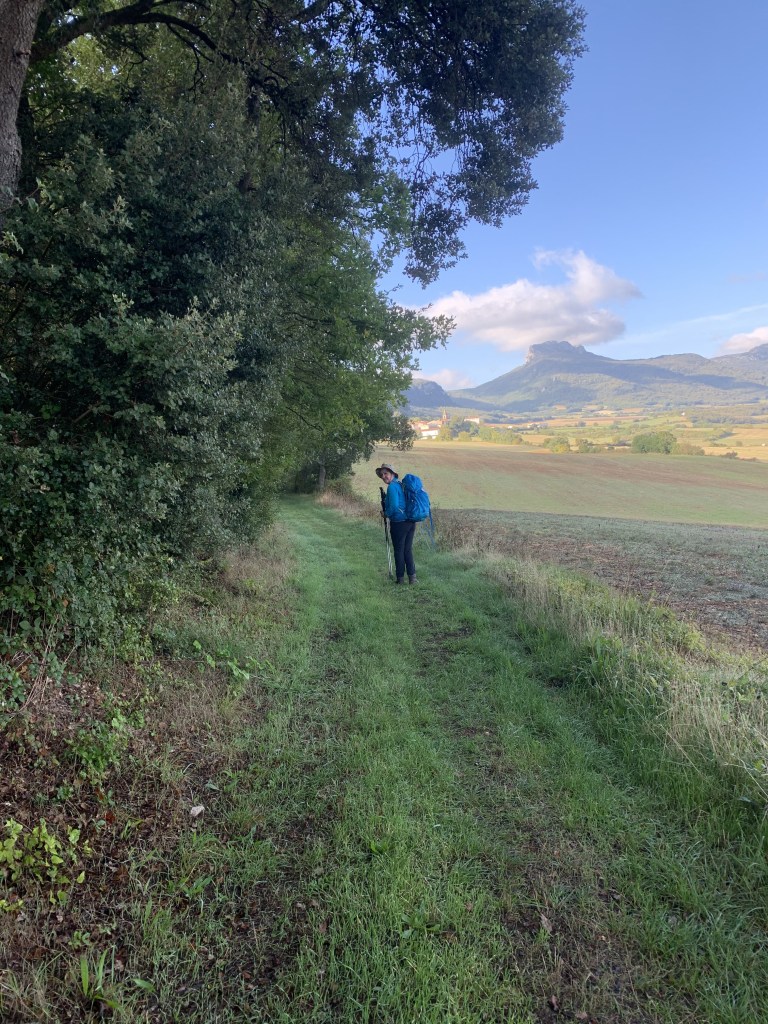
Today was our third day of steep ascents and descents. It was a tough day.




The Prayer of Sheer Silence
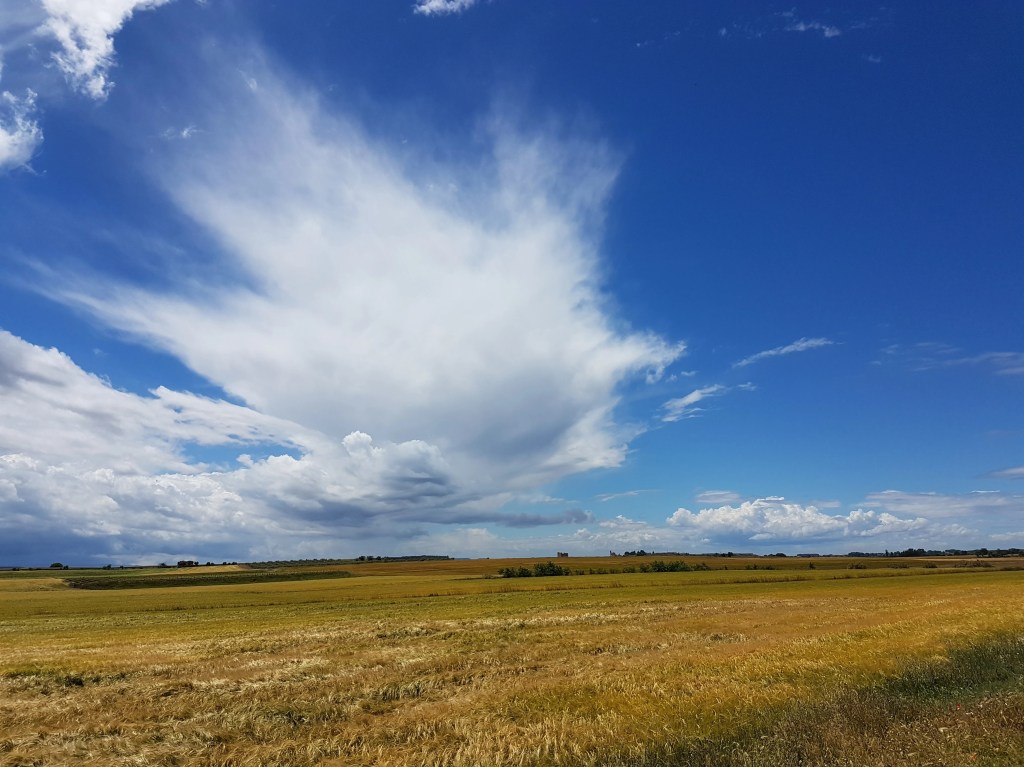
IN THIS PRAYER I OFFER MYSELF TO GOD IN SILENCE. I silently show my willingness to be transformed more completely into the image of God in which I am created. I acknowledge that God is beyond my human knowing. I enter into the presence of God with my deepest self, as I am right now, acknowledging that God matters above everything else.
Scripture 1 Kings 19:10-12
(The angel said to Elijah), “Go out and stand on the mountain before the Lord, for the Lord is about to pass by.” Now there was a great wind, so strong that it was splitting mountains and breaking rocks in pieces before the Lord, but the Lord was not in the wind; and after the wind an earthquake, but the Lord was not in the earthquake; and after the earthquake a fire, but the Lord was not in the fire; and after the fire a sound of sheer silence. When Elijah heard it, he wrapped his face in his mantle and went out and stood at the entrance of the cave.
The practice of the Prayer of Sheer Silence
- You begin by invoking the presence of God: “In the name of the Holy One who creates, restores, and makes whole.”
- You are invited to become aware of the silence and enter it as Elijah did.
- It might help to become aware of your breathing for a while.
- Now reflect on the presence of God in the atmosphere around you. Reflect on God’s presence in the air you breathe in and out. Notice any feeling that arises as you imagine yourself breathing God in and out.
- Now express yourself to God but see if you can do it non-verbally.
- As you walk the Ignatian Camino today, see if you can enter into, and perhaps surrender to, the silence.
The Joyful Mysteries of My Life
RELIVING YOUR MEMORIES can be a method of prayer. It is called the prayer of reminiscence. If you wish to do the prayer of reminiscence, find a comfortable spot where you won’t be disturbed, relax and become centred before you begin. Read through the prayer first before you begin and then put the sheet aside. Spend around 10-15 minutes on a particular memory and then move on to another.
The prayer of reminiscence is very simple: allow your consciousness to wander to any memory that seems important at the present. After asking the guidance of the Spirit, seek to understand this memory and explore ways in which this has affected you. To jog your memory, you may like to consider some of the following:
- Mount the stairs of the home in which as a child you lived longest; go in the front door, walk through the living room with all its old furniture, through the dining room ready for a meal, through the warm kitchen smelling of tasty food and out the back door; or be present at a family meal; or
- Take the short cut across the yard, past the shops, to your primary school; or
- Walk through the classrooms of your secondary school; see the playing fields, your friends, the teachers; or
- Walk leisurely through a day or a week of the first job which you ever held, or your first day at university.
- Recall the place where you first met some of your closest friends.
When a memory arises, let it develop fully. Go with a memory which attracts you. Don’t hurry through it. Stay with a strong memory for 10 to 15 minutes—as long as it develops in you. But don’t moralise about it. Don’t say to yourself: “I should have been more…” Then move on to another memory.
The four stages of the Prayer of Personal Reminiscence
There are four stages to the Prayer of Personal Reminiscence. In the first two stages you consider only those stories that are a source of happiness and joy. These stories are a form of prayer that can fill you with a sense of God’s love for you through others and strengthen you to look at the hard things of your life later.
The First Stage is to consider only those memories in which people do good for you and to you.
The Second Stage is to consider only those memories in which you have poured goodness into the lives of others and helped them to love and become more human. For example, encouragement you have given; listening you have done; letters you have written; people you have helped. This is not vanity but an honest looking at your ability to do good. Stay with this for as long as you can.
The Third Stage: Once you feel secure in the love God has shown to you through others, then it is time to look at the memories of the injustices that have been done to you. It is hard to admit that we have been hurt deeply by those whom we love the most. We are inclined to suppress such memories, but they still operate and can make us unfree.
The Fourth Stage: Then, finally, you look at the hard things which you have done to others in your life — lack of acceptance, failure to listen or inability to understand, hardness in your heart which you’ve passed on to others. This entails looking at where you have been unjust to others. The great freedom to be searched for here is that God loves you as you are even when you have been in the wrong.
Praying about a moment of my life history
Scripture (Deuteronomy 1:29-32)
“And I said to you: Do not take fright, do not be afraid of them. Yahweh our God goes in front of you and will be fighting on your side as you saw God fight for you in Egypt. In the wilderness, too, you saw God: how Yahweh carried you, as one carries a child, all along the road you travelled on the way to this place.”
Imaging
With Deuteronomy 1:29-32, I imagine myself on a journey with the Lord as my companion throughout my life. I pay special attention to the blessed moments of my life.
The grace I seek
I want and desire to be present to and know my life story as it is lovingly told by God that I may more generously love and respond to God.
Points
- I consider my history in terms of the blessings of my family background, childhood, school years, work years, my growing sense of God, my mission.
- I remember different persons, places, situations and the historical state of the world at the different times I am remembering.
- After this time of remembering I ponder the continual presence of God with me during these years.
Personal reflection
Take one key moment of your life and ponder it. Re-live the event by seeing the persons, hearing the words, observing the actions. Can you discern elements of your unique identity, vocation, mission that shone forth in that moment?
The Joyful Mysteries of my life[1]
Saint Paul writes: “Three things last, faith, hope and love, and the greatest of these is love” (1 Corinthians 13:13). The love that we have experienced in the past lasts and is, in some mysterious way, an enduring expression of God’s love. It can continue to nourish us. Each of us carries in his heart an album of lovely pictures of the past. Here is a way of entering deeply into your joyful memories:
Return to a scene in which you felt deeply loved… How was this love shown to you? In words, looks, gestures, an act of service, a letter…? Stay with the scene as long as you experience something of the joy that was yours when the event took place.
Make sure that you don’t just return to these scenes and observe them from the outside, so to speak. They have to be re-lived, not observed. Act them out again. Let the fantasy be so vivid that it is as if the experience is actually taking place right now for the first time.
It won’t be long before you experience the spiritual and emotional benefits of this exercise. You will become less resistant to accepting love and joy from your community, your friends and the people you work with. And your capacity for experiencing God and God’s love will also increase.
Questions to reflect on and write about after the prayer:
- What happened in the prayer?
- What moved you?
- Did you experience any spiritual and emotional benefits in this exercise?
[1] This prayer exercise is from Anthony de Mello’s book Sadhana— a way to God. Anand, India: Gujarat Sahitya Prakash, 1988.
Day 4: Eguino — Ullíbarri — Santa Cruz
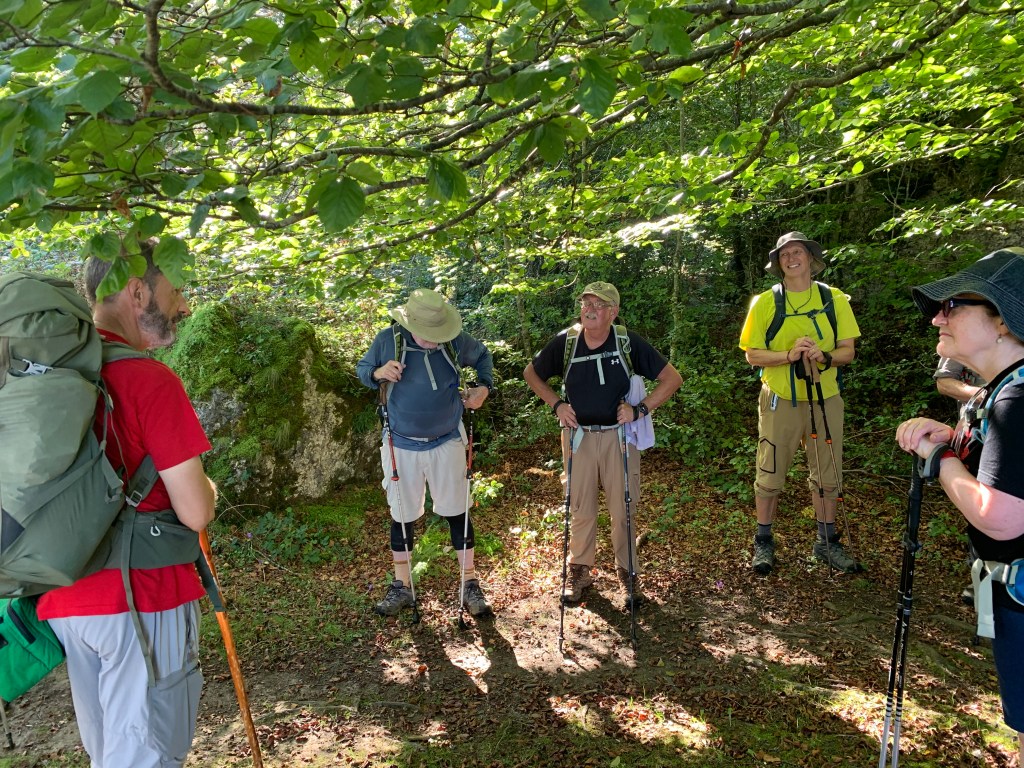
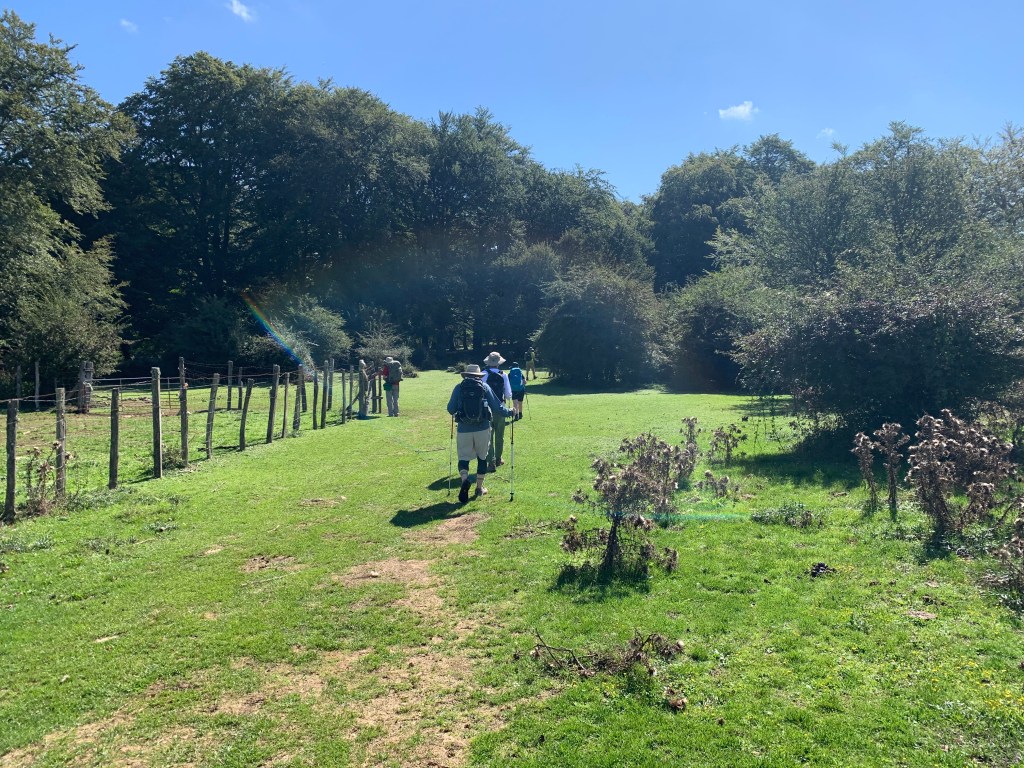
Today was another hard day of climbing up a mountain range and descending the other side. The view from the top made the effort worthwhile.


My God-given “Name of Grace”
IT IS HELPFUL TO UNDERSTAND THE DYNAMIC of your God-given Name of Grace in terms of its three interconnected elements: Identity —> Vocation —> Mission.[1] The starting point is identity and its connection with story. Each of us constructs and lives a narrative. The rough and perpetually changing draft of the autobiography you carry in your mind shapes your life. This narrative is you, your identity. Like most people you tell stories about yourself. The ‘self’ is a storyteller. In telling these stories to others you may, for most purposes, be said to be performing straightforward narrative actions. In saying that you also tell them to yourself, however, you are enclosing one story within another. This is the story that there is a self to tell something to, a someone else serving as audience who is yourself or your self.
The Ignatian Camino is a time to stop telling yourself your own story. Since the day you were born, your mother, father, maybe the teachers at school, your friends, everybody, without your even asking, have told you who you are and what you should be. They will tell you your story. Before long, you begin to believe these stories. Unknowingly you say, “This is my story. This is who I am.” The Ignatian Camino is a time to stop telling yourself your own story and to go through this process of Identity —> Vocation —> Mission to find your real story. The reason why you stop telling yourself your story is because you want God to tell you your story. This requires silence, openness and listening on your part.
Your true story. Only God knows your true story. Do not let other people tell you the story of who you are and what your identity is. God knows your identity. God gave it to you. Listen, and God will tell you your story. If there is something in your life that bothers you, tell God about it. Whatever you do, keep it relational with God. No matter what the issue, and how much it may be getting to you, don’t focus on that. Focus instead on your relationship with God, and bring your concern into that relationship.
You get your identity in the presence of the Word of God, by listening to the Word of God. It is true your mother and father told you about God and that is part of the “word”, and you went to school and the teachers told you, or you had religious education classes, or a picture book that tried to tell you your story. Those early experiences come into it. Then one day you say, “This is who I really am before God. I believe now, not because my mother does, or my father, or my family, but I believe. You don’t have to tell me.”
The Ignatian Camino is a time when you try to understand your story from God’s perspective. It is as if God enters into your life and says, “Listen”. This is not a whispering in the ear. It is a realization coming from your presence to the Word of God. It is a realization of God’s breaking into your life This is Name of Grace, a calling. Identity —> Vocation —> Mission. God wants you to go on mission, to help Him build the Kingdom.
Identity. The process begins with identity: Who am I as a person? What identity has God given me? Then comes vocation, a calling. When you speak of “vocation”, you are not necessarily talking about a religious vocation. God calls everyone to holiness. God says, “You, come. Come here.” In Scripture when God calls, He often symbolises that call by changing the person’s name: Abram becomes Abraham; Saul becomes Paul; Simon Bar-Jona becomes Cephas, the Rock. There is a change in name. God calls you by your name. He says in Isaiah 43, “I have called you by your name, you are mine.” Your response is, “Here I am. Send me.”
Vocation. To follow that call you may have to walk “through towns and villages” (Luke 13:22). You are going around that circle: Identity —> Vocation —> Mission. Vocation also has about it the notion of “with others”. In communion with whom? Who are going to be my companions, my friends, my colleagues? Vocation always has the notion of contextualizing how one’s life is going to be lived out, with what people, where, and with what concerns. That is part of vocation. You follow that vocation, and the vocation becomes mission. Your walking “through towns and villages” to follow a calling or vocation is the mission.
Mission. The notion of mission can profit from some explicit reflection. In the church of the Gesu of the Society of Jesus in Rome is a marvellous picture of St. Francis Xavier kneeling at the feet of St. Ignatius. Ignatius is pointing off to the far reaches of the Indies and saying, “Go and set everything on fire.” Ite incendite et flammate omnia. Notice it is in the plural. Ignatius is saying it to Francis and to the Holy Spirit. That makes great art: Go and set everything on fire! It is great art, but poor theology.
Mission is never “Go”; mission is always “Come”. God never says to anyone, “I am here. You, go there.” God says, “I am here. Come here.” Those persons who live under obedience or who are the superiors of those who live under obedience should take note of the theology of mission.
Obedience. For true obedience there has to be a dialogue so that the one who gives the mission is content and the one who is missioned is content that he is going where he can find God and is called by God. One does not go where one cannot find God. Someone who is going to the inner city to bring God to the inner city had better not go. If they do not know that God has been there in the inner city for a hundred years before they ever thought of it, they should not go. If they are going to meet God there, that is fine. The same is true for someone going to the foreign missions. If someone is going to the foreign missions to bring God to some God-forsaken place, he had better not go. There is no God-forsaken place! God has been there thousands of years before anyone ever got the idea of going there “on mission”.
The discerning dialogue between a superior and a person-to-be-sent has to uncover the presence of God there; and both have to have possession of that grace, that ability to find that God is there already.
In the process of Identity —> Vocation —> Mission, often one of those aspects of your life with God will shine very brightly and throw light on the other two. Sometimes one or the other or two of them will be dim. I may not really know what my vocation is, nor do I know what my mission is, but my identity is shining very brightly and casting light on vocation and mission. Sometimes the mission will be very bright and the identity will have grown dim and vocation may have grown dim also. Mission will cast light on identity and vocation. You will go around that cycle many times in your life: Identity —> Vocation —> Mission —> Identity —> Vocation —> Mission —> Identity —> Vocation —> Mission —> Identity —> Vocation —> Mission.
Name of Grace. You learn and gain insight as you go through this cycle many times. You begin to know and become aware of your Name of Grace. What is your Name of Grace? Each person has a very specific, unique and individual Name of Grace. God has related with no one ever before, nor will God ever again relate with anyone in precisely the same way that God relates with you. You have your very personal, individual, unique relationship with God. God calls you by your name. “I have called you by your name” (Isaiah 43:1). That name is not just Tom or Jim or Peter or Michael. That name is an ontological calling: being called into existence, into relationship with God.
Examples of Name of Grace. There are many interesting, but very different examples of “Names of Grace” in history. St. Francis of Assisi, for instance, Il Poverello, “God’s Little Poor Man”, had a very specific Name of Grace. That is what Francis was to reflect to the world: that aspect of God that could somehow be symbolised by Francis being Il Poverello, God’s Little Poor Man. St. Therese of Lisieux, the Little Way, is another very discernible Name of Grace. The “Little Way” was St. Therese’s way, her “Name of Grace”, her identity and vocation and mission.
A very interesting Name of Grace was that of St. Robert Cardinal Bellarmine, a priest of the Society of Jesus. He was not just a very brilliant man, but also a true genius. The Pope wanted him to become a cardinal. The Society of Jesus said, “No, we would rather not.” The Pope said, “Yes,” and the Society said, “No, we would rather not.” Finally, the Pope put his foot down and said, “The Church of God has not his like in learning. He will be a cardinal.” And so it came to pass. He became a cardinal. As cardinal this very brilliant man, a man of genius, had a palace. He had a coach and four horses to take him around Rome. He ate good meals. He had butlers and housemaids and cooks; and he had quite an extensive personal library, which was quite unusual for that time. Books were enormously expensive; most of them were still scribed. He moved in a certain echelon of society because he was a cardinal.
Things that were fitting for St. Robert Cardinal Bellarmine would not at all be fitting for Il Poverello, God’s Little Poor Man. Robert and Francis knew that. Certain things did not fit their Name of Grace. Francis slept on a mat. Robert Bellarmine slept in a palace in a nice bed. Francis ate what he could beg. Robert Cardinal Bellarmine had good meals prepared for him. If they were alive today, Robert Cardinal Bellarmine would probably have at least a top of the range Ford; and Francis, God’s Little Poor Man, would possibly have a push bike with no gears.
It was not just in material things that their lives were very different. Bellarmine was a truly learned man of genius; it is possible that Francis of Assisi could not read or write. He was certainly not a learned man. Certain things were fitting to their Name of Grace: the way they prayed, the way they thought, the way they talked and so on. They came to know their Name of Grace. Francis could tell immediately that the coach and four horses did not fit his Name of Grace. Bellarmine could say, “Yes, I have to have my library. That fits my Name of Grace.” Both were great saints; yet both were very different. Different though their lives were, they were both great saints because they were faithful to their Name of Grace. During this camino my hope is that you will come to come to know your God-given Name of Grace.
Discernment. Apostolic spirituality is a spirituality of choice at the level of faith, a spirituality of decision-making. To make good decisions you have the process of discernment. Discernment is an experiential knowledge of self in which the object of choice is congruent with your fundamental religious orientation.
Let me unpack that phrase. It is an experiential knowledge of self. It is not head knowledge, a conceptual knowledge, but it is an experience, as the Scripture means knowledge when it says, “a man KNEW his wife.” He had a deep experience of his wife. An experiential knowledge of self may be comparable to what a woman goes through when she is going to a dinner-dance. She opens her closet, looks the dresses over, and says, “It is that one.” She knows. That is what fits. That is experiential knowledge. There are many objects of choice. Will I study for a Masters degree in Counselling? Will I become fluent in Spanish? Will I accept a position in Fiji? Will I train as a spiritual director? Whatever the choice to be made is, it must be congruent with your fundamental religious orientation.
Your fundamental religious orientation is your Name of Grace. A good decision fits with your Name of Grace. It is “experiential knowledge of self in which the object of choice is congruent with your fundamental religious orientation.” The decision and how you understand yourself before God fit. They come together. You are comfortable. Your head, heart and faith are saying the same thing. It is energising.
If you come to know and have insight into your Name of Grace, you will find that you use it to make good decisions. You can say, “This decision fits with my Name of Grace.” It fits with your fundamental religious orientation, your unique individuality before God. Discernment of that truest and deepest self is the authentic, the most profound and radical meaning of the “Election” which is the goal of the Exercises. The authentic meaning of the Election in the process and dynamics of the Ignatian Exercises is a becoming aware in growing inner freedom of God’s personal design or plan for me so that I can accept it profoundly in my life to live it out faithfully and generously. You may never get to the point where you can say your Name of Grace in twenty-five words or less, but you may get a sense of it and a sense of how to make decisions: discernment is experiential knowledge of self in which the object of choice is congruent with your fundamental religious orientation. Hopefully during this Ignatian Camino your Name of Grace will be raised to consciousness, and you will be better able to see how God is calling, identifying and missioning you.
[1] George Schemel and Judith Roemer. Beyond Individuation to Discipleship: A directory for those who give the Spiritual Exercises of Ignatius, University of Scranton: Private Printing.
Day 3: Arantzazu – Araia – Eguino
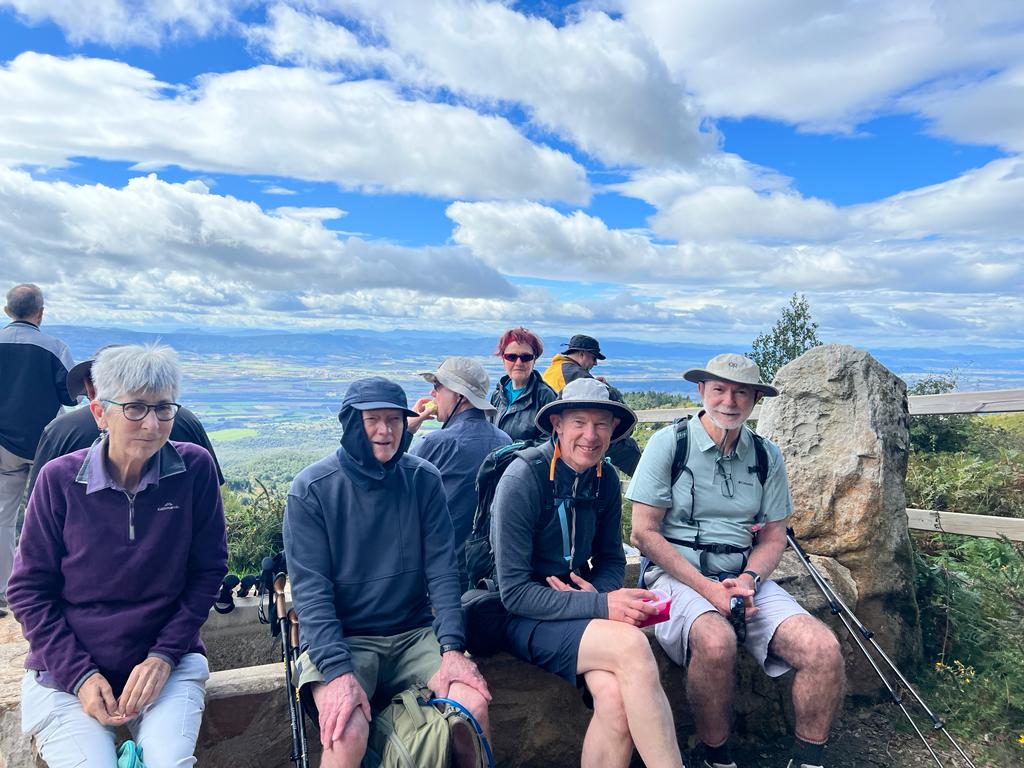
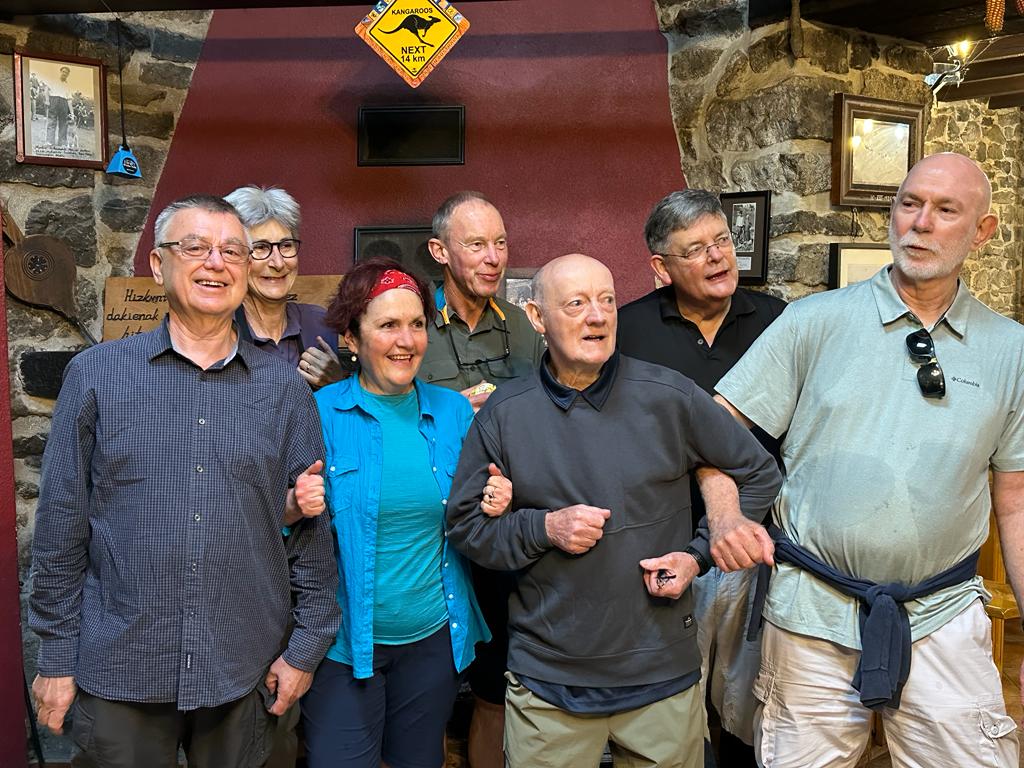
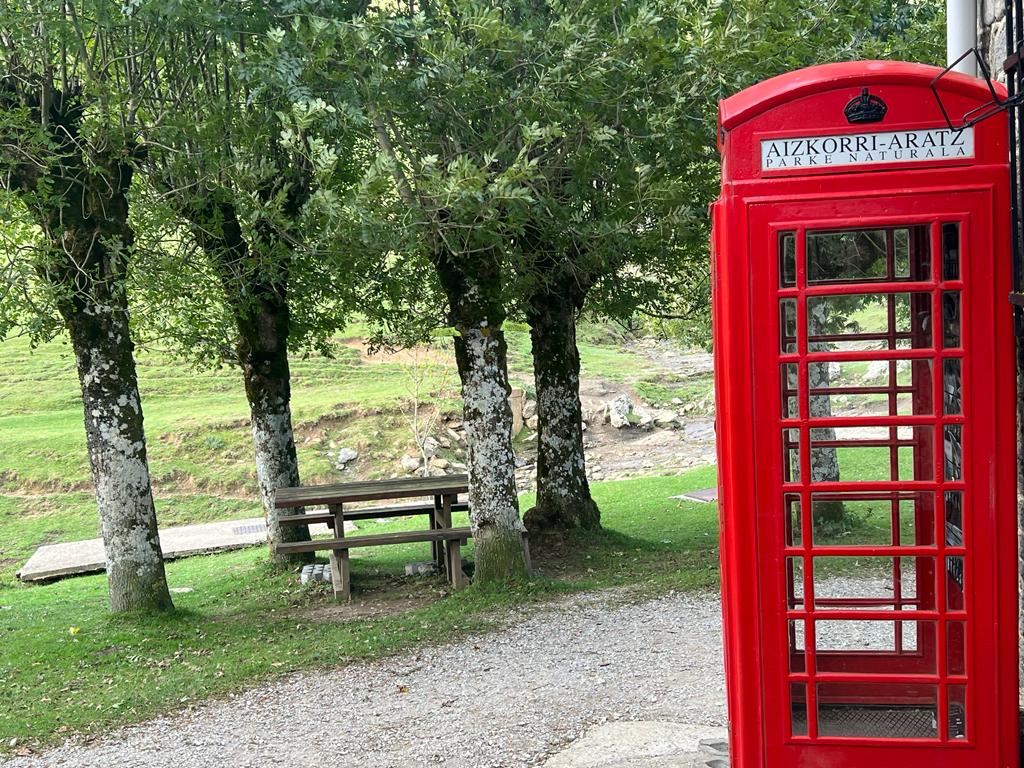
This morning we left Arantzazu at 8:30 AM. It turned turned out to be a very long and tough day. We finally arrived at Eguino just before 6 PM. The first 2 hours were spent climbing a mountain. At the top we stopped at the shelter of Urbia where we had coffees in the bar at the shelter. One of the barman was also a shearer and he told me that he is about to leave the Basque Country for Taumarunui, New Zealand, where he will work for six months as a shearer.



My Principle and Foundation[1]
EARLY IN HIS SPIRITUAL EXERCISES IGNATIUS INVITES US TO REFLECT on the Principle and Foundation, which we will do now.
God freely created us so that we might know, love and serve him in this life and be happy with him forever. God’s purpose in creating us is to draw forth from us a response of love and service here on earth, so that we may attain our goal of everlasting happiness with him in heaven. All things in this world are gifts of God, created for us, to be the means by which we can come to know him better, love him more surely, and serve him more faithfully. As a result, we ought to appreciate and use these gifts of God insofar as they help us towards our goal of loving service and union with God. But insofar as any created things hinder our progress towards our goal, we ought to let go of them. In everyday life, then, we should keep ourselves indifferent or undecided in the face of all created gifts when we have an option and we do not have the clarity of what would be a better choice. We ought not be led on by our natural likes and dislikes even in matters such as health or sickness, wealth or poverty, between living in the east or in the west, becoming an accountant or a lawyer, and so on. Rather, our only desire and our one choice should be that option which better leads us to our goal for which God created us.
My Principle and Foundation
This prayer will help me to tap into the big desires of my heart, starting with the desire to praise, reverence, and serve God our Lord and to have Jesus as my intimate companion. My prayer time should be grounded in my longing to be with Christ—to love him, to praise him, to serve him.
- In prayer, I will recall my early experiences of Christ calling me to His side and of my responses to that call. I will prayerfully remember the moment I committed my life to Him in some concrete way, through moments of conversion, through a retreat or religious ceremony that moved me, through receiving one of the Sacraments for the first time, through setting out to accomplish a momentous life goal such as learning a particular trade, through committing my life to my spouse or professing vows in a religious order. I sit quietly and relish these memories. I gratefully praise and reverence God for these life-changing moments.
- Steeped in gratitude for God’s mercy and call, I will ask myself the BIG life questions: What is the purpose of life? What is the purpose of my life? What is it that gets me out of bed every morning? When I am old and near death what sort of life would I be proud and happy to look back on?
- Perhaps two or three words or phrases will arise as I ponder these big questions, words like service, love, family, loyalty, God’s glory, ultimate sacrifice, affirmation, saying yes, new beginnings, change for the better, fatherhood/ motherhood, brotherhood/sisterhood, single-minded, true friend, faithful spouse, devotion, and so on.
- I will take these words and phrases and will set down my own Principle and Foundation, my own Mission Statement. With paper and pen I will articulate what I believe is my reason for being. I will begin as Ignatius did, setting down the purpose for which God has created me. I will write, “God has created me to….”
- I will move from this most basic statement to more particular and concrete vocations. In my own Jesuit life, for example, I would begin with expressions of love and service to God and then move to my particular life vocations: the Jesuits, the priesthood, writing, teaching, the formation of youth and beginners in religious life. If I were a layperson, I might begin with expressions of love and service of God and then move to my vocations as spouse and parent. My vocation to provide for my family leads me to my work as a lawyer. My vocation to teach my children the Faith leads me to my vocation as church member. And so on. For each of these vocations I will recall the moment God called me and the moment I said yes. Then I will articulate each of these vocations just behind my “God has created me to…” statement.
Writing in your journal “God has created me to…
[1] This prayer is taken from the book, God’s Voice within: Ignatian Intuition in Everyday Life by Mark E. Thibodeaux, SJ.
Day 2: Loyola-Zumárraga
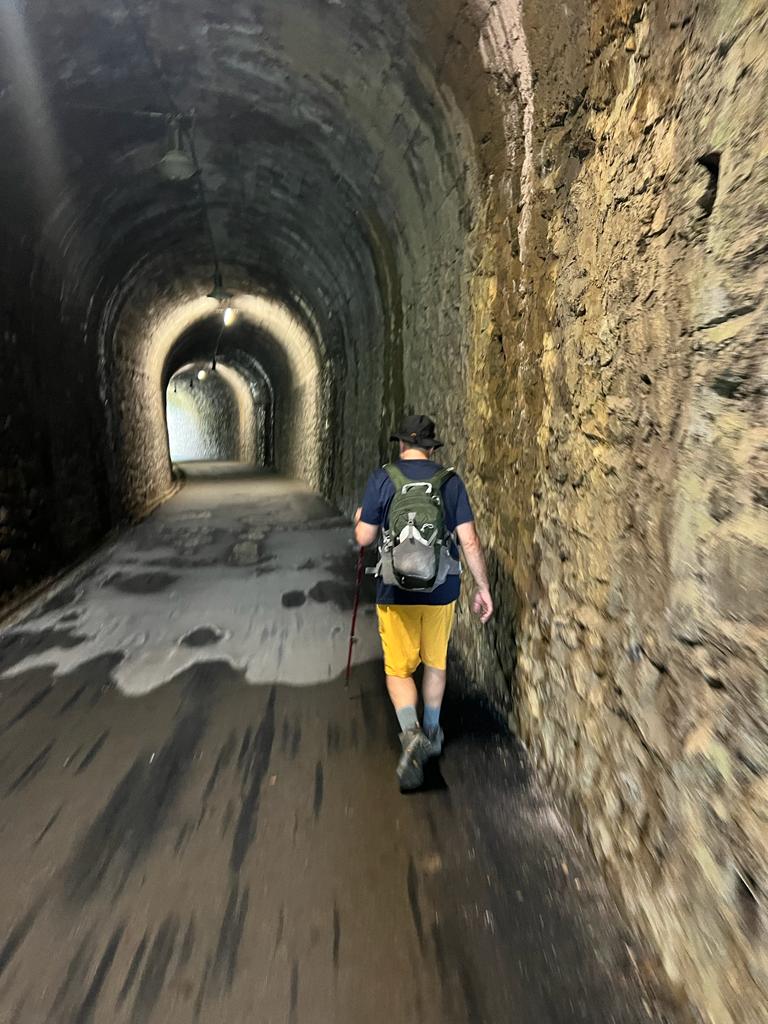
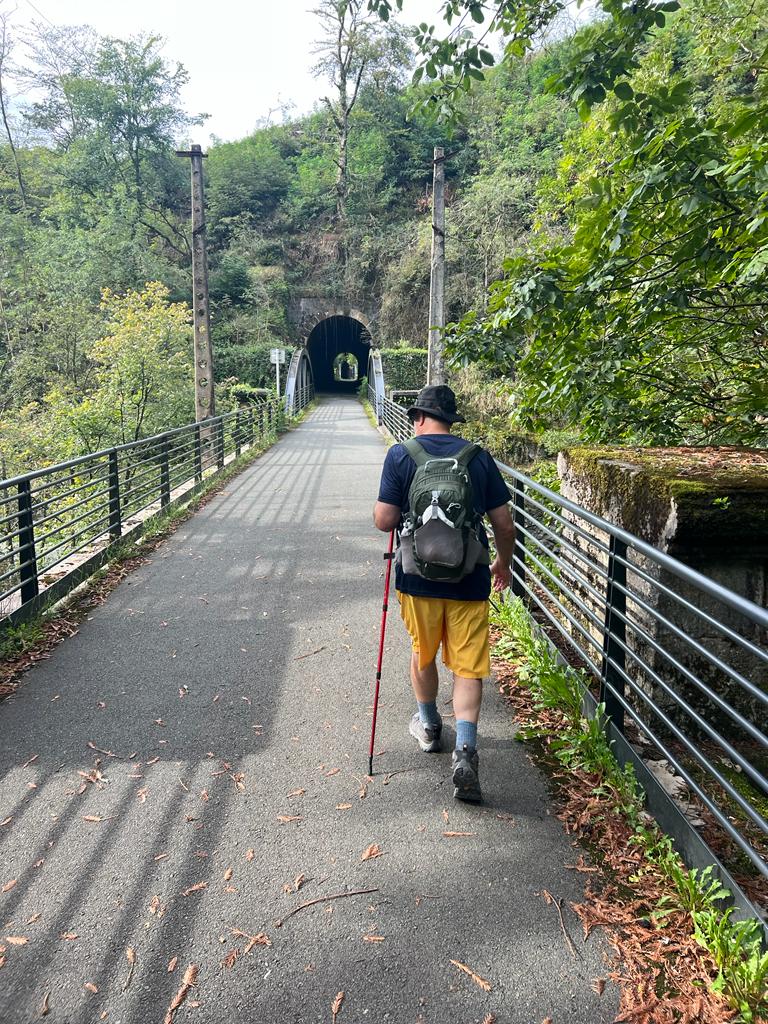
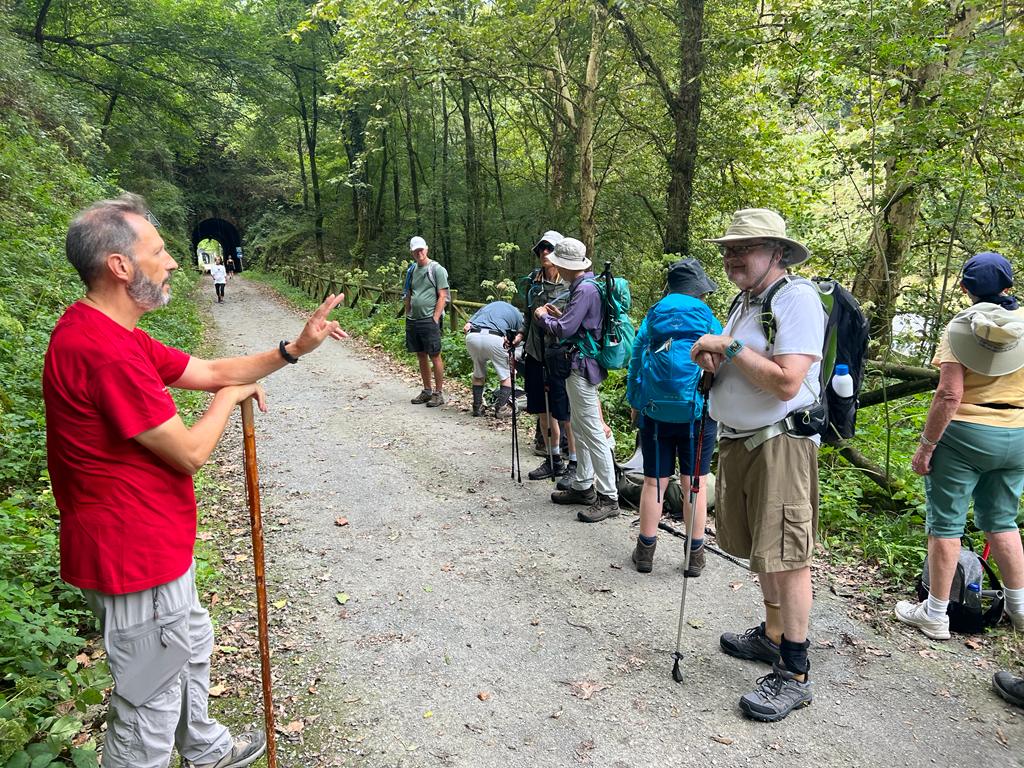
We left Hotel Arrupe and Loyola Sanctuary at 8:15AM and set off on our 20 kilometer walk along the bicycle and walking track that follows the River Urola towards the town of Azkoitia. In Azkoitia we saw the house where Inigo’s mother was born. Much of the day, we followed a disused railway track and passed through many tunnels. The group all managed the walk, which was uphill most of the way.

 Walking with Inigo — The Ignatian Camino