Day 17: Montserrat – Manresa

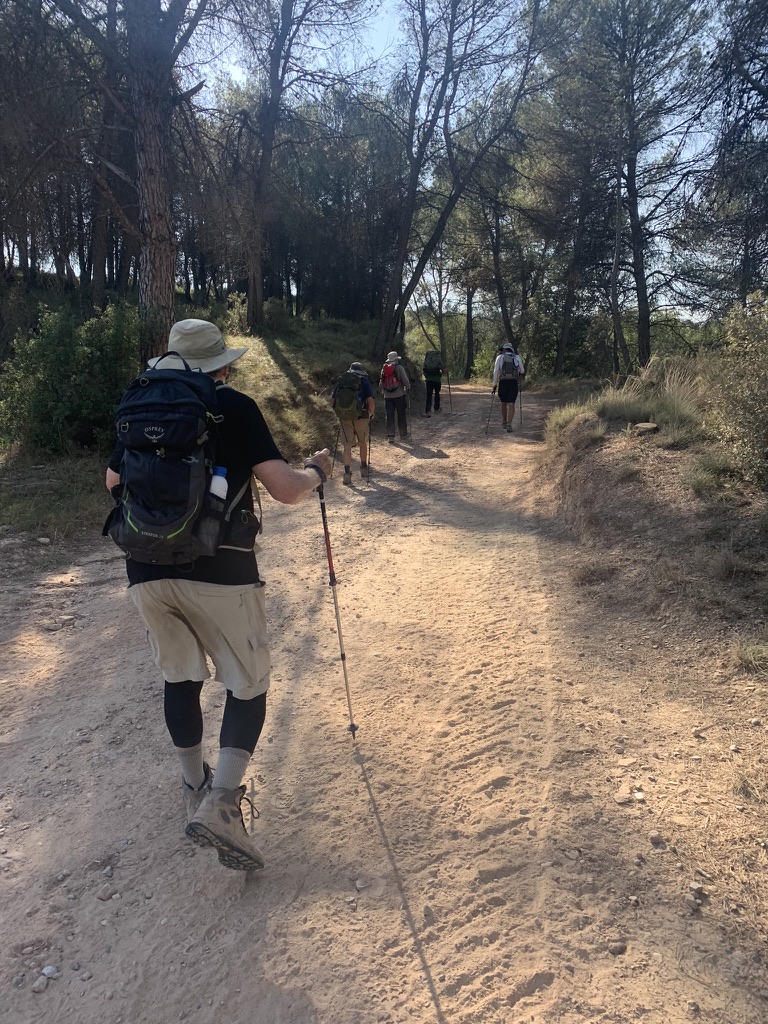
Today was a 25 km walk in 31-degree centigrade weather. We began our day with Mass at 7.00am after which we visited the Black Madonna. The Black Madonna is sometimes referred to as the Virgin of Montserrat. The statue sits behind a sheet of glass. However, one of her hands that is holding a sphere (which symbolizes the universe) is not behind the glass. It is tradition for you to kiss or touch the Virgin’s hand while opening out your other hand to Jesus.

The Black Madonna

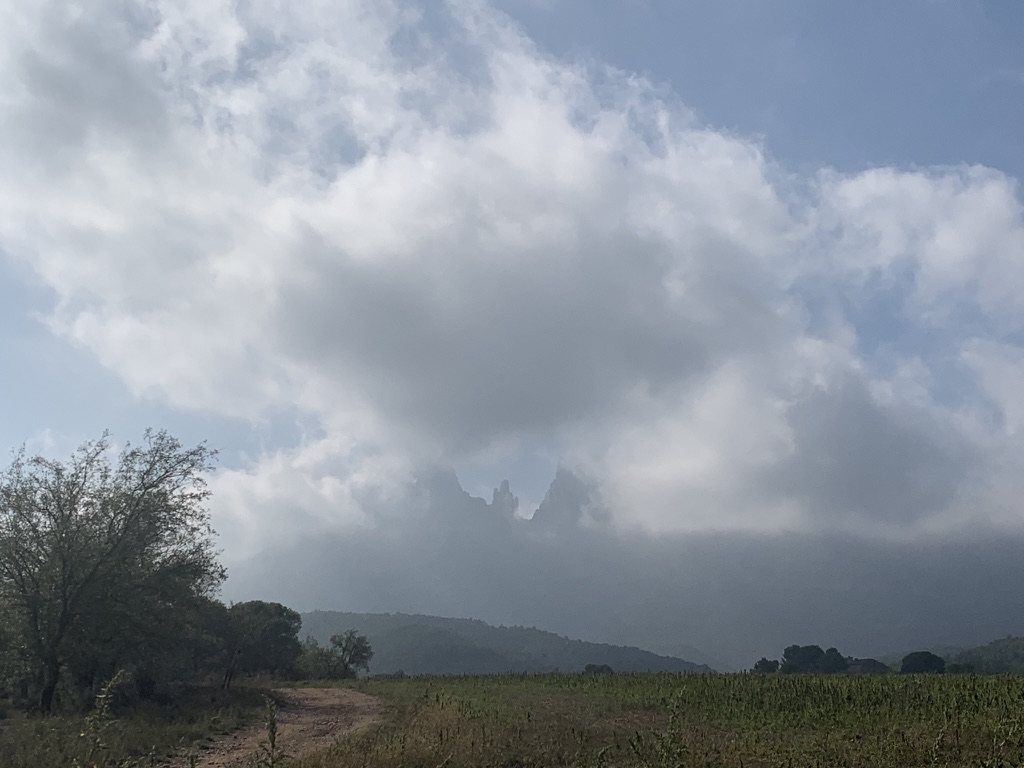
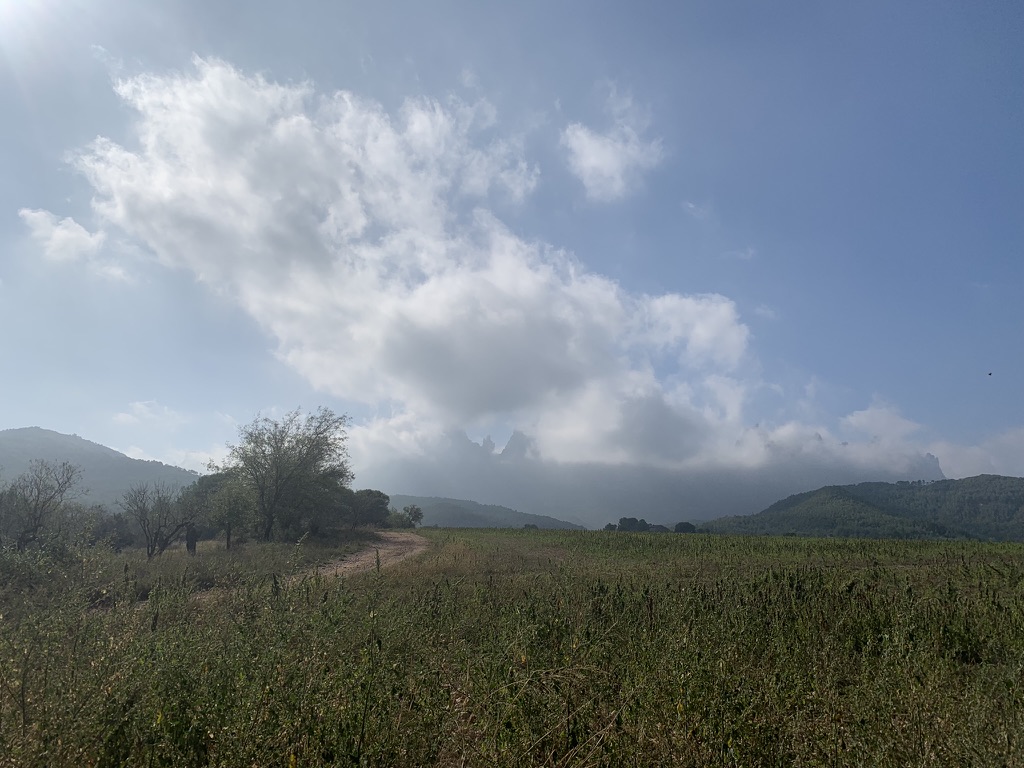
The day started off foggy and cool, and Montserrat was shrouded in fog, but this did not last.

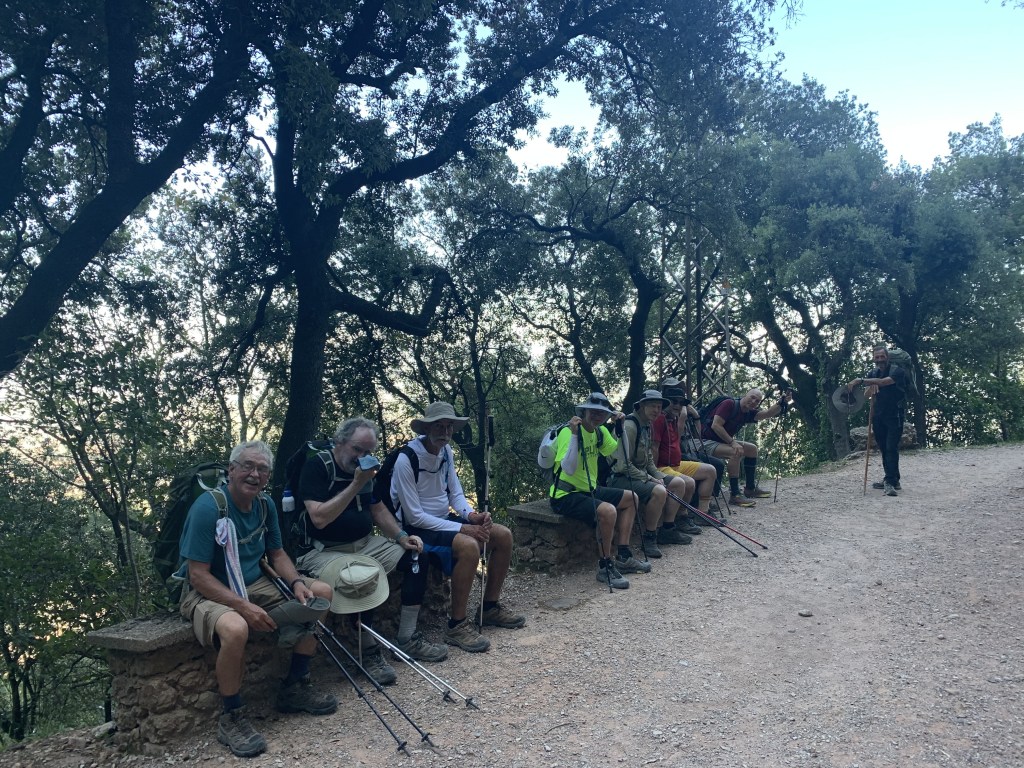
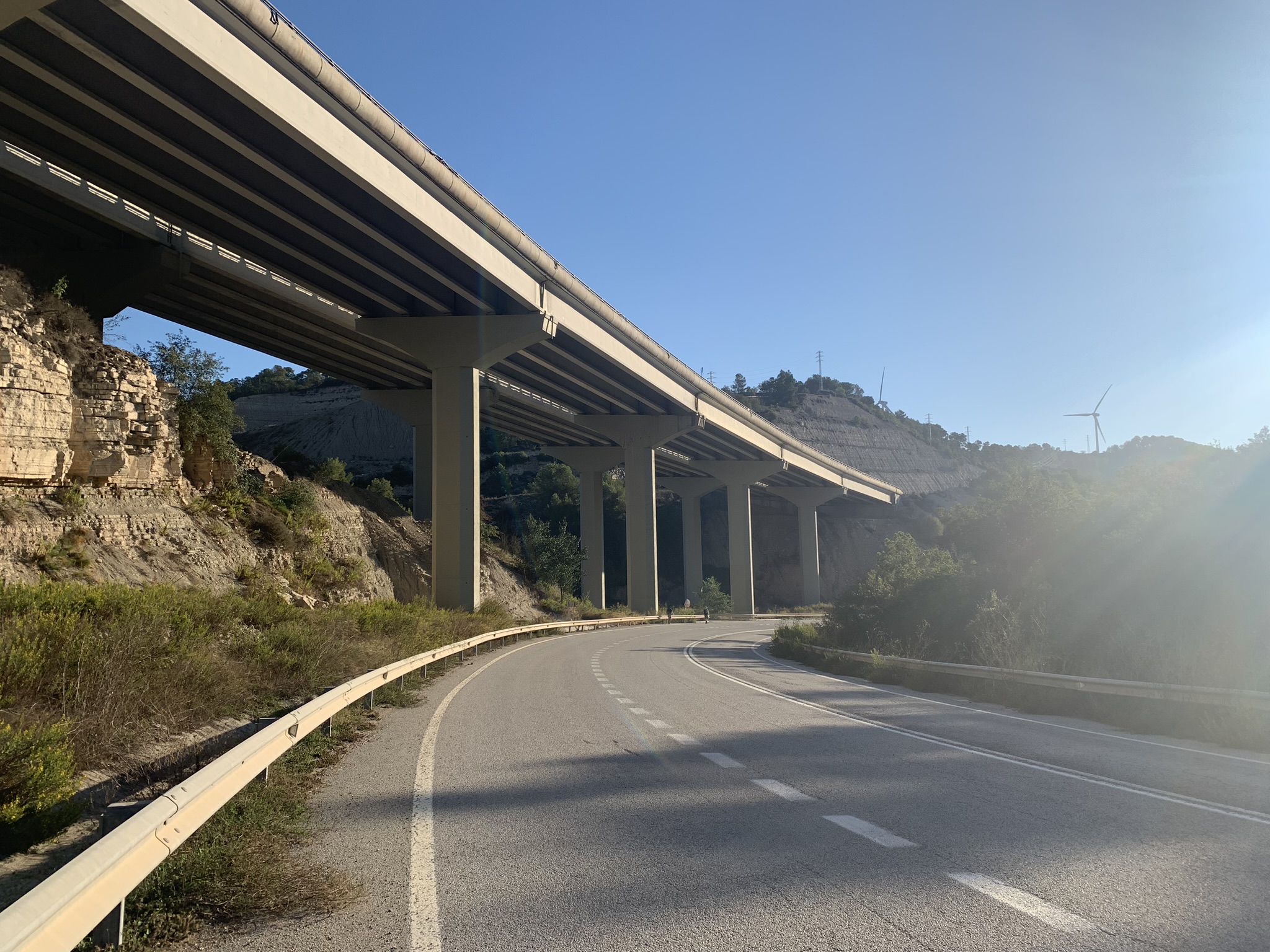
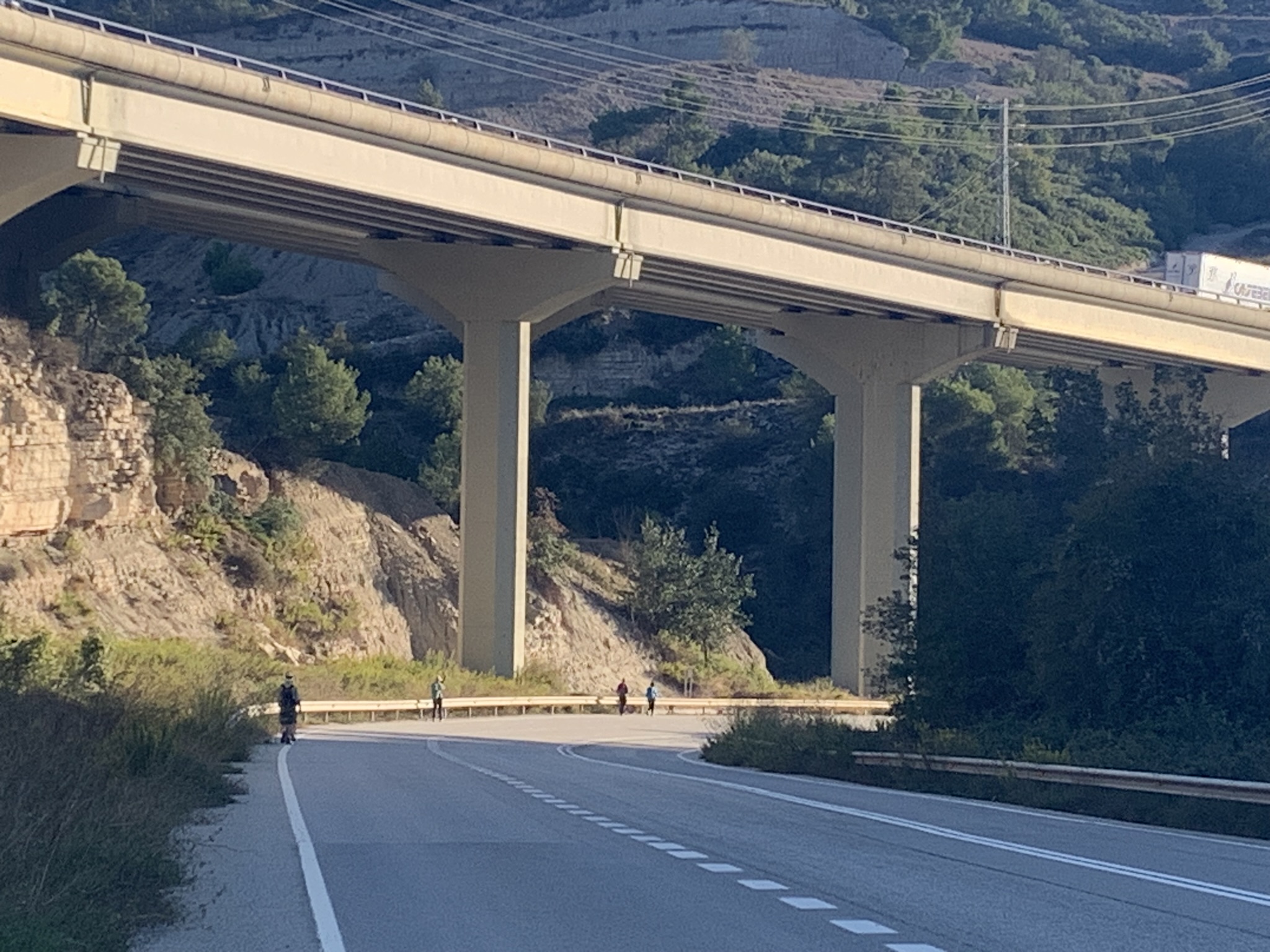
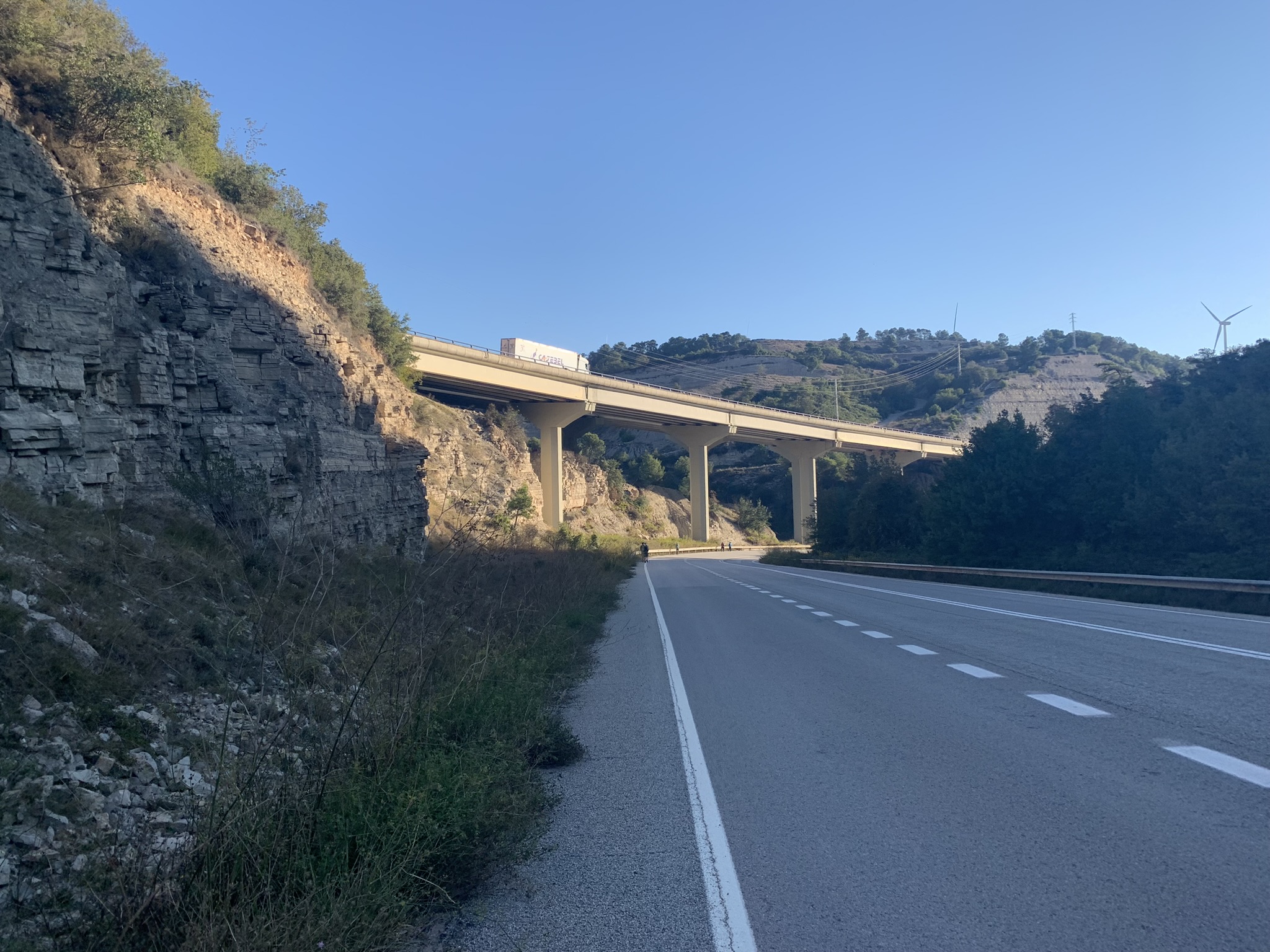
We had to get off the trail…
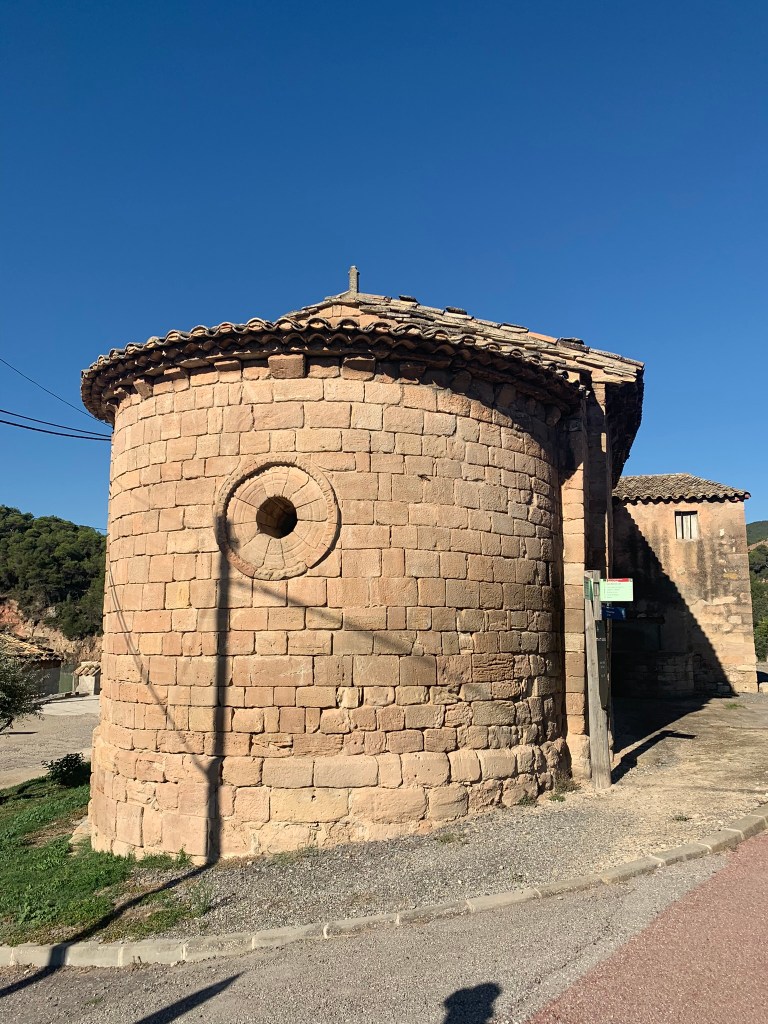
Jim Strickler and I stopped at a memorial to some women religious who were killed here in 1936 during the Spanish Civil War
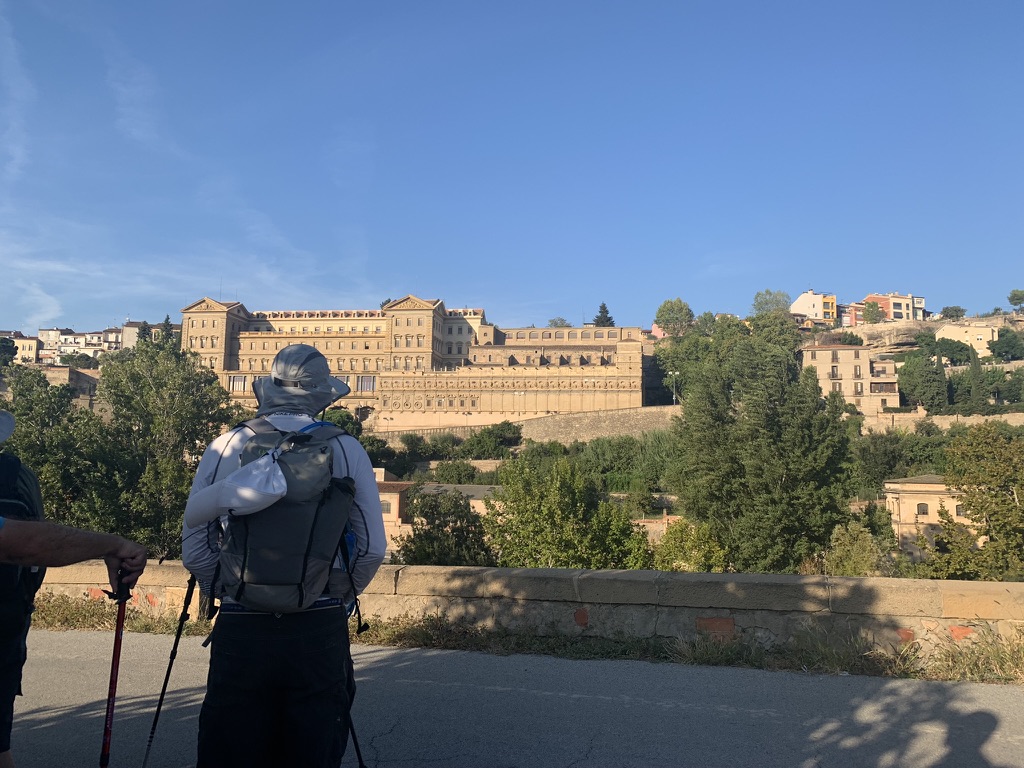
Manresa from the top of the hill overlooking the city

Jesuit and Companion Schools Australia (JACSA) is an educational network which provides a forum to share expertise, resources, and professional development programs, and to engage with formation programs and other experiences that are based on a common and integrated spiritual foundation grounded in Ignatian spirituality and pedagogy.

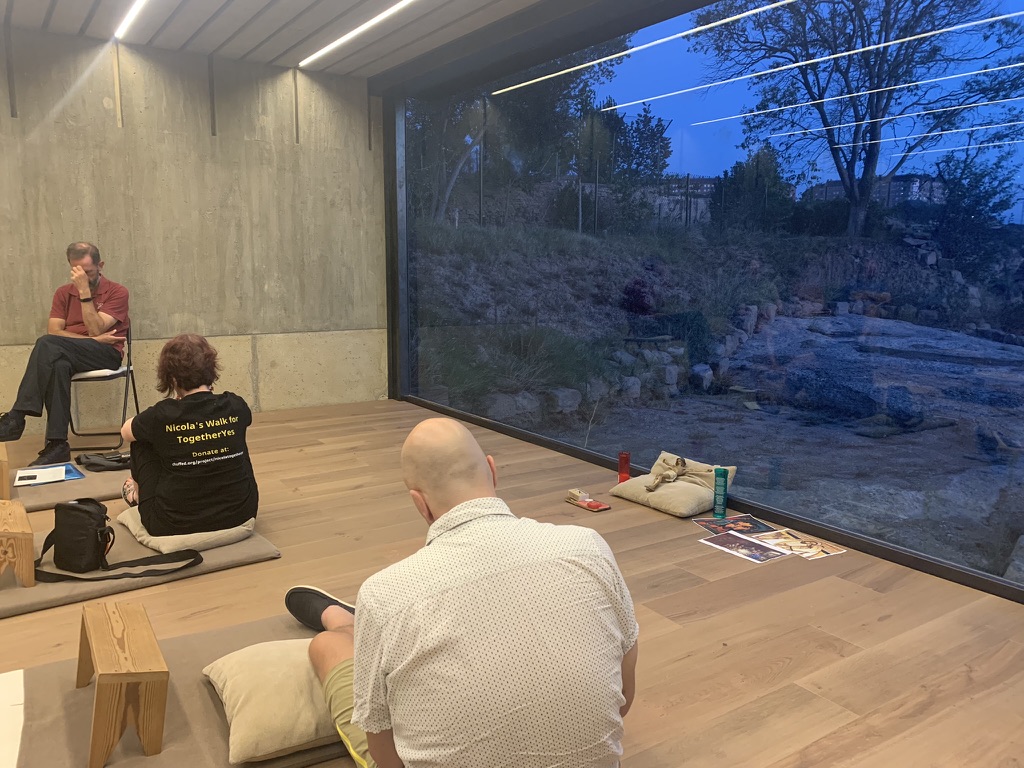
I met up with Fr Nico Lariosa SJ, a member of the Australian Jesuit Province who is in Manresa with a group of teachers from Jesuit and Companion Schools Australia

Contemplation to gain love

NOTE. FIRST, IT IS WELL TO REMARK TWO THINGS:

The first is that love ought to be put more in deeds than in words.

The second, love consists in interchange between the two parties; that is to say in the lover’s giving and communicating to the beloved what he has or out of what he has or can; and so, on the contrary, the beloved to the lover. So that if the one has knowledge, he give to the one who has it not. The same of honors, of riches; and so the one to the other.

[232]   First Prelude. The first Prelude is a composition, which is here to see how I am standing before God our Lord, and of the Angels and of the Saints interceding for me.

[233]   Second Prelude. The second, is to ask for what I want. It will be here to ask for interior knowledge of so great good received, in order that being entirely grateful, I may be able in all to love and serve His Divine Majesty.

[234]   First Point. The First Point is, to bring to memory the benefits received, of Creation, Redemption, and particular gifts, pondering with much feeling how much God our Lord has done for me, and how much He has given me of what He has, and then the same Lord desires to give me Himself as much as He can, according to His Divine ordination.

And with this to reflect on myself, considering with much reason and justice, what I ought on my side to offer and give to His Divine Majesty, that is to say, everything that is mine, and myself with it, as one who makes an offering with much feeling:

Take, Lord, and receive all my liberty, my memory, my intellect, and all my will — all that I have and possess. Thou gavest it to me: to Thee, Lord, I return it! All is Thine, dispose of it according to all Thy will. Give me Thy love and grace, for this is enough for me.

[235]   Second Point. The second is to look at how God dwells in creatures, in the elements, giving them being, in the plants vegetating, in the animals feeling in them, in men giving them to understand: and so in me, giving me being, animating me, giving me sensation and making me to understand] likewise making a temple of me, being created to the likeness and image of His Divine Majesty; reflecting as much on myself in the way which is said in the first Point, or in another which I feel to be better. In the same manner will be done on each Point which follows.

[236]   Third Point. The third is to consider how God works and labors for me in all things created on the face of the earth — that is, behaves like one who labors — as in the heavens, elements, plants, fruits, cattle, etc., giving them being, preserving them, giving them vegetation and sensation, etc. Then to reflect on myself.

[237]   Fourth Point. The fourth, is to look at how all the good things and gifts descend from above, as my poor power from the supreme and infinite power from above; and so justice, goodness, pity, mercy, etc.; as from the sun descend the rays, from the fountain the waters, etc.  Then to finish reflecting on myself, as has been said. I will end with a Colloquy and an Our Father.


The Contemplation for Learning to Love like God[1]

Remember two things about love: First, love is act, not talk; it shows itself in the deed done, not simply in words spoken. Second, love works itself out in mutual sharing, so that the lover always gives to and receives from the beloved—everything: gifts, money, convictions, honors, position.

I begin by asking the Lord God to let me become aware of myself in the divine presence, and I offer myself to God.

Then I use my fantasy. I imagine that I am stand­ing before the throne of God, and all around me I see saints and martyrs, angels and powers and dominions. They all smile at me and seem to recommend me to God the Lord.

Then I ask God for what I want right now. I want to have an intimate understanding of myself and my life as gift, and all my world as gift, so that I will be incandescent with gratitude, and then go beyond that to love the Giver of all this, who loves me vastly in deed and in sharing.

Now, I divide my consideration of all God’s gifts and giving into four parts:

FIRST PART

I just run through my mind all the splen­dors of the created world. I wonder at the vast plains and mountains and the tiny wildflower. I let my mind run among the stars and planets, and then delve into the tiniest atom with its elegant particles and forces. I remem­ber that God has created and does create all humankind, and that God has redeemed and does redeem all peoples. And I remember how much God gives me in all this.

I consider this, and ponder it, letting my heart go out to God. The Lord has done much for me. He lavishes on me life, light, under­standing, desiring, free choice, and the sum­mons to love and to be loved.

Most astonish­ing of all, God plainly wants to and does com­municate God’s Self to me.

   Then I think about my own case, about my own life history and my own self. I am being created by this great Lord to live and function according to gifts coming from God’s Self. How am I to love in return? What makes sense except to do as God does, to give as God gives? What would be right except to offer all that I am and all that I have?

So, I say the prayer below, putting my whole mind and strength into the offering and the petition.

Take, Lord, and receive all my liberty, my memory, my understanding, and my entire will, all that I have and possess. You have given all to me. To You, O Lord, I return it. All is Yours, dispose of it wholly according to Your will. Give me only your love and Your grace, for this is sufficient for me.

SECOND PART

   I look at all the varieties of creatures on the earth and in space and let it come home to me that God continues creating them and dwells within them. Through eons and eons, God faithfully stayed present to each kind of living thing, energizing by the divine presence through all the centuries the genetic codes that opened each phylum to its proper evolution. At this very moment, God gives each order and kind of creature what God can give it: To rocks, weight and solidness and presence. To plants, affinity for light and an inward im­pulse to grow and to mature authentically according to its kind. To animals, sight and smell and feeling, and the enormous range of impulses and instincts that move herds to migrate and butterflies to sip nectar from flowers. All of that God sustains.

   Then I consider and ponder this, that God remains present at every moment to every creature. God stays there always, sustaining existence and life and reflection. For at the core of the core of all creation flames the crea­tive love of God, summoning out of chaos and nothingness all that exists and lives and com­prehends.

   Finally, I think about my own case. I turn to myself and ask what this means to me? God present at my conception. God present at my birth and my growth into infancy. God faithful to me as I came to the use of reason and to freedom. God loyal to me who com­mitted myself to be a soldier of Christ, and through my other permanent commitments. All along, the energies of God rising through mine, through digestion and gesture and muscle growth and seeing and interpreting. God the ground of my being. God the core of myself.

So I wonder what I ought to do and offer to God, now. And I say with all my heart the prayer below.

Take, Lord, and receive all my liberty, my memory, my understanding, and my entire will, all that I have and possess. You have given all to me. To You, O Lord, I return it. All is Yours, dispose of it wholly according to Your will. Give me only your love and Your grace, for this is sufficient for me.

THIRD PART

I consider that God—to use St. Peter’s words—works busily in all creation. I use a metaphor here, of course, but I can see that if God attends to each and every creature and keeps shaping instincts and consciences and raising the energies that form our weather and our interactions, then I make a lot of sense when I say that God works busily. I let my mind run through all created things: the far reaches of space, our own galaxy, the globe of the earth, imagining how God labors to keep their magnificent order and functioning. Then I enter into living things, perhaps into individ­ual birds or animals and individual persons, imagining how God keeps nerves crackling and bone marrow producing blood, and the like. I might consider a tiny little bug or flower, and imagine how many other living and nonliving things conspired to bring it to life and sustain it.

I consider this and ponder it, letting my heart go out to God. How great God is! How full of life, and how eager to have others exist, particularly other rational creatures. God labors and hopes and keeps sustaining us even when we destroy.

Then I think about my own case, about my own life history and my own self. How did God have to labor to keep me alive? to keep me growing and learning and believing and hoping? Were there no times when I realized that God was working in me? for me?

So, I say the prayer below, putting my whole mind and strength into the offering and the petition.

Take, Lord, and receive all my liberty, my memory, my understanding, and my entire will, all that I have and possess. You have given all to me. To You, O Lord, I return it. All is Yours, dispose of it wholly according to Your will. Give me only your love and Your grace, for this is sufficient for me.

FOURTH PART

I consider that all the good that I see and know comes to be as a share in the divine good. That is, all power echoes the divine power whose action elicited it from chaos. All beauty mirrors the divine beauty and comes from it in the first place the way an image in a mirror comes from the Origin. All holiness on earth is the fragrance of God present in and with all of us. And so through justice, good­ness, mercy, understanding, compassion.

Then I consider this, and ponder it, letting my heart go out to God who pours out His own Self and all His infinity of gifts.

And I think about my own case, about how my own gifts are a share, an effulgence, of God my Creator and Lord. I am like a mirror reflecting the sun. I am like a leaf’s chloro­phyll, moving excitedly and warmly with the sun’s excited and warm light.

All that I am and all that I have are a par­ticipation in God.

So, I say the prayer below, putting my whole mind and strength into the offering and the peti­tion.

Take, Lord, and receive all my liberty, my memory, my understanding, and my entire will, all that I have and possess. You have given all to me. To You, O Lord, I return it. All is Yours, dispose of it wholly according to Your will. Give me only your love and Your grace, for this is sufficient for me.


[1] Tetlow, Joseph. Choosing Christ in the World: A Handbook for Directing the Spiritual Exercises of St Ignatius Loyola According to Annotations Eighteen and Nineteen, St. Louis: Institute of Jesuit Sources, 2000.

Day 16: Igualada – Montserrat

Today we walked from Igualada to Montserrat, which is the second to last day of our Ignatian Camino. It was a tough walk but we managed it.

We left the pilgrim hostel at 7:30 am.
It was still dark when we started walking.
Montserrat is spectacular
Stopping for a break
Jim Strickler looking at an icon of Mary on the side of the trail
The view from the trail up to Montserrat
The view from the place where we stopped for lunch
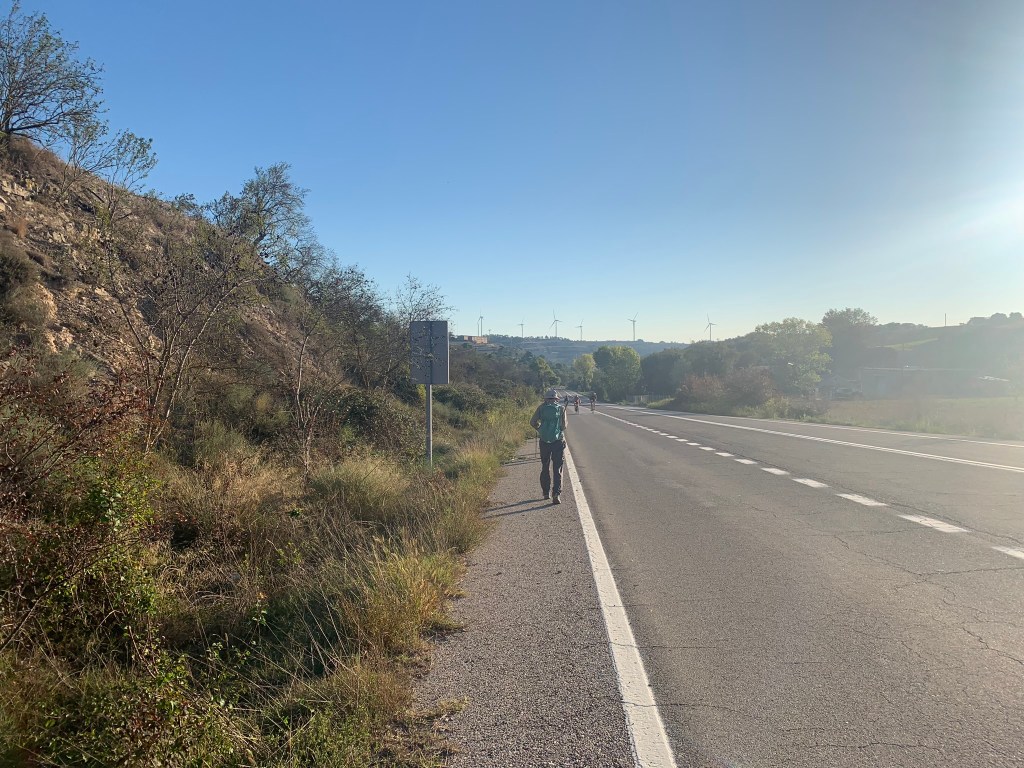
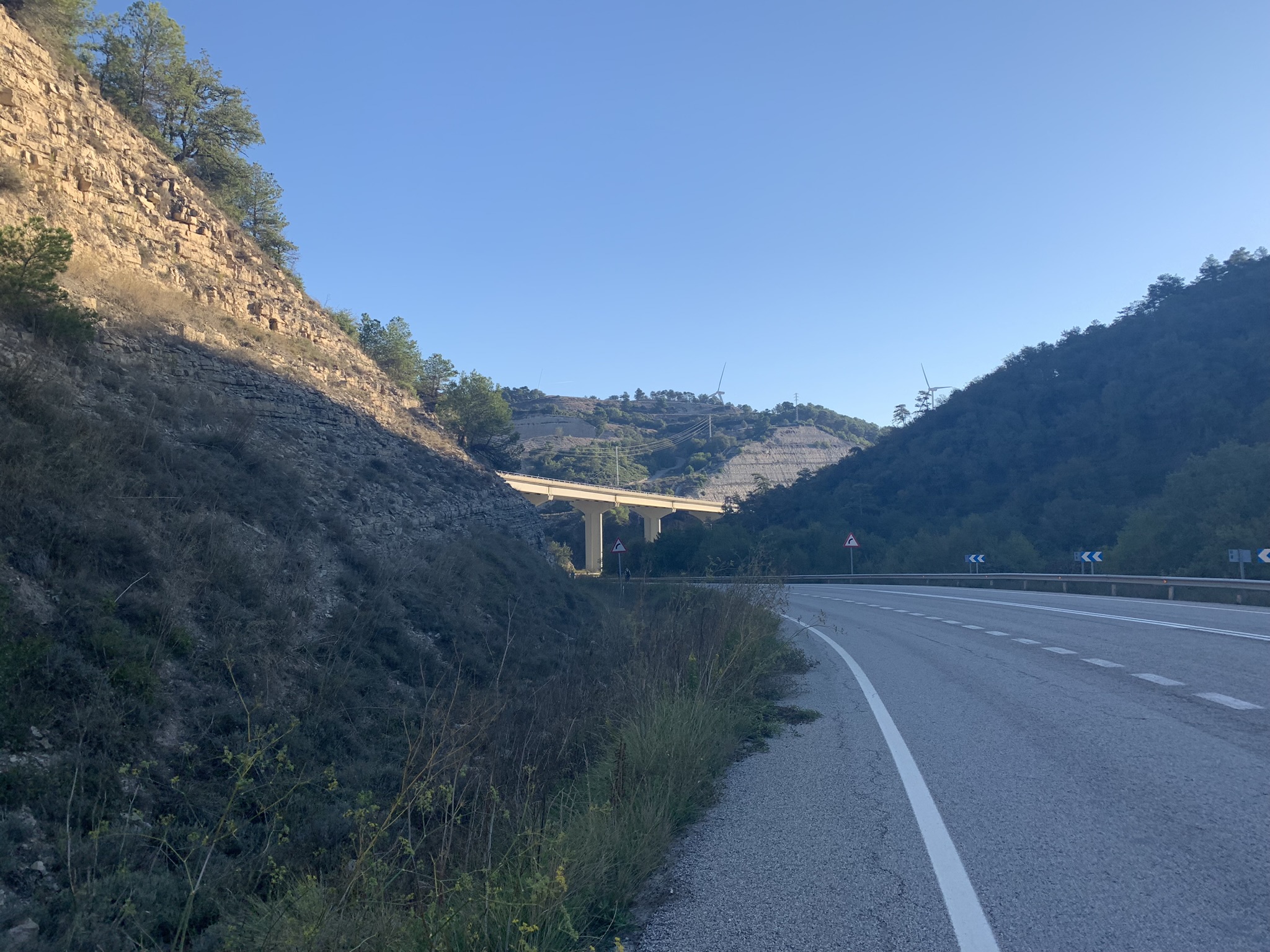
For much of the day, we were walking along busy roads

The seven last sayings of Jesus

Preparatory Prayer

In the preparatory prayer, I will beg God our Lord for grace that my entire being may be directed purely to the praise and service of God.  

The grace that I seek

Here it will be to ask for sorrow, compassion, and shame because the Lord is going to His suffering for my sins.

Scripture passages

  • “Father, forgive them; for they do not know what they are doing.” (Luke 23:34)
  • Then he (one of the criminals crucified with Jesus) said, “Jesus, remember me when you come into your kingdom.” He replied, “Truly I tell you, today you will be with me in Paradise.” (Luke 23:42-43).
  • And about the ninth hour, Jesus cried out in a loud voice, “Eloi, Eloi, lema sabachthani?” which means, “My God, my God, why have you forsaken me?” (Matthew 27:46).
  • Standing near the cross of Jesus were his mother, and his mother’s sister, Mary the wife of Clopas, and Mary Magdalene. When Jesus saw his mother and the disciple whom he loved standing beside her, he said to his mother, “Woman, here is your son.” Then he said to the disciple, “Here is your mother.” And from that hour the disciple took her into his own home (John 19:25-27).
  • Then Jesus, crying with a loud voice, said, “Father, into your hands I commend my spirit” (Luke 23:46).
  • After this, when Jesus knew that all was now finished, he said (in order to fulfill the Scripture), “I am thirsty.” A jar full of sour wine was standing there. So, they put a sponge full of the wine on a branch of hyssop and held it to his mouth (John 19:28-29).
  • When Jesus had received the wine, he said, “It is finished.” Then he bowed his head and gave up his spirit (John 19:30).

Personal reflection

Imagine you are at Calvary, and you hear Jesus say one of those phrases, for instance, “My God, my God, why have you forsaken me?” Let the words resound in your whole being. Listen deeply to the words. Let them challenge you, awaken you, and provoke you to respond. When you can no longer hold back your response say to Jesus what is in your heart.

Seeing Life in Perspective[1]

Introduction

AT FIRST GLANCE THIS EXERCISE, in which you imagine yourself on your deathbed, seems morbid. But it can also be clarifying. When you imagine yourself dying and ask: “What should I have done?” you begin to see why it is so effective. Sometimes, we make a choice that is easier now but which we know we will regret in the long term. The old saying that no one on his deathbed ever said, “I wish I had spent more time at the office,” captures some of this insight.

Scripture

“Lord, remind me how brief my time on earth will be. Remind me that my days are numbered—how fleeting my life is” (Psalm 39:4).

Exercise

Imagine that you are dying… You are bedridden…  Where are you?… Take a good look at your surroundings… What kind of a life are you leading now?…  How do you spend your day?…

Imagine it is evening and you are left alone…  How do you feel about the fact that you do not have much longer to live?…  that you can no longer be active?…

In the solitude that is now yours look back on your life…  Recall some happy moments…

Recall some of the sad moments…  What do you feel now as you look back on them from the perspective of death?…

Recall some of the important decisions that you made, decisions that affected your life or the lives of others.  Are you pleased or sorry you made them?… Are there decisions you feel you ought to have made and did not?…

Spend some time now remembering the significant people in your life…  What faces come most readily to your mind?… What do you feel as you think of each of these persons?…

If you had to give just one piece of advice to your friends or say just one sentence to them in farewell what would you say?…

After a while turn to Christ.  Imagine him standing at your bedside and speak to him…


[1] Anthony de Mello, Sadhana— a way to God.  

Day 15: La Panadella – Jorba – Igualada

We left La Panadella before 9.00am and walked for 16 km to Jorba where we had Mass and lunch in a pilgrim hostel run by the local parish priest (a chef for many years before he became a priest, and the food provided was excellent). After Mass and lunch, we walked another 7 km to Igualada, population 38,918.

Much of the way today was along highways
However, there was some greenery along the way

As we were walking, some of us were keeping tabs on the Australian Football League Grand Final between Collingwood and Brisbane at the Melbourne Cricket Ground. Collingwood won by four points, much to the delight of Peter Davine who follows Collingwood. When we had our first break, some of us sang the Collingwood theme song:

Collingwood’s win in the Grand Final was celebrated on the Ignatian Camino
Our guide, Josep Lluis Iriberri SJ, said Mass for us at the pilgrim hostel
After mass, we had an excellent lunch. (L-R) Joe Napolitano, Paul, Walczyk, Nicola Reynolds, Katherine Stewart, John Egner, Bob Foley, Paddy Mugavin, Michael Smith, Peter Davine, Jim Strickler, and Don Stewart.
As we left Jorba, we had our first view of Montserrat in the distance
As we walked closer to Igualada, Montserrat began to loom. We will be at the Benedictine monastery there by tomorrow afternoon.
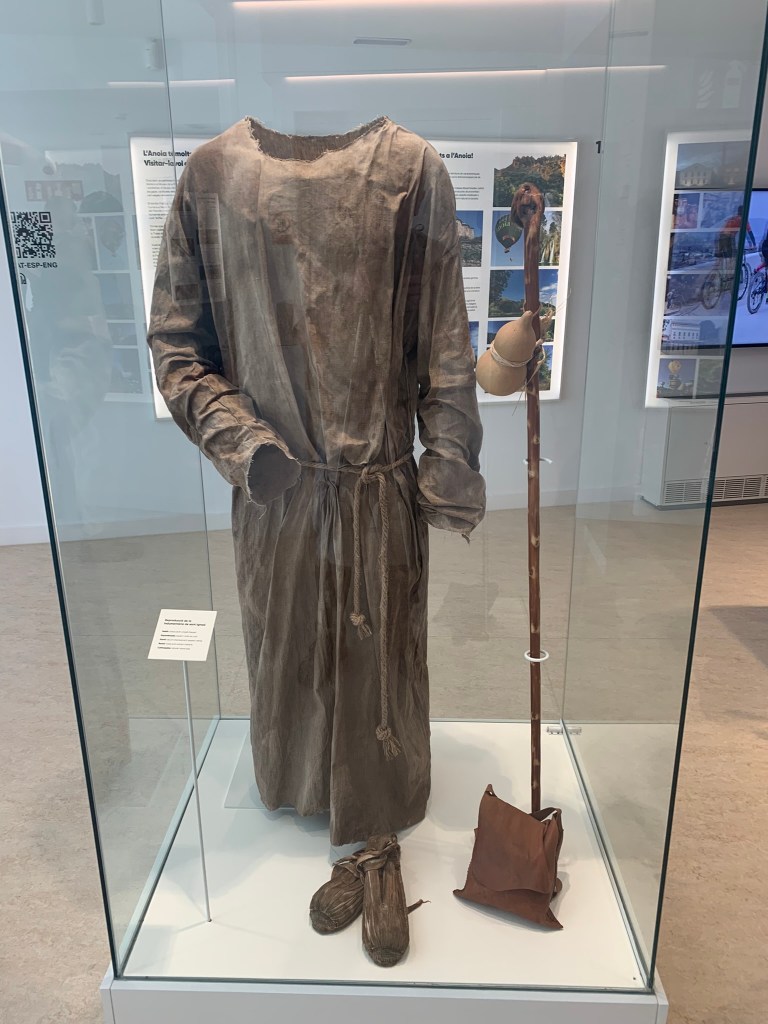
The group is staying in a brand-new pilgrim hostel which has excellent facilities. They even have a display of the sort of clothing that Saint Ignatius would have worn as a pilgrim.

What are my personal projects?

IT IS SAID THAT THERE ARE TWO DRIVING FORCES BEHIND THE PERSON known as “you”:

nature and nurture

Some argue that our genetics determine our behavior. Our personality traits and abilities are in our nature. Others argue that our environment, upbringing, and life experiences determine our behavior. But, according to the Canadian personality psychologist Brian R. Little, there’s a third driving force that shapes our personality:

our projects.

For example:

Occupational/Work:Make sure the department budget is done
Interpersonal:Have dinner with my friend
Maintenance:Get a cartridge for my printer
Recreational:Take cruising holiday
Health/Body:Lose ten kilograms
Intrapersonal:Try to deal with my sadness

Our projects shape our personalities. Human flourishing is contingent upon the sustainable pursuit of core projects.

“Human well-being is contingent upon well-doing.”

Your projects provide shape and content to your life. They shape your life by creating commitments that provide direction and coherence.

What you do affects who you are

  • Personal projects are about the future — they point us forward, they guide us.
  • By tracing their route, we can map the most intimate of terrains — ourselves.
  • We can learn to adjust our trajectories, riding over the rough patches and extending the smooth stretches to make our endeavors more effective.
  • Projects help define us by shaping our capacity for a flourishing life.
  • As your projects go, so goes your life.

Analyzing your personal projects may also help you to discern your God-given Name of Grace. Personal projects are constituent elements of our daily lives. They can range from the seemingly inconsequential acts (for example, ‘Take the dog for a walk,’ ‘Get a haircut’) to the overarching commitments of our lives (for example, ‘Accompany my mother on her journey through Alzheimer’s,’ ‘Found an organization to reach out to Sudanese refugee families’).

Personal projects can be formally defined as “extended sets of personally salient action in context”. Each term can be delineated as follows:

  • Extended: A project is not a momentary act, but typically a sequence that is extended in space and time (minutes, hours, days, or years).
  • Set: A project encompasses a series of actions that are considered interrelated by the project pursuer.
  • Personally salient: A project is a noteworthy aspect of the life of the person who pursues it, and can be defined as such only by that person.
  • Action: A project is not a passive response to external forces but an intentional sequence of behavior involving cognitive, affective, conative[1], and volitional processes.
  • In context: A project is enacted in physical, social, cultural, and temporal contexts that can facilitate or thwart project pursuit.[2]

You will experience more well-being if your projects are more meaningful, manageable, positively connected with others, and associated with more positive affect relative to negative affect.

All of us have a number of personal projects at any given time that we think about, plan for, carry out, and sometimes (though not always) complete. Some projects may be focused on achievement (“Get my arts degree”) others on the process (“Enjoy a night out with friends”); they may be things we choose to do or things we have to do; they may be things we are working towards. Projects may be related to any aspect of your daily life, your family, leisure and community, and others. Please think of projects in this broad way.

Some examples of personal projects

Cut down on junk foodCook banana bread
Play with my catWrite a book
Organise my roomBuild a team
Work to build communityPaint a portrait
Clarify my religious beliefsBecome a good public speaker
Get a gym membershipGrow in confidence
Go to Europe next summerWrite and direct a play
Walk the CaminoRead The Gulag Archipelago
Learn to SCUBA diveUnderstand postmodernism
Understand my sister betterRead a journal article on a subject each day
Become fluent in SpanishStart a youth group
Manage my financesGo to the opera
Encourage othersRenew my membership of Carlton FC
Learn how to self-careBuy a car
Have a medical check-upGrow in my capacity to listen

Our personal projects and God’s Project in our world

GOD, THE CREATOR OF THE UNIVERSE, CONTINUES TO ACT IN THE UNIVERSE. For Saint Ignatius of Loyola God was Deus operarius, “God the worker” who is continually at work in the world. We can think of the Universe as the one action of God the Creator, and ourselves as created agents who have the freedom to determine the future by our decisions and actions. So, our intentions need to be in harmony with God’s intentions. God’s intention, it seems, is that all human beings live as brothers and sisters in a community of faith, hope, and love, united with Jesus as sons and daughters of God our Father, and in harmony with the whole created universe.

We need to discern the mystery of God at work in the world through prayer, reflection, and contemplation. Ignatian spirituality is apostolic, which means that

“Our contemplation of the Gospel is incomplete until the graces we receive in prayer are incarnated (made real) in history. Ignatian spirituality is taking our graces, our inspirations, and our holy desires to serve God, and transforming them into action in everyday life.”

In an apostolic spirituality, all the particular spiritual practices I engage in are for the sake of uniting me to God as the one who is engaged in a tremendous project in our world, who is laboring that it be transformed and brought into final union with the divine. All the projects and practices of an apostolic person seek to unite the person to God’s project, the reign of God. This is the profound dream and desire God yearns to realize in the world and beyond it, but not without our creative cooperation.[3]

Here is a way of reflecting on your personal projects

  1. Take 10-15 minutes and write down as many personal projects and activities you can that you are currently engaged in or considering — remember these need not be formal projects or even important ones — make sure you include the everyday kinds of activities or concerns that characterize your life at present.
  2. Now select 10 projects from your list that you feel are important to you or typical of your life and copy them onto the matrix on page 26. If you have many more than 10 such projects, choose those that you expect to be actively working on in the next couple of months.
  3. Once you have written in all 10 projects you may begin to reflect on them.
    1. What do you think about what you are doing?
    1. How do you feel about what you are doing?
    1. To what extent is each project consistent with the values that guide your life?
    1. To what extent do you become engrossed or deeply involved in each project?
  4. Identity. All of us have things we do that we feel are typical or truly expressive of us. These things can be thought of as our “trademarks”. For example, some people engage in sports every chance they get, others prefer to read, others prefer to socialize. Think of what your own personal “trademarks” are, and then rate each project on the extent to which it is typical of you.

Longer-term projects

Some personal projects exist in isolation, but most are usually undertaken as a part of a larger, longer-term goal. On the next page, you will see a series of bank columns. In the first column please write down your ten most important projects. For each project ask yourself: “What longer-term or larger-scale project (or goal) is this project a part of?” or simply “Why am I working on this project?” For example, if one of your initial projects was “Work to build community”, you might ask yourself what larger project will building community help you with (or why do you want to build community)? You might decide it is linked to the bigger project such as “reach out, as a community, to the homeless in our area”.

When you have decided which larger project(s) your initial project is related to, note it (or them) down in the blank areas in the next column (to the right) that are joined by arrows to the original project. If there is only one longer-term project related to your initial project, leave the other lines blank. You may also decide there is no larger project connected with your initial project, in which case go on to project 2. For example, if your initial project was “Be a better father”, you might decide that it does not relate to any larger project, but stands on its own.

Next look at the one or two higher-order projects you have written out in column 2 and for each of these, ask yourself the same question: “What longer-term or larger-scale project (or goal) is this project a part of?”

For example: If your first project was “Work to build community” and the higher order project was “to reach out, as a community, to the homeless in our area”, you would now ask yourself: “Why do I want to reach out to the homeless?” And the answer might be, “To help homeless people to recognize their inherent dignity” and ultimately, “To work with God to bring about his Kingdom”. For each of the projects in the second column decide on whether there is a larger goal associated with that project and then write it in the appropriate space in the column to the right. Once you have completed this column, continue until you find that you have reached the highest-order (longest-term, largest-scale) project associated with your original project #1.

For example: An original project of “Pass my Canon Law unit” could possibly be related to a series of larger projects:

Personal projectColumn 2Column 3        Column 4Column 5
Work to build communityTo reach out, as a community, to the homeless in our areaTo help homeless people to recognize their inherent dignityBring the Good News to the poorWork with God to bring about God’s Kingdom
Learn to SCUBA diveTo challenge myselfMeet a different group of peopleExplore the sea and photograph different animalsGrow in awe and wonder at the beauty of God’s creation
Understand postmodernism  Comprehend the context in which young people liveLearn new ways of evangelisation in a post-Christian worldBring the Good News to peopleLearn new ways of evangelization in a post-Christian world

Table 5: What larger-scale project is each of my personal projects a part of?

  Personal project  Column 2    Column 3  Column 4


[1] Endeavour and striving.

[2] Little, B, & Coulombe, S. “Personal Projects”. International Encyclopedia of the Social & Behavioral Sciences, 2nd edition, Volume 17, p. 757. http://dx.doi.org/10.1016/B978-0-08-097086-8.26100-X

[3] Brian O. McDermott. “What Is Apostolic Spirituality?” America Magazine, November 11, 2002.

Day 14: Cervera – La Panadella

Today we had a shorter walk — 15 km — from Cervera to a truck stop called La Panadella which has an excellent hotel and an even better menu.

The view from Cervera. We gathered here to begin our reflections for the day.
Walking down from Cervera
Looking back at Cervera. (L-R) Peter Davine, Paddy Mugavin, Don Stewart, and Jim Strickler
Walking under a bridge
The land is very dry

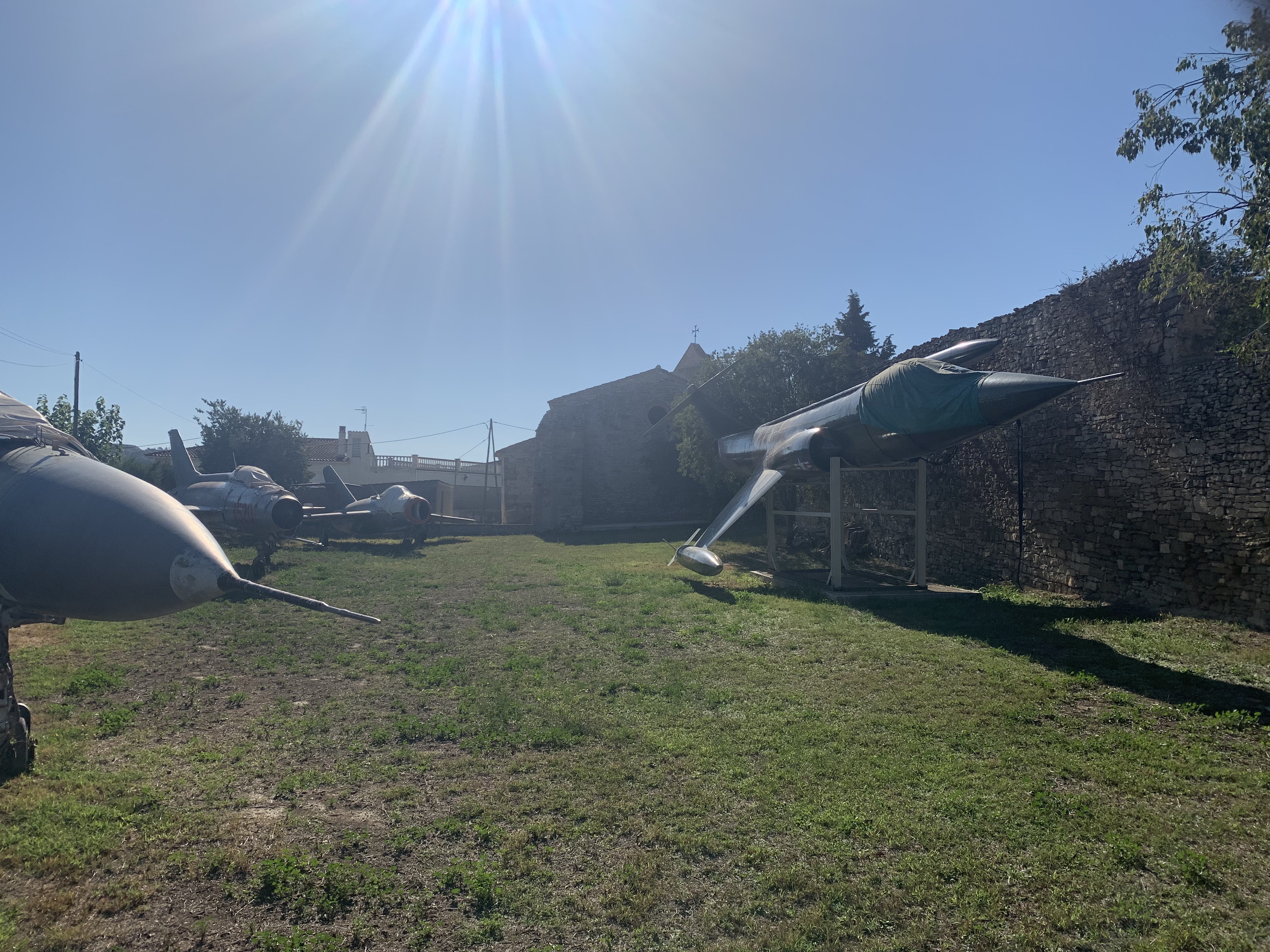
In one farmer’s backyard, there are three Soviet-era fighter jets and a U.S. Lockheed Starfighter

We stopped for a coffee before the final hour-and-a-half walk to La Panadella
Fr Josep Lluis Iriberri SJ and Fr Paddy Mugavin after their arrival at La Panadella

The woman with the haemorrhage

REMEMBER YOU ARE IN THE PRESENCE OF GOD

Before reaching the place chosen for the meditation, pause for a moment and put yourself in the presence of God: make an interior act of adoration and an exterior one as well, if possible.

PREPARATORY PRAYER

In the preparatory prayer I will beg God our Lord for grace that all my intentions, actions and operations may be directed purely to the praise and service of His Divine Majesty. Then I do the following:

FIRST PRELUDE. This is the history of the mystery: A very sick woman touched Jesus and was healed.

SECOND PRELUDE. This is a mental representation of the place: A crowded outdoor setting.

THIRD PRELUDE. The third, to ask for what I want: it will be to ask for interior knowledge of the Lord, that I may more love him and follow him.

Now there was a woman who had suffered from a haemorrhage for twelve years; after long and painful treatment under various doctors, she had spent all she had without being any the better for it, in fact she was getting worse. She had heard about Jesus, and she came up behind him through the crowd and touched his cloak. “If I can touch even his clothes,” she had told herself, “I shall be well again”. And the source of the bleeding dried up instantly, and she felt in herself that she was cured of her complaint. Immediately aware that power had gone out from him, Jesus turned around in the crowd and said, “Who touched my clothes?” His disciples said to him, “You see how the crowd is pressing around you and yet you say, ‘Who touched me?’ ” But he continued to look around to see who had done it. Then the woman came forward, frightened and trembling because she knew what had happened to her, and she fell at his feet and told him the whole truth. “My daughter,” he said, “your faith has restored you to health; go in peace and be free from your complaint” (Mk 5:25-34).

FIRST POINT. This will consist in seeing the persons. Maybe I will make myself the woman in the story. Then I will reflect on myself that I may reap some fruit.

SECOND POINT. This is to consider, observe, and contemplate what the persons are saying, and then to reflect on myself and draw some fruit from it.

THIRD POINT. This will be to see and consider what they are doing.

COLLOQUY. The exercise should be closed with a colloquy. I will think over what I ought to say to the Three Divine Persons, or to the eternal Word incarnate, or to His Mother, our Lady. According to the light that I have received, I will beg for grace to follow and imitate more closely our Lord, who has just become man for me.

Close with an Our Father.